1 daysprivate
1-Day Ngutuni Sanctuary with Lunch
Highlights
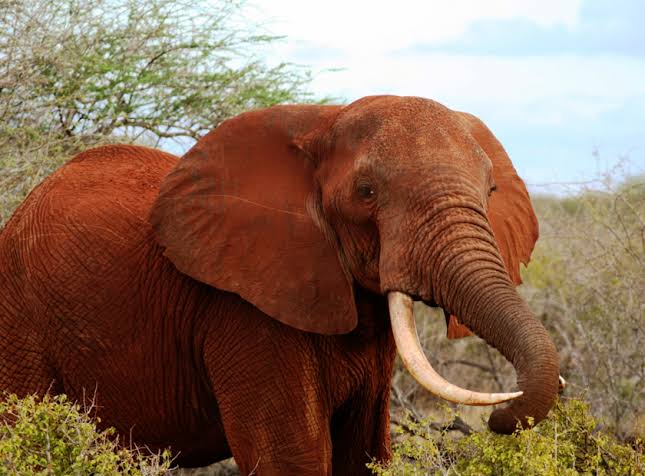
- Herds of Red elephants
- Fulfilling Game drives
Loading SafariFind...
Ngutuni sanctuary Daytrip
Ngutuni Wildlife Conservancy
Meals: Lunch
Year Round
Year-round
| Season | 2 people |
|---|---|
Year Round Year-round | $330 |
Ngutuni Sanctuary is renowned for its diverse wildlife, particularly its distinctive red-soiled elephants that are iconic to the region. You'll also encounter lions, giraffes, and an abundance of birdlife throughout the reserve. The sanctuary's location bordering Tsavo East National Park means it benefits from rich ecosystem diversity, making it an excellent destination for wildlife viewing despite its compact size. The variety of species makes it ideal for photography and nature observation.
Yes, Ngutuni Sanctuary is specifically ideal for a one-day safari experience from coastal areas. Its private reserve location and compact size mean you can enjoy a full day of wildlife encounters without the lengthy travel times required for deeper parks like Tsavo East. This makes it perfect if you have limited time but still want authentic safari experiences, rich wildlife viewing, and quality game drives without spending excessive hours in transit.
A full-day safari at Ngutuni Sanctuary provides a complete wildlife experience from morning through afternoon, allowing sufficient time for multiple game drives and wildlife observation. The duration is optimized for travelers based near the coast who want a meaningful safari adventure without multi-day commitments. This timeframe allows your professional guide to take you through the sanctuary's best viewing areas and maximize your chances of encountering the reserve's signature wildlife.
A comprehensive one-day safari typically includes all park entrance fees, so there are no surprise costs at the gate. You'll have a professional English-speaking guide who provides expert knowledge about the wildlife and ecosystem. Bottled water is provided throughout your game drives to keep you refreshed, and lunch is included to fuel your adventure. You'll travel in a private safari van, which offers comfort, flexibility, and better wildlife viewing opportunities compared to shared vehicles. This all-inclusive approach means you can focus entirely on the experience.
While travel insurance is not included in safari packages, it's highly recommended for any international travel. Comprehensive travel insurance should cover medical emergencies, trip cancellations, evacuation, and personal belongings. Given that safaris involve travel to remote areas, having proper coverage provides peace of mind. Check that your policy covers adventure activities and medical treatment in Kenya. Contact your insurance provider or travel agent to ensure you have appropriate coverage before your safari.
Pack neutral-colored, lightweight clothing suitable for warm days and cool mornings—khaki, tan, and olive green are ideal for wildlife photography and blending into the environment. Bring a wide-brimmed hat, sunglasses, and high-SPF sunscreen for sun protection. Wear closed-toe hiking boots or sturdy walking shoes for comfort during game drives and any walking activities. Bring binoculars for better wildlife viewing and a camera with extra batteries and memory cards. A light jacket or sweater is useful for early morning drives when it's cooler. Since lunch is provided, focus on personal items like medications, insect repellent, and toiletries.
The dry seasons—typically June to October and January to February—are generally the best times for safari in this region. During dry seasons, wildlife congregates around water sources, making animals easier to spot. Vegetation is also less dense, improving visibility during game drives. However, Ngutuni Sanctuary's location and diverse habitat mean wildlife viewing is possible year-round. The wet seasons (March to May and November to December) bring lush landscapes and migratory birds, though some roads may be more challenging. Check current conditions and consult with local operators for the most up-to-date recommendations based on your travel dates.
Pricing for one-day safaris varies depending on the operator and season, but the package typically includes park fees, professional guiding, meals, transportation, and water—representing good value for a full day of wildlife experience. When comparing prices, verify what's included to avoid unexpected costs. Remember that tips for your guide, alcoholic beverages, travel insurance, and personal expenses are typically separate. Contact safari operators directly for current rates, as prices fluctuate seasonally and may vary based on group size and booking timing.
Visa requirements for Kenya depend on your nationality and are subject to change. Most visitors require a visa, which can be obtained on arrival, through an online e-visa system, or at a Kenyan embassy before travel. It's essential to check the current requirements with the Kenyan immigration authority or your country's Kenyan embassy well before your trip. Ensure your passport is valid for at least six months beyond your travel dates. Additionally, check any health requirements or vaccinations recommended for Kenya, particularly for areas like Tsavo East region where malaria may be present.
Yes, Ngutuni Sanctuary is specifically famous for its red-soiled elephants, which are a distinctive feature of the region. The red coloring comes from the iron-rich soil that elephants dust themselves with, creating their striking appearance. These elephants are iconic to Ngutuni and Tsavo areas, and encountering them is a highlight of visiting the sanctuary. The red elephants are particularly photogenic, especially during golden hour photography, making them a sought-after wildlife experience for visitors and photographers alike.
 Safari Talk ToursUkunda, Kenya5.0(18 reviews)
© 2026 SafariFind. All rights reserved.