 1 / 21 / 2
Loading SafariFind...
1 / 2Arusha To Tarangire Back To Arusha
Tarangire National Park
Meals: Lunch
Year Round
Year-round
| Season | Solo traveler | 2 people | 3 – 4 people | 5 – 6 people | 7+ people | Child rate | Single suppl. |
|---|---|---|---|---|---|---|---|
Year Round Year-round | $410 | $270 | $250 | $230 | $220 | $190 | $80 |
Child rate applies to travelers under 12 years. Single supplement applies to solo travelers taking their own room.
Tarangire National Park is renowned for its exceptional wildlife viewing opportunities. You can expect to see large herds of African elephants, lions, leopards, giraffes, zebras, wildebeest, buffalo, and various antelope species including impalas and gazelles. The park is also home to over 300 bird species, making it excellent for birdwatchers. The diverse ecosystem supports predators and prey in healthy numbers, providing excellent chances for memorable game viewing throughout the day.
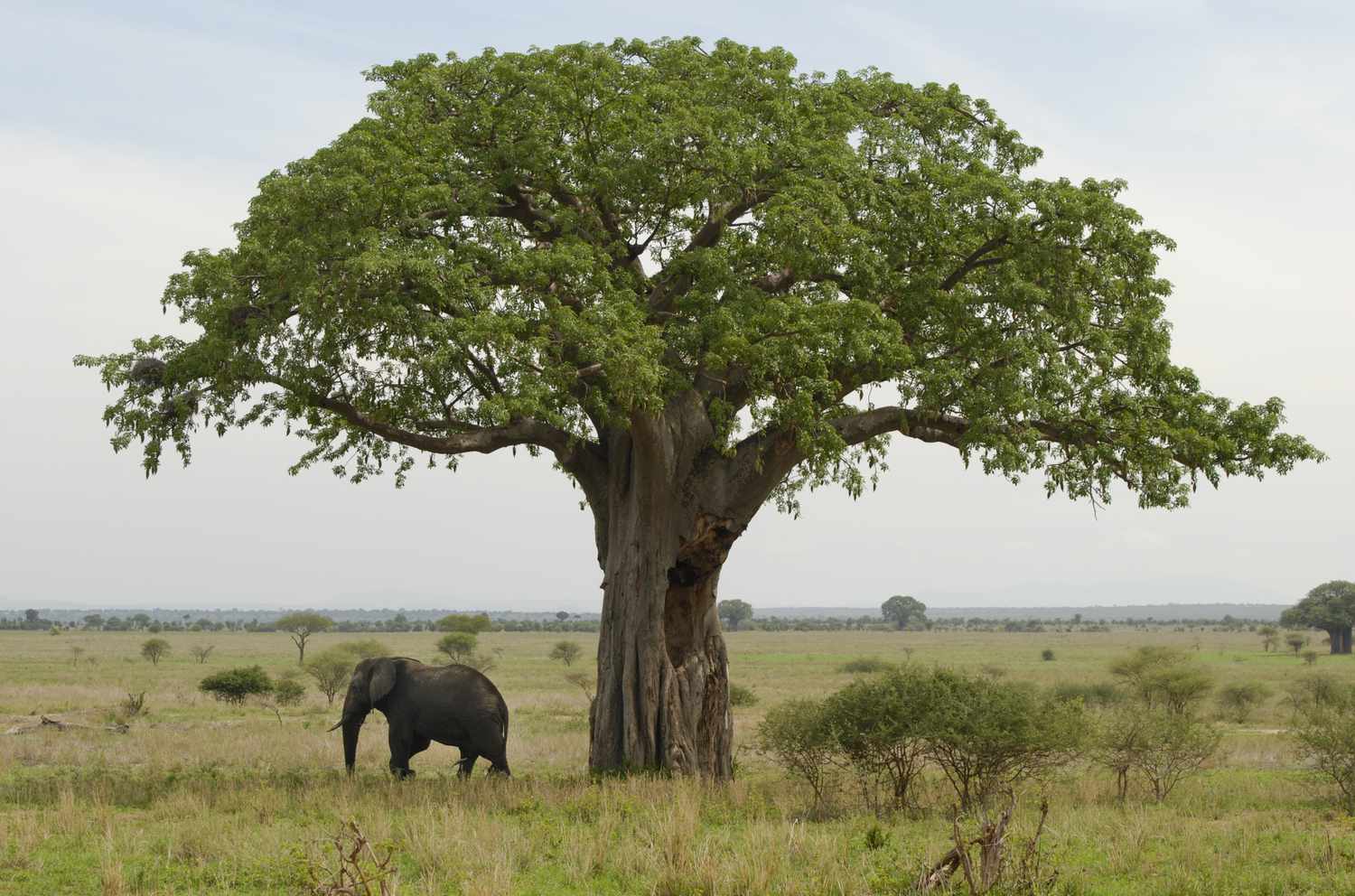
Yes, a single day can provide a rewarding safari experience in Tarangire National Park. A full-day private safari allows you to explore different areas of the park, maximize wildlife viewing opportunities, and experience the park's iconic landscapes featuring giant baobab trees and seasonal water sources that attract wildlife. While longer safaris offer more extensive exploration, a well-planned one-day safari with an experienced guide can deliver excellent game viewing and memorable encounters.
The dry seasons—June to October and January to February—are considered the best times for wildlife viewing in Tarangire National Park. During these periods, water sources become scarce, concentrating animals around remaining waterholes and the Tarangire River, which increases your chances of sightings. The wet season (November to May) brings lush vegetation and is ideal for birdwatching, though wildlife is more dispersed. The park offers good game viewing year-round, but dry season visits typically yield the most consistent and abundant wildlife encounters.
Pack lightweight, neutral-colored clothing in layers, as mornings and evenings can be cool while midday temperatures rise significantly. Bring a wide-brimmed hat, sunglasses, and high-SPF sunscreen for protection. Comfortable, closed-toe walking shoes or safari boots are essential. Include binoculars for wildlife viewing, a camera with extra batteries and memory cards, and a small daypack. Bring a light sweater or fleece for early morning game drives. Avoid bright colors and perfumes, as these can disturb wildlife. Don't forget any personal medications, insect repellent, and a refillable water bottle—bottled water is provided during game drives, but having your own is convenient.
Safari costs vary based on the operator, season, and specific inclusions, but a private one-day Tarangire safari generally ranges from moderate to premium pricing depending on vehicle quality, guide expertise, and meal standards. Most packages include park fees, professional guiding, private vehicle use, meals, and bottled water, which represents good value for a private experience. Costs typically increase during peak seasons. It's advisable to compare operators, verify what's included, and consider that private safaris offer flexibility and personalized service compared to group tours. Budget separately for international flights, travel insurance, tips, and any optional activities.
Visa requirements for Tanzania depend on your nationality. Most international visitors require a visa, which can be obtained on arrival at major airports, through the Tanzanian embassy in your home country, or via an e-visa system. Processing times and fees vary by nationality. It's essential to check the official Tanzania immigration website or contact your nearest Tanzanian embassy well in advance of your travel dates to confirm current requirements, as regulations can change. Ensure your passport is valid for at least six months beyond your travel dates.
Yellow fever vaccination is recommended for travelers visiting Tanzania, and some countries may require proof of vaccination upon entry. Malaria prophylaxis is advisable, as Tarangire is in a malaria-endemic region—consult your healthcare provider about appropriate preventive medication. Routine vaccinations (measles, mumps, rubella, tetanus, polio) should be up to date. Typhoid and hepatitis A vaccinations are also commonly recommended. Visit a travel health clinic 4-6 weeks before your trip for personalized medical advice based on your health history and specific travel plans. Malaria prevention measures like insect repellent and appropriate clothing are also important.
A comprehensive Tarangire private safari package typically includes national park entrance fees, accommodation, all meals (breakfast, lunch, and dinner), use of a private 4x4 safari vehicle, a professional English-speaking guide, bottled water during game drives, and government taxes and VAT. This all-inclusive approach means you have predictable costs for the main components of your safari experience. Items usually not included are international flights, travel insurance, visa fees, alcoholic beverages, tips and gratuities for guides and staff, personal expenses, optional activities, and travel vaccinations. Review your specific package details to confirm exactly what's covered.
Game drives in Tarangire typically begin very early in the morning, often departing around 6:00 to 7:00 AM, when wildlife is most active and temperatures are cooler. Early morning drives offer the best opportunities for viewing predators and observing natural animal behavior. A full-day safari usually includes a morning game drive, a break for lunch and rest during the hottest part of the day, and an afternoon/evening game drive. Some operators offer flexibility in timing based on guest preferences. Starting early maximizes your wildlife viewing time and ensures you experience the park during its most productive hours for sightings.
Private safaris offer significant flexibility compared to group tours, allowing you to customize your experience based on your interests and preferences. You can work with your safari operator to adjust timing, focus on specific wildlife or photography opportunities, spend more time in areas of particular interest, or include special activities like guided nature walks or visits to cultural sites. Your professional guide can adapt the route based on wildlife sightings and your preferences. Discuss your interests, photography goals, and any special requests when booking to ensure your private safari is tailored to your expectations. This personalized approach is one of the key advantages of choosing a private safari experience.
© 2026 SafariFind. All rights reserved.
