 1 / 41 / 4
Loading SafariFind...
1 / 4Arusha City Tours
Arusha
Year Round
Year-round
| Season | Solo traveler | 2 people | 3 – 4 people | 5 – 6 people | 7+ people | Child rate | Single suppl. |
|---|---|---|---|---|---|---|---|
Year Round Year-round | $170 | $110 | $100 | $90 | $90 | $80 | $30 |
Child rate applies to travelers under 11 years. Single supplement applies to solo travelers taking their own room.
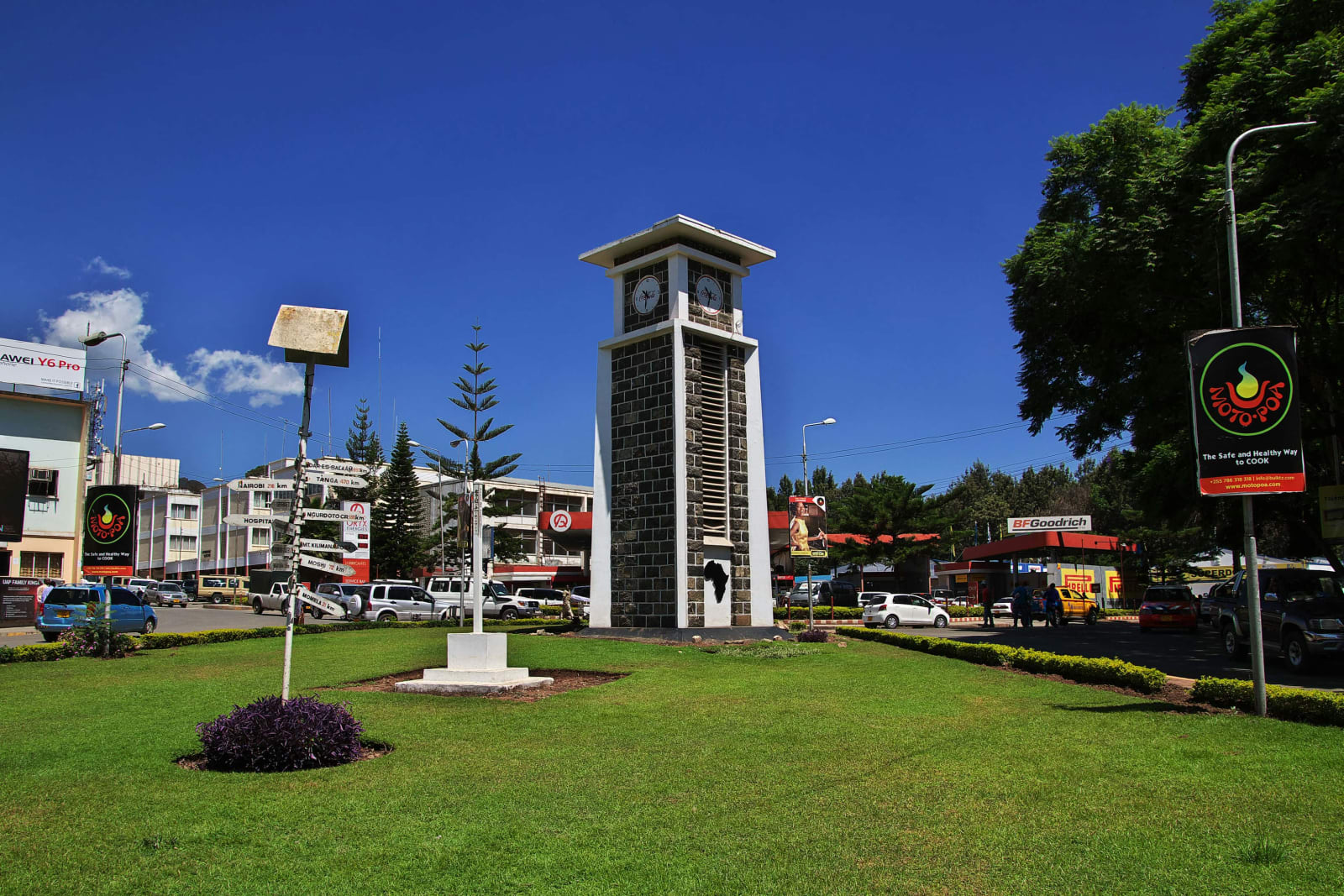
Arusha offers a rich one-day experience that goes well beyond its role as a safari gateway. You can explore bustling local markets where vendors sell everything from fresh produce to traditional crafts, visit historical landmarks that showcase Tanzania's colonial heritage and independence story, and walk through neighborhoods that reveal authentic daily life in this vibrant city. The city also features colonial-era architecture, modern commercial districts, and opportunities to interact with local communities. A focused one-day tour typically combines vehicle travel with walking explorations, allowing you to experience both the urban energy and cultural depth of this important East African hub.
While Arusha is famous as the gateway to Tanzania's safari destinations, it's absolutely worth dedicating time to explore on its own terms. Many travelers rush through the city en route to national parks and miss the opportunity to understand the region's cultural context and local character. Arusha is a dynamic urban center with fascinating colonial history, vibrant markets, and genuine encounters with Tanzanian people and traditions. Spending a day here provides essential cultural orientation and enriches your understanding of East Africa beyond wildlife viewing. It's an excellent complement to safari adventures or a meaningful standalone experience for those with limited time.
For a one-day city tour in Arusha, pack comfortable walking shoes suitable for uneven market streets and urban terrain. Bring lightweight, breathable clothing as you'll be walking during the day—a hat or cap provides sun protection. Sunscreen and sunglasses are essential. Carry a small daypack or crossbody bag for personal items, and bring a refillable water bottle (though water is typically provided during tours). Modest clothing is respectful when visiting local communities and historical sites. Consider bringing a light jacket or sweater for air-conditioned vehicle travel. A camera is useful for capturing the vibrant markets and architecture. Cash in Tanzanian Shillings is important for small purchases at markets, though major establishments may accept cards.
Arusha can be visited year-round, making it a flexible destination for travelers with varying schedules. However, the dry seasons offer the most pleasant weather for city exploration. The primary dry season runs from June to October, when you'll experience cooler temperatures, clear skies, and minimal rainfall—ideal conditions for walking tours and market visits. The secondary dry season spans January to February, offering another window of excellent weather. These periods are also peak safari season, so if you're combining a city tour with wildlife adventures, these months are optimal. The rainy seasons (November to December and March to May) bring occasional showers but are less crowded and offer greener landscapes. Ultimately, your choice depends on your broader travel plans and whether you're coordinating with safari trips to nearby national parks.
A comprehensive one-day city tour of Arusha typically spans 8 to 10 hours of active exploration, allowing you to experience the main attractions, markets, historical sites, and local neighborhoods. This timeframe includes a mix of vehicle travel and walking tours, with time spent exploring markets, visiting landmarks, and interacting with local communities. The pace is moderate and accessible for most fitness levels, with breaks built in. If you have only a few hours during a transit stop, you can still see highlights like the city center and main markets, though a full day provides a much richer cultural experience. Many travelers use this one-day tour as either a starting point before multi-day safaris or a concluding experience after wilderness adventures, making it flexible within your broader itinerary.
Arusha holds profound cultural and historical importance in Tanzania as both a modern urban center and a site of national significance. The city is home to the International Criminal Tribunal for Rwanda (ICTR) and serves as a major hub for international diplomacy and East African cooperation. Historically, Arusha was shaped by German and British colonial influence, evident in its architecture and urban layout. Today, it functions as Tanzania's primary gateway to the northern safari circuit, connecting travelers to iconic destinations like Mount Kilimanjaro, the Serengeti, and the Ngorongoro Crater. The city represents the intersection of traditional Tanzanian culture and modern commerce, with vibrant markets reflecting local traditions and contemporary East African life. For visitors, exploring Arusha provides essential context for understanding Tanzania's colonial past, independence journey, and current role as a regional economic and cultural crossroads.
Visa requirements for Tanzania depend on your nationality and are determined by the Tanzanian government. Most international visitors require a visa to enter Tanzania, though some countries have visa-free or visa-on-arrival agreements. It's essential to check the official Tanzanian immigration website or contact your nearest Tanzanian embassy or consulate well before your trip to confirm requirements specific to your passport. Many travelers obtain visas in advance, though some nationalities can obtain them upon arrival at major airports and border crossings. If you're arranging a city tour as part of a broader Tanzania safari package, your tour operator can often provide guidance on visa procedures. Additionally, ensure your passport is valid for at least six months beyond your intended departure date, as this is typically required for entry.
Before traveling to Arusha, consult with a travel health clinic or your healthcare provider at least 4 to 6 weeks before departure. Common recommendations for Tanzania include vaccinations for yellow fever, typhoid, and routine immunizations (MMR, tetanus, etc.). Malaria prevention is important, as Arusha is in a malaria-endemic region; your doctor may recommend antimalarial medication depending on your itinerary and risk factors. Ensure you have comprehensive travel insurance that covers medical evacuation. Practice good hygiene by drinking bottled or purified water, eating freshly cooked food, and washing hands regularly. Carry a basic first-aid kit and any personal medications in original containers. Protect yourself from mosquitoes using insect repellent, long sleeves during dawn and dusk, and bed nets if needed. Check current health advisories from organizations like the CDC or WHO before your trip, as recommendations can change based on disease outbreaks or other health concerns.
Absolutely. Many travelers strategically combine an Arusha city tour with multi-day safari adventures, and this is one of the most popular ways to experience northern Tanzania. You can use the city tour as a starting point before heading to nearby national parks like the Serengeti, Ngorongoro Crater, or Tarangire, allowing you to acclimate and understand the regional context before wilderness exploration. Alternatively, conclude your safari with a city tour to process your experiences and explore Tanzanian urban culture before departing. This combination provides a well-rounded Tanzania experience that balances wildlife viewing with cultural immersion. The proximity of Arusha to major safari destinations makes this combination logistically practical, and many tour operators offer flexible packages that include both components. Whether you dedicate one day to the city or extend your stay, combining urban and safari experiences enriches your understanding of Tanzania as a whole.
Arusha's markets are vibrant, energetic spaces that offer an authentic glimpse into daily Tanzanian life and commerce. You'll find bustling vendors selling fresh produce, spices, grains, and local foods alongside traditional crafts, textiles, jewelry, and souvenirs. The atmosphere is lively with colorful displays, animated negotiations, and the sounds and aromas of a thriving marketplace. Markets are excellent places to purchase authentic gifts and experience genuine interactions with local people. Haggling is common and expected in many stalls, though prices in established shops may be fixed. Be prepared for crowded conditions, especially during peak hours. Bring cash in Tanzanian Shillings, as most vendors don't accept cards. It's wise to keep valuables secure and be mindful of your belongings. Markets offer incredible photo opportunities and cultural immersion, though it's respectful to ask permission before photographing people. A guided tour through markets helps you navigate safely, understand local products, and connect meaningfully with vendors and their stories.
 VISION SAFARI & TOURSARUSHA, Tanzania
© 2026 SafariFind. All rights reserved.