 1 / 5
1 / 5 1 dayshared
1-Day Trip: Arusha National Park Safari
Highlights
- Perfect blend of wildlife, scenery, and light adventure in a single day
- Easy access from Arusha with minimal travel time
Loading SafariFind...
1 / 5Departure from Arusha
Arusha National Park
Meals: Breakfast, Lunch, Dinner
Year Round
Year-round
| Season | 2 people |
|---|---|
Year Round Year-round | $395 |
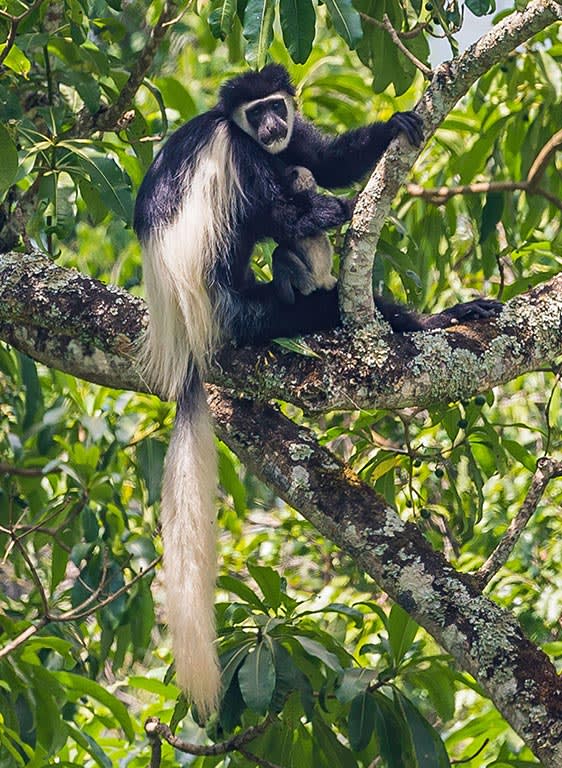
Arusha National Park is home to a diverse range of wildlife despite being one of Tanzania's smaller parks. You can expect to see giraffes, zebras, buffalo, warthogs, and various antelope species including impalas and duikers. The park is also known for its birdlife, with over 400 bird species recorded, making it excellent for birdwatching. Predators like leopards and hyenas inhabit the park but are less frequently spotted. The combination of game drives and walking safaris increases your chances of encountering wildlife in their natural habitat.
Yes, a one-day safari in Arusha National Park can be quite rewarding, especially if you're short on time or based in Arusha. The park covers 137 square kilometers and is easily accessible from the city, making it perfect for a condensed wildlife experience. A full day allows you to complete multiple game drives and possibly a guided walking safari, giving you good opportunities to spot animals and enjoy the park's scenic landscapes including Mount Meru and the crater lakes. However, if you have more time available, 2-3 days would provide a more immersive experience with less rushed exploration.
For a day safari in Arusha National Park, pack lightweight, neutral-colored clothing in earth tones (khaki, beige, green) to blend with the environment and avoid disturbing wildlife. Bring a wide-brimmed hat, sunglasses, and high-SPF sunscreen for protection from the equatorial sun. Comfortable, closed-toe hiking boots are essential for both game drives and walking safaris. A light jacket or sweater is recommended as mornings and evenings can be cool, especially at higher elevations. Don't forget binoculars for wildlife viewing, a camera with extra batteries, and any personal medications. While bottled water is provided during game drives, carrying a refillable water bottle is practical. Avoid bright colors and perfumes that might startle animals.
Arusha National Park can be visited year-round, but the best times are during the dry seasons: June to October (long dry season) and January to February (short dry season). During these periods, vegetation is less dense, making wildlife easier to spot, and roads are in better condition. The short dry season (January-February) is particularly good as animals concentrate around water sources. The wet seasons (March-May and November-December) bring lush green landscapes and fewer tourists, which appeals to some visitors, but wildlife viewing can be more challenging due to dense vegetation. The park's proximity to Mount Meru means weather can be unpredictable, so checking forecasts before your visit is advisable.
Arusha National Park is conveniently located just 30-45 minutes from Arusha city center, making it ideal for a day trip. The park entrance is easily accessible by vehicle, and airport transfers are typically included in safari packages, so you can depart directly from Kilimanjaro International Airport or your hotel in Arusha. This short travel time means you can maximize your time actually exploring the park rather than spending hours in transit, making it perfect for travelers with limited time or those looking to combine it with other northern Tanzania attractions like Mount Kilimanjaro or Arusha town visits.
A typical day safari in Arusha National Park includes both game drives and walking safaris, offering diverse ways to experience the park. Game drives in a private 4x4 vehicle allow you to cover more ground and spot larger animals while remaining comfortable. Walking safaris, led by professional guides, provide an intimate experience where you can observe smaller wildlife, plants, and bird species up close while enjoying the natural scenery. You'll also have opportunities to visit scenic spots like the crater lakes and enjoy views of Mount Meru. The combination of activities ensures a well-rounded safari experience that caters to different interests and fitness levels.
Visa requirements for Tanzania depend on your nationality. Most international visitors require a visa to enter Tanzania, which can typically be obtained on arrival at Kilimanjaro International Airport, online through the e-visa system, or in advance from a Tanzanian embassy or consulate. The process is generally straightforward and takes about 5-10 minutes at the airport if you apply on arrival. It's recommended to check the current visa requirements for your specific country with the official Tanzanian immigration website or your nearest embassy well before your trip. Additionally, ensure your passport is valid for at least six months beyond your travel dates. Visa fees are not included in safari packages and must be paid separately.
A full day safari typically includes three meals: breakfast before or after your morning game drive, lunch (usually a packed meal or at a lodge), and dinner in the evening. These meals are designed to fuel your day of exploration and are included in most safari packages. Breakfast might consist of fresh fruits, pastries, eggs, and hot beverages. Lunch is often a packed meal enjoyed at a scenic spot in the park or at a lodge. Dinner is a more substantial meal, typically featuring local and international cuisine. All meals cater to various dietary preferences, so inform your operator in advance of any dietary restrictions or allergies. Bottled water is provided throughout the day during game drives to keep you hydrated in the African climate.
While specific vaccination requirements depend on your medical history and home country, most health authorities recommend certain vaccinations before traveling to Tanzania. Yellow fever vaccination is often recommended and may be required depending on where you're traveling from. Malaria prophylaxis is strongly advised, as the region is a malaria transmission area. Vaccinations against typhoid, hepatitis A and B, and routine immunizations (MMR, tetanus) are commonly recommended. It's essential to consult with a travel medicine specialist or your doctor at least 4-6 weeks before your trip to receive personalized medical advice based on your health status and travel plans. They can provide guidance on malaria prevention, which is particularly important for a safari experience.
Travel insurance costs for a Tanzania safari vary widely depending on factors like your age, trip duration, coverage level, and pre-existing conditions. For a short one-day safari trip, basic travel insurance might range from $20-50 USD, while comprehensive coverage including emergency evacuation can cost $100-300+ USD depending on your destination and policy. It's crucial to purchase travel insurance that specifically covers safari activities, as standard policies may not. Look for coverage that includes emergency medical evacuation, trip cancellation, baggage loss, and activity-specific protection. While travel insurance is not included in safari packages, it's highly recommended given the remote nature of safari destinations and potential health risks. Compare quotes from multiple providers to find the best coverage for your needs.
 Pumba ReisenArusha, Tanzania
© 2026 SafariFind. All rights reserved.
