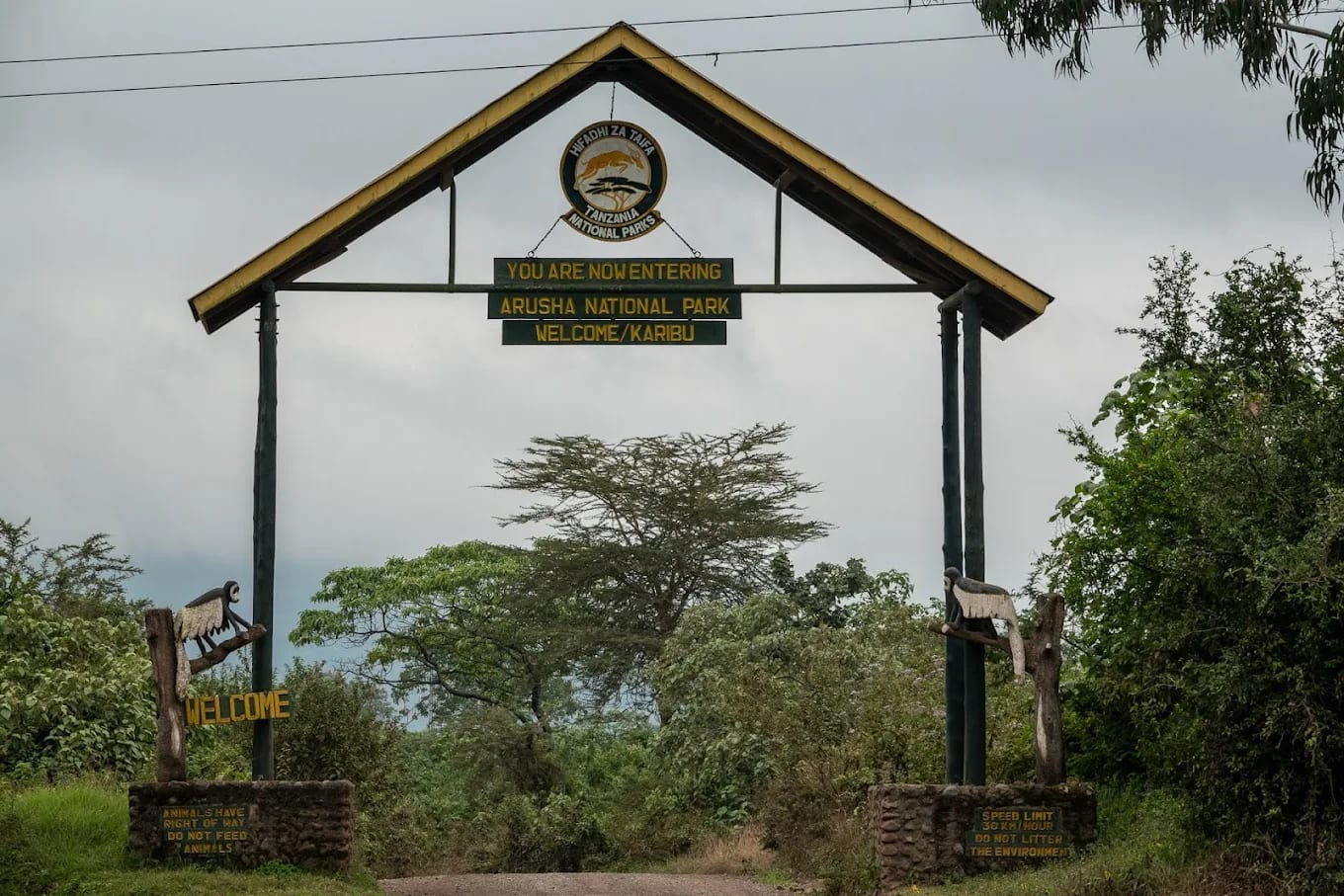
 1 / 4
1 / 4 1 daysprivate
1-Day Walking Safari in Arusha National Park
Highlights
- Guided walking safari with an armed park ranger
Loading SafariFind...
1 / 4Morning Pickup & Transfer
Arusha
Year Round
Year-round
| Season | 2 people |
|---|---|
Year Round Year-round | $390 |
Arusha National Park is home to a diverse range of wildlife that you can encounter on foot, including giraffes, zebras, buffaloes, warthogs, and various antelope species. The park also hosts several monkey species and is renowned for its exceptional birdwatching opportunities, with a wide variety of bird species throughout the park. Walking safaris offer a more intimate perspective of the animals compared to traditional game drives, allowing you to observe wildlife behavior in their natural habitat while accompanied by a professional ranger guide.
Yes, walking safaris in Arusha National Park are conducted safely with professional precautions in place. All walking safaris are accompanied by both a professional safari guide and an armed park ranger, who are trained to manage wildlife encounters and ensure your safety throughout the experience. These trained professionals understand animal behavior, know the terrain well, and maintain appropriate distances from wildlife. Walking safaris have been successfully operated in the park for many years, making them a secure way to experience nature on foot.
Arusha National Park can be visited year-round, but the best times are during the dry seasons: June to October (long dry season) and January to February (short dry season). During these periods, wildlife is more concentrated around water sources, making sightings more frequent, and the trails are in excellent condition for walking safaris. The park's lush forests and grasslands remain beautiful during the rainy seasons as well, though some trails may be more challenging. The cooler months of June to August are particularly popular with visitors seeking comfortable walking conditions.
A typical walking safari in Arusha National Park is a full-day experience that allows you to explore the park's diverse landscapes comprehensively. The day includes time for wildlife viewing, scenic exploration, and a picnic lunch in the park. Starting early in the morning and returning in the late afternoon, a full-day walking safari provides ample opportunity to experience the park's forests, grasslands, lakes, and potentially encounter various wildlife species while enjoying the natural beauty of the area.
For a walking safari in Arusha National Park, pack comfortable, sturdy walking shoes or hiking boots as you'll be on foot exploring various terrains. Wear neutral-colored, lightweight clothing that provides sun protection and allows for movement. Essential items include a wide-brimmed hat, sunglasses, sunscreen, and insect repellent. Bring a camera or binoculars for wildlife viewing and birdwatching. A light rain jacket is recommended, especially during transitional seasons. Since bottled drinking water is provided, you can focus on carrying a small daypack with personal essentials. Wear layers, as temperatures can vary throughout the day.
A walking safari offers a fundamentally different experience compared to traditional game drives. While game drives keep you in a vehicle, walking safaris allow you to be on foot, providing a more intimate and immersive connection with nature. Walking safaris offer a slower pace, enabling you to observe wildlife behavior more closely, hear natural sounds of the environment, and experience the ecosystem at ground level. This perspective often reveals details and wildlife encounters that are missed from a vehicle. Walking safaris also provide better opportunities for photography, birdwatching, and experiencing the park's diverse landscapes—from forests to grasslands to lakes—in a more personal way.
Arusha National Park is known for its stunning and diverse landscapes. You'll experience lush forests with abundant vegetation and wildlife, open grasslands where larger animals roam, and sparkling lakes that reflect the natural beauty of the surroundings. One of the park's most iconic features is the views of Mount Meru, a magnificent peak that dominates the landscape. Located between Arusha and Mount Kilimanjaro, the park's elevation and geography create varied ecosystems and scenic vistas. The combination of these diverse landscapes—forests, grasslands, water features, and mountain views—makes Arusha National Park a visually spectacular destination for nature lovers and photographers.
A comprehensive walking safari package typically includes park entrance fees, allowing you access to all areas of Arusha National Park. You'll be accompanied by a professional safari guide and an armed park ranger throughout the day, ensuring both safety and expert knowledge. The walking safari permit is included, along with a picnic lunch served in the park and bottled drinking water to keep you hydrated. Hotel pickup and drop-off service is provided, along with transport in a safari vehicle to and from the park. Government taxes and fees are also included in the package, making it an all-inclusive experience. Personal expenses, travel insurance, alcoholic and soft drinks, and guide tips are typically not included.
Yes, Arusha National Park is an excellent destination for birdwatching enthusiasts. The park is home to a wide variety of bird species, making it a paradise for birders of all experience levels. The diverse habitats within the park—including forests, grasslands, and lakes—attract different bird species throughout the year. A walking safari is particularly suited for birdwatching, as the slower pace and ground-level perspective allow you to observe birds in their natural behavior and listen to their calls. Early morning hours are typically the best time for birdwatching, when birds are most active. Bringing binoculars and a bird identification guide will enhance your birdwatching experience.
Yes, walking safaris in Arusha National Park offer excellent photography opportunities. The intimate nature of walking safaris often allows for closer encounters with wildlife compared to vehicle-based safaris, potentially providing more compelling photographic moments. The diverse landscapes—forests, grasslands, lakes, and mountain views—create varied backdrops for photography. The slower pace of walking safaris gives you more time to compose shots and wait for wildlife behavior. Early morning light, which is ideal for photography, aligns well with safari schedules. Whether you're interested in wildlife photography, landscape photography, or birdwatching photography, the park's natural beauty and accessibility make it a rewarding destination for photographers of all skill levels.
 Elia SafarisArusha, Tanzania5.0(8 reviews)
© 2026 SafariFind. All rights reserved.