 1 / 81 / 8
Loading SafariFind...
1 / 8Arrival and Gateway to the Mountain
Kilimanjaro National Park
Meals: Dinner
Into the Shira Plateau's Alpine Realm
Kilimanjaro National Park
Meals: Breakfast, Lunch, Dinner
Shira Plateau Exploration and Acclimatization
Kilimanjaro National Park
Meals: Breakfast, Lunch, Dinner
Northern Slopes and Remote Wilderness
Kilimanjaro National Park
Meals: Breakfast, Lunch, Dinner
Remote Wilderness and Panoramic Vistas
Kilimanjaro National Park
Meals: Breakfast, Lunch, Dinner
Descent and Rongai Approach
Rongai Gate
Meals: Breakfast, Lunch, Dinner
Alpine Ascent to Summit Camp
Kilimanjaro National Park
Meals: Breakfast, Lunch, Dinner
Summit Day: Uhuru Peak at Sunrise
Uhuru Peak
Meals: Breakfast, Lunch, Dinner
Descent to Mweka Camp
Kilimanjaro National Park
Meals: Breakfast, Lunch, Dinner
Final Descent and Celebration
Moshi City
Meals: Breakfast
High Season
Jun 2026 – Oct 2026
Low Season
Nov 2026 – May 2027
| Season | Solo traveler | 2 people | 3 – 4 people | 5 – 6 people | 7+ people | Child rate | Single suppl. |
|---|---|---|---|---|---|---|---|
High Season Jun 2026 – Oct 2026 | $3,800 | $2,530 | $2,280 | $2,150 | $2,020 | $1,770 | $760 |
Low Season Nov 2026 – May 2027 | $3,610 |
Child rate applies to travelers under 12 years. Single supplement applies to solo travelers taking their own room.
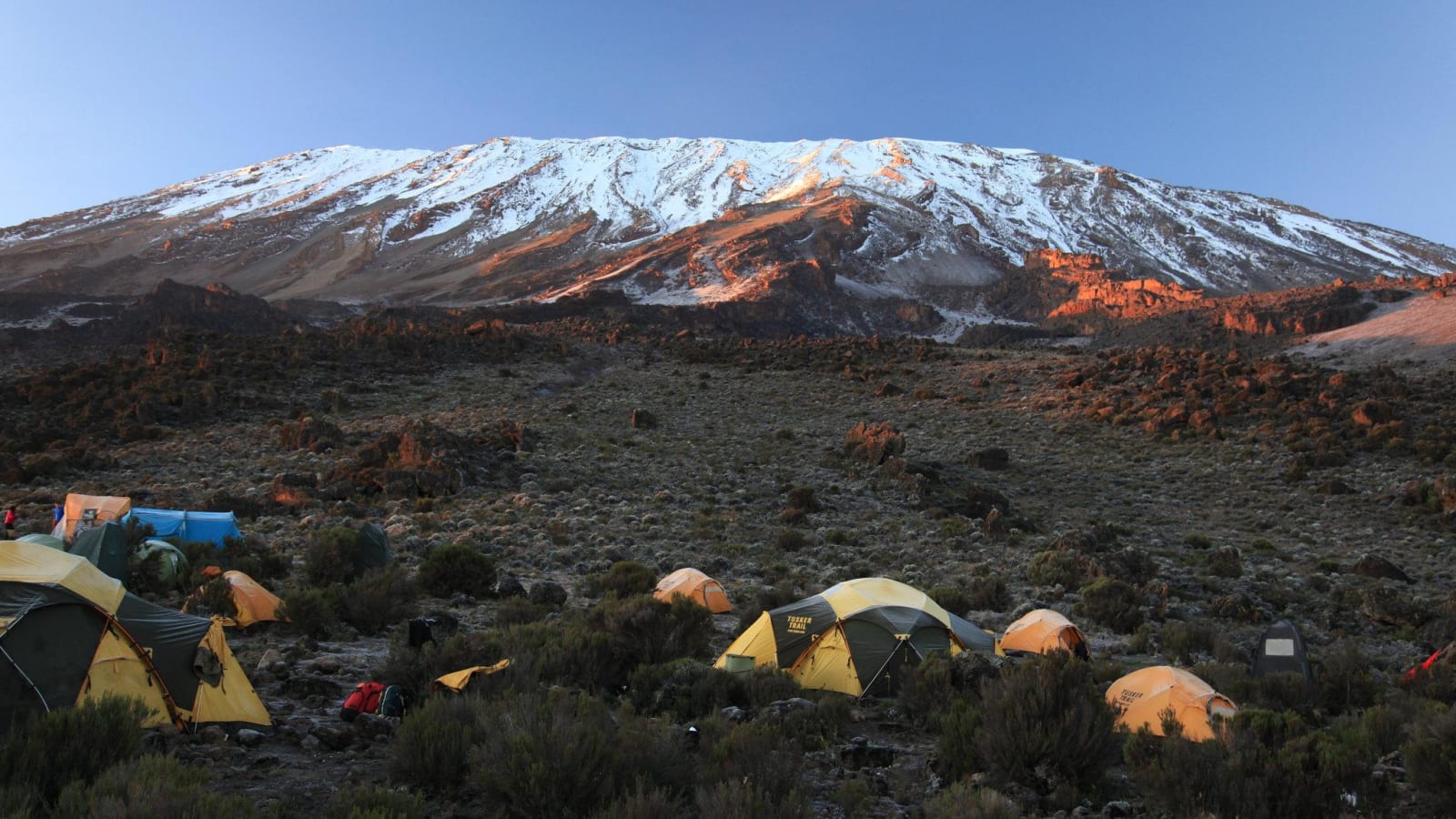
The Northern Circuit Route is Africa's longest and most scenic Kilimanjaro trekking route, spanning 10 days and covering approximately 71 kilometers around the mountain's northern slopes. It's considered the best for photography because it offers several distinct advantages: fewer trekkers than popular southern routes like Marangu or Machame, which means clearer skies and unobstructed compositions; gradual elevation gain that allows more time to scout locations and capture the mountain's changing moods throughout the day; passage through five distinct ecological zones (highland forest, alpine moorland, high desert, arctic tundra, and ice-capped summit), each offering unique visual character; and diverse landscapes including volcanic plateau formations, dramatic escarpments, and ethereal ice fields. The route begins at the remote Londorosi Gate and winds through camps like Shira Plateau and Moir Hut, where golden hour light bathes the Kenyan plains below, providing exceptional lighting conditions for both landscape and detail photography.
The Northern Circuit Route takes 10 days to complete. This extended timeframe is one of the route's primary advantages, as it spreads the elevation gain over more days compared to shorter routes, allowing for better acclimatization to high altitude and more time to photograph different locations and lighting conditions. The longer duration also means less physical strain per day, with typical daily hiking ranging from 5-7 hours, making it more manageable for trekkers of varying fitness levels while still presenting the challenge of high-altitude climbing above 14,000 feet.
Kilimanjaro's summit, Uhuru Peak, stands at 19,341 feet (5,895 meters), making it the world's tallest free-standing mountain. The Northern Circuit Route passes through five distinct ecological zones, each with unique characteristics and photographic opportunities: (1) Dense highland forest at lower elevations, characterized by lush vegetation and filtered light; (2) Alpine moorland, featuring sparse vegetation and expansive vistas; (3) High desert, with volcanic plateau formations and otherworldly terrain; (4) Arctic tundra, with sparse vegetation and dramatic weather patterns; and (5) The ice-capped summit zone with glacial fields and sub-zero temperatures. This ecological diversity means your camera will capture dramatically different landscapes and lighting conditions as you ascend.
Absolutely. The Northern Circuit is suitable for photographers of all skill levels, from professionals to enthusiasts with just a smartphone. The stunning landscapes and dramatic vistas reward any level of photography, and many trekkers discover that the journey itself—the personal challenge, the breathtaking views, and the achievement of reaching the summit—becomes the most meaningful and photogenic subject. However, while photography experience isn't necessary, physical fitness is important. You should be comfortable with 5-7 hours of daily hiking and prepared for the physical demands of high-altitude trekking above 14,000 feet, where the thin air presents the primary challenge rather than technical photography skills.
Pack a sturdy, weather-protective camera bag since conditions vary dramatically from humid forests at lower elevations to sub-zero temperatures at the summit. Essential gear includes: (1) Wide-angle lenses for landscape composition, which are ideal for capturing Kilimanjaro's expansive vistas and the mountain's panoramic views; (2) Telephoto lenses for capturing distant details of the mountain, wildlife, and the vast Kenyan plains below; (3) Extra batteries—cold temperatures drain them quickly, so bring significantly more than you think you'll need; (4) A tripod for capturing sharp sunrise and sunset shots from camp; (5) Weather protection like lens filters and waterproof covers for humid forest sections; (6) Cleaning supplies for dust and moisture. Consider the weight and bulk of your gear relative to the physical demands of daily hiking, and ensure your camera bag is comfortable to carry for extended periods.
The best times to trek Kilimanjaro for photography are during the two dry seasons: January–February and June–October. June–October is generally ideal for consistent weather conditions, clearest skies, and most dramatic lighting, though temperatures are colder at higher elevations. January–February offers warmer daytime temperatures and good visibility, but you may encounter occasional clouds that can obscure the mountain's summit and reduce photographic opportunities. Both seasons provide superior conditions compared to the rainy seasons (March–May and November–December), when cloud cover, mist, and precipitation limit visibility and create challenging shooting conditions. Your choice between the two dry seasons should depend on whether you prioritize warmer temperatures (January–February) or more consistent, stable weather conditions (June–October).
The Northern Circuit Route showcases diverse natural features and wildlife across its five ecological zones. At lower elevations in the highland forest, you'll encounter forest birds and small mammals among lush vegetation. As you ascend through alpine moorland and high desert zones, you'll see hardy alpine vegetation, volcanic formations on the Shira Plateau, and dramatic escarpments. The route's unique characteristic is its passage through the remote northern slopes, offering views of the Kenyan plains below, especially during golden hour when light bathes the landscape in warm tones. While large wildlife is less common at higher elevations due to thin air and harsh conditions, you may spot alpine hyraxes and various bird species. The primary 'wildlife' subjects for photographers are the mountain itself in its many moods, dramatic geological formations, and the interplay of light and shadow across the landscape from sunrise at 19,341 feet to sunset across the African continent.
The Northern Circuit Route differs significantly from other popular Kilimanjaro routes: Unlike the Marangu Route (also called the 'tourist route'), which takes 5-6 days and is the most crowded, the Northern Circuit spans 10 days with fewer trekkers, resulting in clearer skies, better light, and unobstructed photographic compositions. Compared to the Machame Route (6-7 days), the Northern Circuit offers more time for acclimatization and photography, a longer and more gradual ascent, and passage through more diverse ecological zones. The Northern Circuit's key advantages are: (1) It's the longest route, spreading elevation gain over more days for better acclimatization; (2) Significantly fewer trekkers mean less crowded camps and clearer conditions; (3) More diverse landscapes and photographic opportunities; (4) Remote northern slopes with unique vistas of the Kenyan plains; (5) Multiple scenic camps (Shira Plateau, Moir Hut, Pofu Camp) that offer exceptional golden hour photography. The trade-off is that it requires more time and physical endurance than shorter routes.
The Northern Circuit requires a good to excellent level of physical fitness. While the 10-day duration spreads the elevation gain more gradually than shorter routes (which aids acclimatization), you should be prepared for: (1) Daily hiking of 5-7 hours through varying terrain and elevation; (2) Thin air and altitude effects above 14,000 feet, which significantly increase physical demands even at lower hiking speeds; (3) Cold temperatures, especially at higher elevations and during summit night; (4) Carrying a daypack with camera gear and personal items during daily hikes. You don't need to be a professional mountaineer, but you should have a solid fitness foundation—ideally from regular cardiovascular exercise, hiking experience, or similar endurance activities. The gradual ascent of the Northern Circuit is actually an advantage for those of varying fitness levels compared to steeper routes, as it allows better acclimatization and reduces the risk of altitude sickness. Consider training with weighted packs before the trek to prepare your body for the demands of daily hiking at altitude.
Accommodation during the Northern Circuit trek consists of camps at various elevations along the route, including Mti Mkubwa Camp, Shira Camp One, Shira Camp Two, Moir Hut, Pofu Camp, School Hut at Gilman's Point, and Mweka Camp. Camps provide basic but adequate shelter—typically dome tents or huts depending on the camp—and are positioned to offer stunning views and optimal photography opportunities, particularly during golden hour. Daily schedule typically follows this pattern: early breakfast before dawn (allowing you to photograph sunrise from camp or nearby locations), a full day of trekking (5-7 hours) with lunch at a rest point or camp, afternoon arrival at the next camp (allowing time to scout photography locations before sunset), dinner, and early bedtime to conserve energy and prepare for the next day's hike. The final night involves a midnight start from School Hut to reach Uhuru Peak at sunrise, one of the trek's most iconic photographic moments. Throughout the trek, you'll have three meals daily (breakfast, lunch, dinner) and access to bottled water, allowing you to focus on photography and acclimatization rather than logistics.
 isale safaris company limitedkilimanjaro, Tanzania
© 2026 SafariFind. All rights reserved.
| $2,400 |
| $2,160 |
| $2,040 |
| $1,920 |
| $1,770 |
| $760 |