10 daysprivate
10-Day Samburu NR, Meru NP, OL Pejeta Conservancy, Lake Nakuru NP, Masai Mara NR and Lake Naivasha Safari
Highlights
- Samburu National Reserve
- Special five animals
Loading SafariFind...
Nairobi to Samburu National Reserve
Samburu National Reserve
Meals: Lunch, Dinner
Samburu National Reserve
Samburu National Reserve
Meals: Breakfast, Lunch, Dinner
Samburu National Reserve to Meru National Park
Meru National Park
Meals: Breakfast, Lunch, Dinner
Meru National Park to OL Pejeta Conservancy
Ol Pejeta Conservancy
Meals: Breakfast, Lunch, Dinner
OL Pejeta Conservancy
Ol Pejeta Conservancy
Meals: Breakfast, Lunch, Dinner
OL Pejeta Conservancy to Lake Nakuru National Park
Lake Nakuru National Park
Meals: Breakfast, Lunch, Dinner
Lake Nakuru National Park to Masai Mara National Reserve
Masai Mara National Reserve
Meals: Breakfast, Lunch, Dinner
Masai Mara National Reserve
Masai Mara National Reserve
Meals: Breakfast, Lunch, Dinner
Masai Mara National Reserve to Lake Naivasha
Lake Naivasha
Meals: Breakfast, Lunch, Dinner
Lake Naivasha to Nairobi
Nairobi
Meals: Breakfast
Season 1
Jul 1 – Aug 31
Season 2
Sep 1 – Sep 30
Season 3
Oct 1 – Oct 31
Season 4
Nov 1 – Dec 23
| Season | 2 people |
|---|---|
Season 1 Jul 1 – Aug 31 | $4,090 |
Season 2 Sep 1 – Sep 30 | $4,090 |
Season 3 Oct 1 – Oct 31 | $3,930 |
Season 4 Nov 1 – Dec 23 |
Samburu National Reserve is known for its unique semi-arid landscape and distinctive wildlife species. You'll have excellent opportunities to see the Samburu Special Five—reticulated giraffes, Grevy's zebras, gerenuk antelopes, beisa oryx, and Somali ostriches—which are adapted to the dry environment. The reserve also hosts lions, leopards, cheetahs, elephants, buffalo, and numerous bird species. The rugged terrain and sparse vegetation make wildlife viewing particularly rewarding, as animals congregate around water sources. Game drives with professional guides significantly increase your chances of spotting these remarkable creatures in their natural habitat.
Yes, Lake Nakuru National Park is exceptionally renowned for its rhino and giraffe populations. The park is one of Kenya's most important sanctuaries for both black and white rhinos, and you'll encounter numerous Rothschild's giraffes throughout the reserve. The lake itself is also famous for its flamingos and other birdlife, creating a spectacular and diverse wildlife viewing experience. The park's relatively compact size makes it easier to spot these animals during guided game drives, and the scenic backdrop of the Rift Valley adds to the overall experience.
The Masai Mara National Reserve is world-renowned for its exceptional concentration of the Big Five—lions, elephants, buffalo, leopards, and rhinoceros—and its diverse ecosystem. The reserve is most famous for hosting the Great Migration, an annual event where millions of wildebeest and zebras migrate across the Serengeti-Mara ecosystem. The Masai Mara offers thrilling game-viewing opportunities with excellent predator-prey interactions, stunning landscapes, and a rich cultural experience with the Masai people. The reserve's size and varied habitats—from grasslands to riverine forests—provide unparalleled wildlife diversity and viewing potential compared to many other African safari destinations.
The Masai Mara offers excellent game viewing year-round, but the best times depend on what you want to see. The dry seasons—July to October and January to February—provide the best general wildlife viewing as animals concentrate around water sources and vegetation is sparse, making them easier to spot. July to October is particularly exceptional as this is when the Great Migration arrives in the Mara, offering dramatic predator-prey interactions and massive herds. The wet seasons (April-May and November-December) see fewer tourists, lower prices, and lush landscapes with excellent birdwatching, though some roads may be challenging. Consider your priorities and travel budget when planning your visit.
For a 10-day Kenya safari, pack lightweight, neutral-colored clothing in layers since early mornings and evenings can be cool while midday is hot. Essential items include: wide-brimmed hats, sunglasses, high-SPF sunscreen, insect repellent, and a good camera with extra batteries. Bring sturdy, comfortable walking shoes and closed-toe boots for game drives. Pack binoculars for better wildlife viewing, a light rain jacket (especially in wet seasons), and any personal medications. Neutral earth tones (khaki, beige, green, brown) are recommended as they don't startle wildlife. Don't forget travel documents, copies of prescriptions, and toiletries. Most lodges provide basic amenities, but it's wise to bring your preferred personal care items. Check luggage restrictions for domestic flights within Kenya.
Visa requirements for Kenya depend on your nationality. Many countries' citizens can obtain an e-visa online before travel or receive a visa on arrival at Jomo Kenyatta International Airport in Nairobi. Some nationalities qualify for visa-free entry for short stays. It's essential to check the current requirements with the Kenyan immigration authority or your nearest Kenyan embassy well before your trip, as regulations can change. Ensure your passport is valid for at least six months beyond your intended stay. Additionally, check if you need any vaccinations (yellow fever is recommended) and travel insurance, and verify any current travel advisories from your government.
Ol Pejeta Conservancy is one of Kenya's largest private wildlife conservancies and is particularly renowned for its commitment to rhino conservation. The conservancy is home to one of the world's largest black rhino populations and also protects white rhinos, making it a critical sanctuary for these endangered species. Beyond rhinos, Ol Pejeta hosts the Big Five and numerous other wildlife species in a pristine ecosystem. The conservancy is also famous for its chimpanzee sanctuary, which provides refuge for rescued primates. Ol Pejeta combines exceptional wildlife viewing with conservation education and sustainable tourism practices, offering visitors the opportunity to witness world-class conservation efforts firsthand while enjoying outstanding game drives.
A 10-day Kenya safari is an excellent duration that allows you to experience multiple ecosystems and wildlife reserves without feeling rushed. This timeframe gives you sufficient days in each destination to maximize wildlife sightings, as animals follow natural patterns and you increase your chances of encountering diverse species with multiple game drives. A 10-day itinerary typically includes 7-8 days of actual safari activities, accounting for travel days between reserves. Shorter safaris (3-5 days) provide a taste of Kenya's wildlife but offer limited variety and fewer sighting opportunities. Longer safaris (14+ days) allow deeper exploration and more leisurely pacing. For first-time visitors wanting to experience Kenya's greatest highlights—Samburu, Meru, Ol Pejeta, Lake Nakuru, Masai Mara, and Lake Naivasha—10 days strikes the ideal balance.
Kenya safari accommodations range from luxury lodges and tented camps to mid-range and budget options, depending on your preferences and budget. Luxury properties offer high-end amenities, gourmet dining, and premium locations with exceptional views. Mid-range lodges provide comfortable rooms, good service, and solid wildlife viewing opportunities. Tented camps offer an immersive safari experience while maintaining comfort and safety. Budget accommodations provide basic but clean facilities. Most safari lodges are strategically located to optimize game viewing and include facilities like restaurants, bars, and sometimes spas. Accommodations typically include meals and often provide game drives as part of their packages. When booking a multi-destination safari covering reserves like Samburu, Meru, Ol Pejeta, Lake Nakuru, Masai Mara, and Lake Naivasha, you'll stay at different properties suited to each location's character and your chosen comfort level.
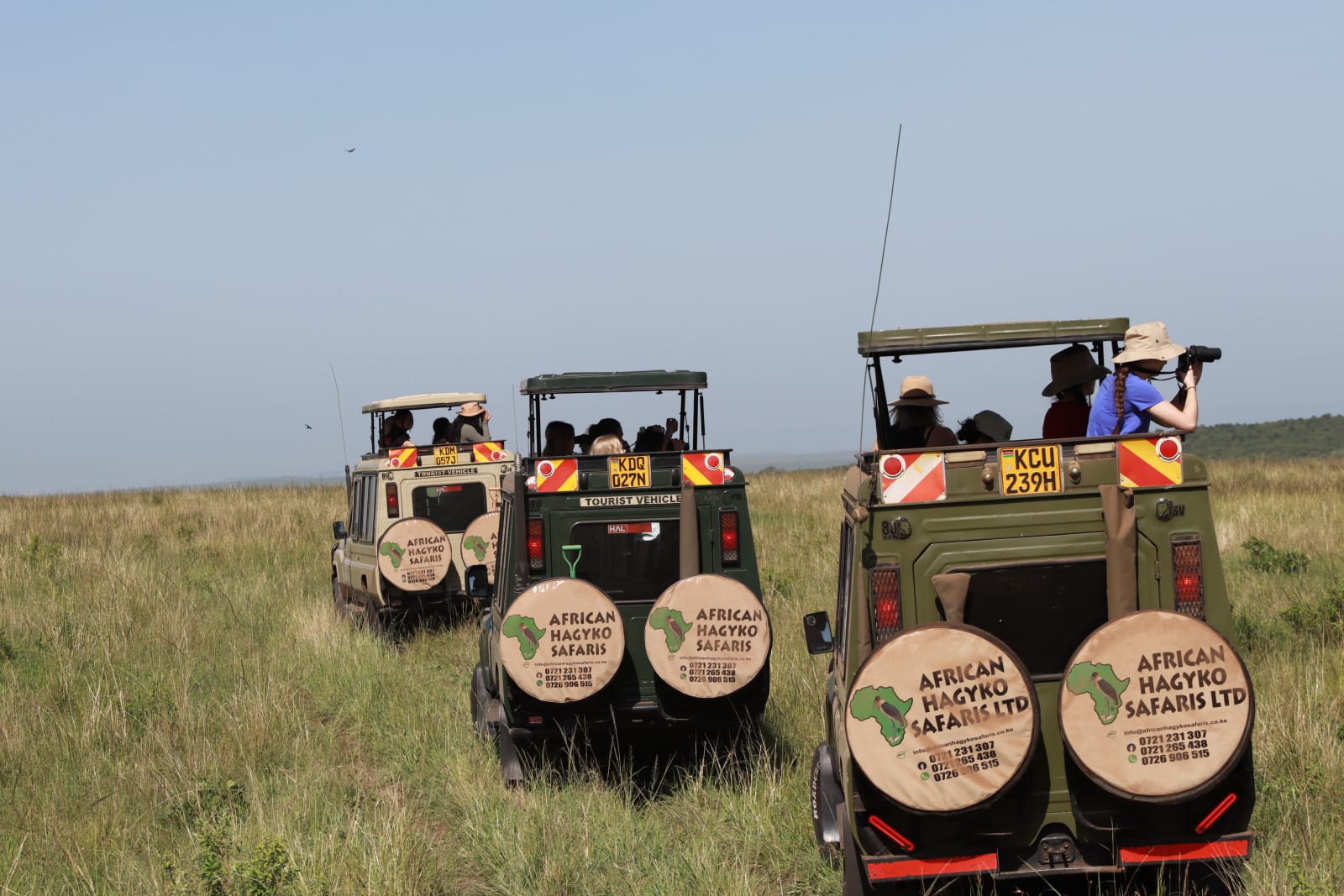
A guided game drive safari typically includes transportation in a specially equipped safari vehicle with an open or pop-up roof for optimal wildlife viewing and photography. Professional driver-guides provide expert knowledge about animal behavior, ecology, and local culture, narrating your experience and locating wildlife. Game drives usually last 3-4 hours, departing early morning or late afternoon when animals are most active. Most safaris include daily drinking water during drives to keep you hydrated in the African heat. Your guide will position the vehicle for the best viewing angles while maintaining safe distances from wildlife. Guides use radio communication with other vehicles to share wildlife sightings, increasing your chances of seeing rare or active animals. The quality of your experience largely depends on your guide's expertise, so professional, English-speaking guides are invaluable for both wildlife viewing and safety.
 African Hagyko SafarisNairobi, Kenya5.0(75 reviews)
© 2026 SafariFind. All rights reserved.
| $3,810 |