 1 / 9
1 / 9 10 daysprivate
10-Day Tanzania Grand Safari & Zanzibar Escape
Highlights
- Big Five game drives
Loading SafariFind...
1 / 9Arrival in Arusha - Gateway to Adventure
Arusha
Meals: Dinner
Tarangire's Elephant Paradise - Full Game Drive
Tarangire National Park
Meals: Breakfast, Lunch, Dinner
Journey to the Serengeti - Africa's Greatest Stage
Serengeti National Park
Meals: Breakfast, Lunch, Dinner
Serengeti Deep Dive - Big Five Game Drive Adventure
Serengeti National Park
Meals: Breakfast, Lunch, Dinner
Great Wildebeest Migration & Hot Air Balloon Safari
Serengeti National Park
Meals: Breakfast, Lunch, Dinner
Ngorongoro Crater - The Eighth Wonder of the World
Ngorongoro Crater
Meals: Breakfast, Lunch, Dinner
Kilimanjaro Day Hike - Lemosho Route Experience
Kilimanjaro National Park
Meals: Breakfast, Lunch, Dinner
Fly to Zanzibar - Paradise Awaits
Zanzibar Island
Meals: Breakfast, Lunch, Dinner
Zanzibar Beach Bliss & Island Exploration
Zanzibar Island
Meals: Breakfast, Lunch, Dinner
Departure from Paradise
Zanzibar Island
Meals: Breakfast
Year Round
Year-round
| Season | Solo traveler | 2 people | 3 – 4 people | 5 – 6 people | 7+ people | Child rate | Single suppl. |
|---|---|---|---|---|---|---|---|
Year Round Year-round | $8,910 | $3,420 | $5,350 | $5,050 | $4,750 | $4,160 | $1,780 |
Child rate applies to travelers under 12 years. Single supplement applies to solo travelers taking their own room.
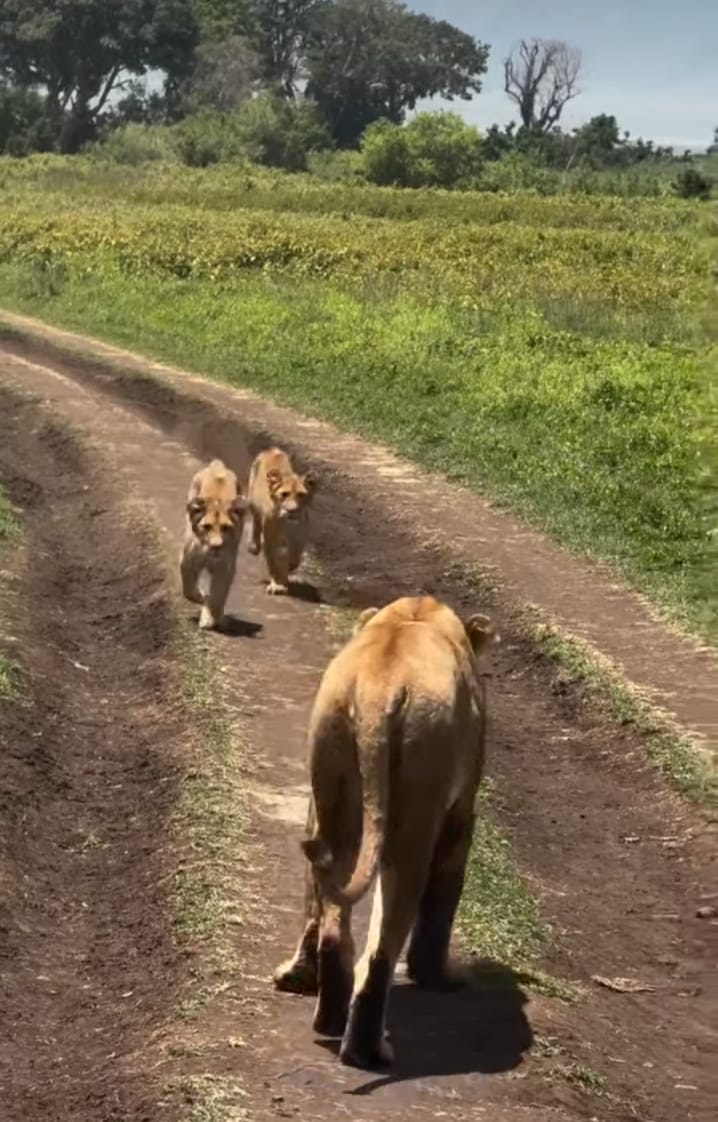
Tanzania's national parks are home to an incredible variety of wildlife. In Tarangire National Park, you'll encounter large elephant herds, buffalo, giraffes, zebras, and various antelope species. The Serengeti is famous for hosting the Great Migration of wildebeest and zebras, along with lions, leopards, cheetahs, and countless bird species. The Ngorongoro Conservation Area features a dense concentration of animals including rhinos, hyenas, flamingos, and more. Overall, Tanzania offers some of Africa's best opportunities to see the Big Five (lion, elephant, buffalo, leopard, and rhinoceros) in their natural habitats.
The best time to visit Tanzania depends on what you want to experience. The dry season from June to October offers excellent game viewing as animals congregate around water sources, and this is when the Great Migration typically occurs in the Serengeti. December to February is the short dry season with good wildlife viewing and fewer crowds. The wet season (November, March-May) brings lush landscapes and abundant birdlife, though some roads may be challenging. Most travelers prefer June to October for the most reliable wildlife encounters and comfortable safari conditions.
A 10-day Tanzania safari provides an excellent duration to experience multiple ecosystems and wildlife areas comprehensively. This timeframe allows you to spend quality time in Tarangire National Park, the Serengeti, and the Ngorongoro Conservation Area, giving you multiple game drive opportunities and increasing your chances of seeing diverse wildlife. Shorter safaris (3-5 days) can work but offer limited exploration, while 10 days strikes the perfect balance between experiencing Tanzania's major attractions and having time to relax and absorb the experience without feeling rushed.
The Ngorongoro Conservation Area is a UNESCO World Heritage Site featuring the world's largest intact volcanic caldera. This natural amphitheater descends 2,000 feet and contains a self-contained ecosystem with approximately 25,000 large animals, making it one of Africa's highest concentrations of wildlife. The area is unique because it combines wildlife conservation with the pastoral traditions of the Maasai people who live there. Visitors can descend into the crater for game drives and experience incredible biodiversity, including rare black rhinos, in a relatively compact area. The stunning landscape and accessibility make it one of Tanzania's most iconic destinations.
A Kilimanjaro day hike via the Lemosho Route is a moderate trek that's achievable for most people with reasonable fitness levels. The Lemosho Route is considered one of the most scenic approaches, offering beautiful forest and moorland environments. A day hike typically involves several hours of walking at altitude, which can cause mild altitude effects for some visitors. You'll experience changing ecosystems as you ascend, potentially reaching alpine meadows or higher elevations depending on the specific route segment. It's important to acclimatize properly, stay hydrated, wear appropriate gear, and follow your guide's pace. This experience provides a taste of Africa's highest peak without committing to a full summit attempt.
For a Tanzania safari, pack neutral-colored, lightweight clothing (khaki, beige, green) that blends into the landscape. Bring long sleeves and pants for sun protection and insect defense, plus a warm layer for early morning game drives when temperatures are cool. Essential items include a wide-brimmed hat, high-SPF sunscreen, sunglasses, and binoculars for wildlife viewing. For the Kilimanjaro day hike, pack sturdy hiking boots, extra layers, and a rain jacket. For Zanzibar's beaches, bring swimwear, light cotton clothing, reef-safe sunscreen, and a cover-up. Include a basic first-aid kit, any personal medications, and a universal power adapter. Quick-dry clothing is practical for the varied activities. Don't forget a camera or smartphone for capturing memories.
Visa requirements for Tanzania depend on your nationality. Many countries' citizens can obtain a visa on arrival at Tanzanian airports, while others must apply in advance at a Tanzanian embassy or consulate. Some nationalities may be eligible for visa-free entry or e-visa options. It's essential to check the current visa requirements with the Tanzanian immigration authority or your nearest embassy well before travel, as regulations can change. Most visitors should allow 2-4 weeks for visa processing if applying in advance. Ensure your passport is valid for at least six months beyond your travel dates, as this is typically required for entry.
While specific health requirements vary by individual and origin country, common recommendations for Tanzania include vaccinations for yellow fever, typhoid, and routine immunizations. Malaria is present in many areas, so antimalarial medication is often recommended, particularly for lower-altitude regions. Consult with a travel health clinic 4-6 weeks before departure to receive personalized medical advice based on your health history and specific itinerary. Other practical precautions include drinking bottled water (which is provided during game drives), using insect repellent, and taking precautions against sun exposure. Travel insurance that covers medical evacuation is highly recommended for remote safari areas.
Tanzania safari costs vary widely based on accommodation quality, season, and inclusions. Budget safaris may range from $1,500-$3,000 for 10 days, mid-range options typically cost $3,000-$6,000, and luxury safaris can exceed $6,000-$10,000+. Most safari packages include park fees, accommodation, meals, guides, and vehicle costs. Additional expenses typically include international airfare, travel insurance, visa fees, tips and gratuities, alcoholic beverages, and optional activities. The dry season (June-October) is generally more expensive due to higher demand and better wildlife viewing. Booking during shoulder seasons (May or November) can offer better value. Always compare what's included versus excluded when evaluating package prices.
The Great Migration is one of the world's most spectacular natural events, involving the annual movement of approximately 1.5 million wildebeest and hundreds of thousands of zebras across the Serengeti and Masai Mara ecosystems. This circular migration is driven by seasonal rainfall patterns and the search for fresh grazing lands. The migration typically follows a predictable annual cycle: wildebeest calve in the southern Serengeti (January-February), move northward through the central plains (May-June), cross into Kenya's Masai Mara (July-October), and return south (November-December). The Serengeti crossing in July-October offers dramatic river crossings and predator interactions. Witnessing this migration is considered a once-in-a-lifetime wildlife experience and a primary reason many travelers visit Tanzania.
© 2026 SafariFind. All rights reserved.
