11 daysprivate
11-Day Namibia Highlights - Dune, Desert & Wildlife
Highlights
- Climb Dune
- Desert Elephant Tracking
Loading SafariFind...
Windhoek - Sossusvlei
Sossusvlei
Meals: Dinner
Sossusvlei Excursion
Sossusvlei
Meals: Breakfast, Dinner
Sossusvlei - Swakopmund
Swakopmund
Meals: Breakfast
Swakopmund - Marine Dune Day Combo
Swakopmund
Meals: Breakfast
Swakopmund - Spitzkoppe
Spitzkoppe
Meals: Breakfast, Dinner
Spitzkoppe - Damaraland
Twyfelfontein
Meals: Breakfast, Dinner
Damaraland (Rock Paintings)
Twyfelfontein
Meals: Breakfast, Dinner
Damaraland - Etosha National Park
Etosha National Park
Meals: Breakfast, Lunch, Dinner
Etosha National Park
Etosha National Park
Meals: Breakfast, Lunch, Dinner
Etosha National Park - Windhoek
Windhoek
Meals: Breakfast
Windhoek Departure
Hosea Kutako International Airport
Meals: Breakfast
Year Round
Year-round
| Season | Solo traveller | 2 people | 3 – 4 people | 5 – 6 people | 7+ people | Child rate | Single suppl. |
|---|---|---|---|---|---|---|---|
Year Round Year-round | $5,297 | $3,531 | $3,178 | $3,001 | $2,825 | $2,472 | $1,059 |
Child rate applies to travelers under 12 years. Single supplement applies to solo travelers taking their own room.
Etosha National Park is one of Africa's premier wildlife destinations, home to an extraordinary variety of animals. You can expect to see lions, leopards, elephants, zebras, giraffes, antelopes, and numerous bird species. The park is particularly known for its large elephant populations and excellent opportunities to spot predators. The best wildlife viewing typically occurs around the waterholes during the dry season, where animals gather to drink. Etosha covers 22,275 square kilometers, making it vast enough to support diverse ecosystems and wildlife encounters throughout your visit.
The best time to visit Namibia is during the dry season, typically from May to September. During these months, wildlife congregates around waterholes in parks like Etosha, making game viewing more predictable and rewarding. The weather is also more pleasant for desert exploration, with cooler temperatures and lower humidity. The dry season offers excellent visibility for photography and hiking in areas like Sossusvlei and Damaraland. However, Namibia is a year-round destination—the wet season (November to March) brings lush landscapes and migratory birds, though some roads may be challenging and wildlife is more dispersed.
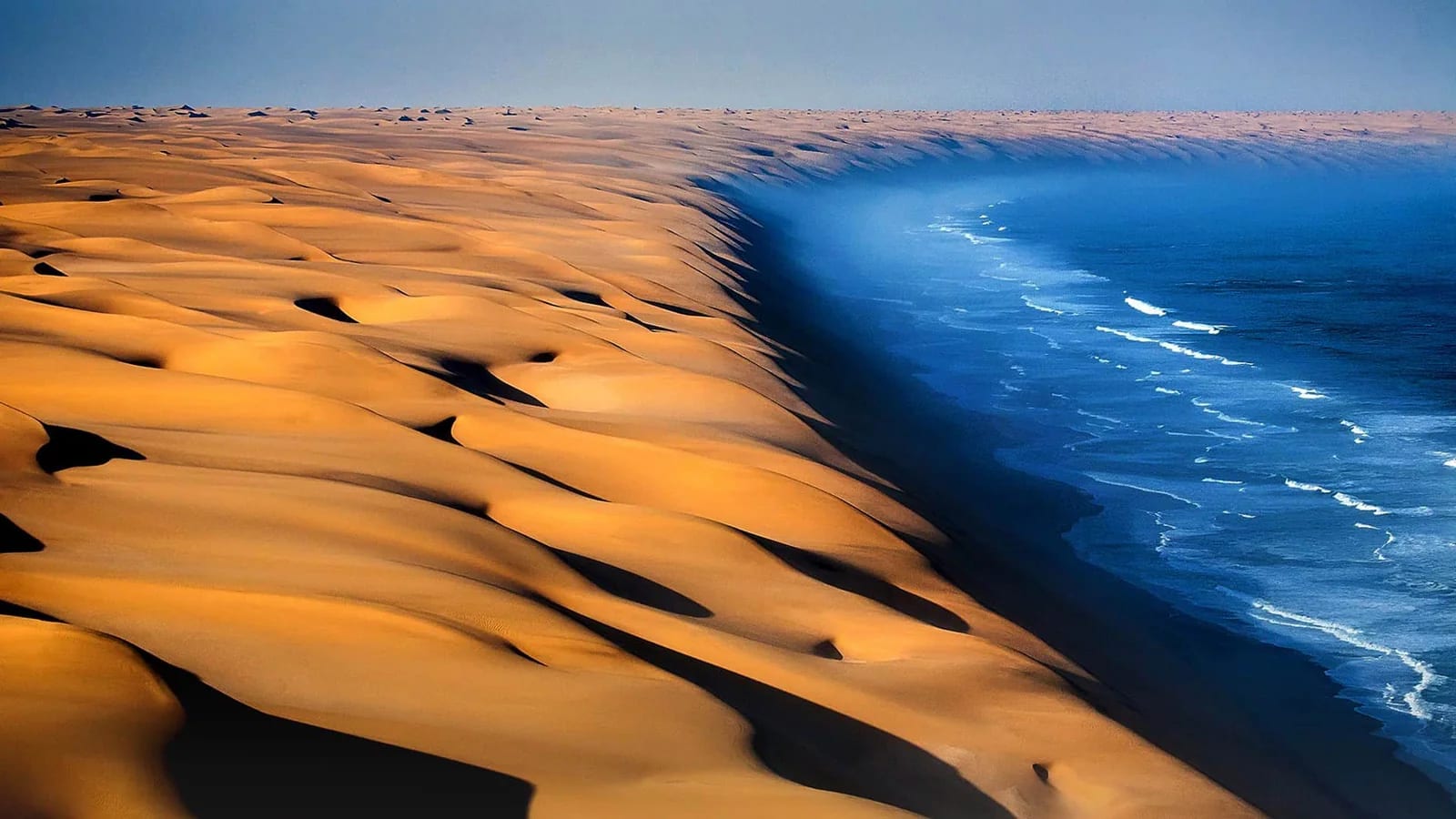
Sossusvlei features some of the world's highest sand dunes, with Big Daddy dune reaching approximately 380 meters. Climbing these dunes is physically demanding but rewarding. Most visitors start early in the morning to avoid the intense midday heat. The sand is soft and shifts underfoot, making the ascent challenging—expect it to take 45 minutes to an hour to reach the summit. Many travelers find it easier to walk up the ridgeline rather than the face. Proper footwear with good grip is essential, and bringing plenty of water is crucial. The sunrise views from the top are spectacular, making the effort worthwhile for most visitors.
For an 11-day Namibia adventure combining desert and wildlife experiences, pack: lightweight, breathable clothing in neutral colors for safari; a warm jacket or fleece for cool mornings and evenings; sturdy hiking boots for dune climbing and rocky terrain; a wide-brimmed hat and quality sunscreen for intense sun exposure; binoculars for wildlife viewing; a camera with extra batteries; and a reusable water bottle. Include casual evening wear for dinners at your accommodations. Bring any personal medications, toiletries, and a basic first-aid kit. Sunglasses are essential. Quick-dry clothing is practical for the varied activities. Consider bringing a lightweight scarf for sun protection and dust. Leave room in your luggage for souvenirs, and check your airline's baggage allowance for camera equipment.
Yes, Swakopmund is absolutely worth including in a Namibia itinerary. This charming coastal town offers a refreshing contrast to the desert and wildlife experiences elsewhere in the country. Swakopmund features German colonial architecture, excellent restaurants, and a relaxed atmosphere along the Atlantic Coast. The town serves as a gateway for unique activities like marine excursions, dune drives, and visits to nearby attractions. The cooler coastal climate provides a pleasant break from inland heat. Swakopmund also offers quality accommodations and is an ideal base for exploring the Skeleton Coast and surrounding desert areas. For many travelers, the blend of coastal scenery, adventure activities, and cultural experiences makes Swakopmund a highlight of their Namibia visit.
Damaraland and Spitzkoppe are renowned for their dramatic and ancient geological formations. Spitzkoppe, often called the 'Matterhorn of Africa,' is a striking granite mountain rising dramatically from the desert landscape, offering excellent hiking opportunities and panoramic views. The area features ancient San rock paintings and engravings that provide insight into indigenous cultures dating back thousands of years. Damaraland showcases otherworldly landscapes with distinctive rock formations, including the famous Burnt Mountain with its dark volcanic appearance contrasting against the surrounding terrain. The region also features Twyfelfontein, known for its extensive collection of ancient rock engravings. These geological wonders are not only visually spectacular but also hold significant archaeological and cultural importance, making them essential stops for understanding Namibia's natural and human history.
Yes, a 4x4 vehicle is essential for a comprehensive Namibia safari and desert tour. Many of the destinations included in a Namibian itinerary—such as Sossusvlei, Etosha National Park, and Damaraland—require high-clearance, four-wheel-drive vehicles to navigate sandy tracks, rough terrain, and remote areas safely. A 4x4 provides better access to wildlife viewing areas, allows you to reach otherwise inaccessible scenic spots, and offers superior comfort on unpaved roads. Professional safari operators use well-maintained 4x4 vehicles equipped for the challenging Namibian landscape. The vehicle also provides protection from the elements and allows guides to position you optimally for wildlife encounters. While some main highways are paved, attempting the full desert and safari experience without a 4x4 would severely limit your access to key destinations and experiences.
Namibia offers exceptional wildlife photography opportunities, particularly in Etosha National Park, where animals gather predictably around waterholes. The park's open landscape and good visibility make it ideal for capturing images of lions, elephants, giraffes, and other wildlife. The dramatic desert scenery of Sossusvlei provides stunning landscape photography, especially during sunrise and sunset when lighting is optimal. Damaraland and Spitzkoppe offer unique opportunities to photograph ancient rock formations and geological features. The varied terrain—from red dunes to rocky outcrops to grasslands—creates diverse photographic backdrops. Early morning and late afternoon light is particularly favorable for photography. Bring a good camera with a telephoto lens, extra batteries, and protective gear for sand and dust. Professional guides can position your vehicle for optimal wildlife shots and advise on the best photography locations and times.
Most comprehensive Namibia safari packages include all three daily meals—breakfast, lunch, and dinner—as part of the package cost. Breakfasts are typically hearty and served early to prepare for morning activities. Lunches may be packed for days spent in the field or served at your accommodation. Dinners are usually more substantial affairs served at your lodge or camp, often featuring local Namibian cuisine alongside international options. The quality and variety of meals depend on your accommodation level, but operators generally ensure nutritious, well-prepared food that caters to different dietary requirements. Beverages like tea, coffee, and water are typically included, though alcoholic beverages are usually excluded and available for purchase. It's advisable to inform your operator of any dietary restrictions or preferences in advance. The inclusion of all meals simplifies logistics and allows you to focus on experiences rather than searching for restaurants, though opportunities to dine independently in towns like Swakopmund are usually available.
An 11-day Namibia safari tour involves moderate to high physical demands depending on your choices and fitness level. Activities like climbing the dunes at Sossusvlei and hiking in Spitzkoppe and Damaraland require reasonable fitness and stamina, as you'll be walking on soft sand and rocky terrain in hot conditions. Game drives in Etosha are less strenuous, involving extended periods of sitting in a vehicle, though early starts and long days can be tiring. The combination of heat, altitude changes, and activity levels means you should be in reasonable health. However, most activities can be modified—you can choose shorter hikes or skip strenuous options if needed. The itinerary typically includes rest periods and varied activities to prevent fatigue. Discuss any physical limitations or health concerns with your operator beforehand so they can suggest modifications. Proper hydration, sun protection, and pacing yourself throughout the day will help you enjoy the experience comfortably.
© 2026 SafariFind. All rights reserved.

