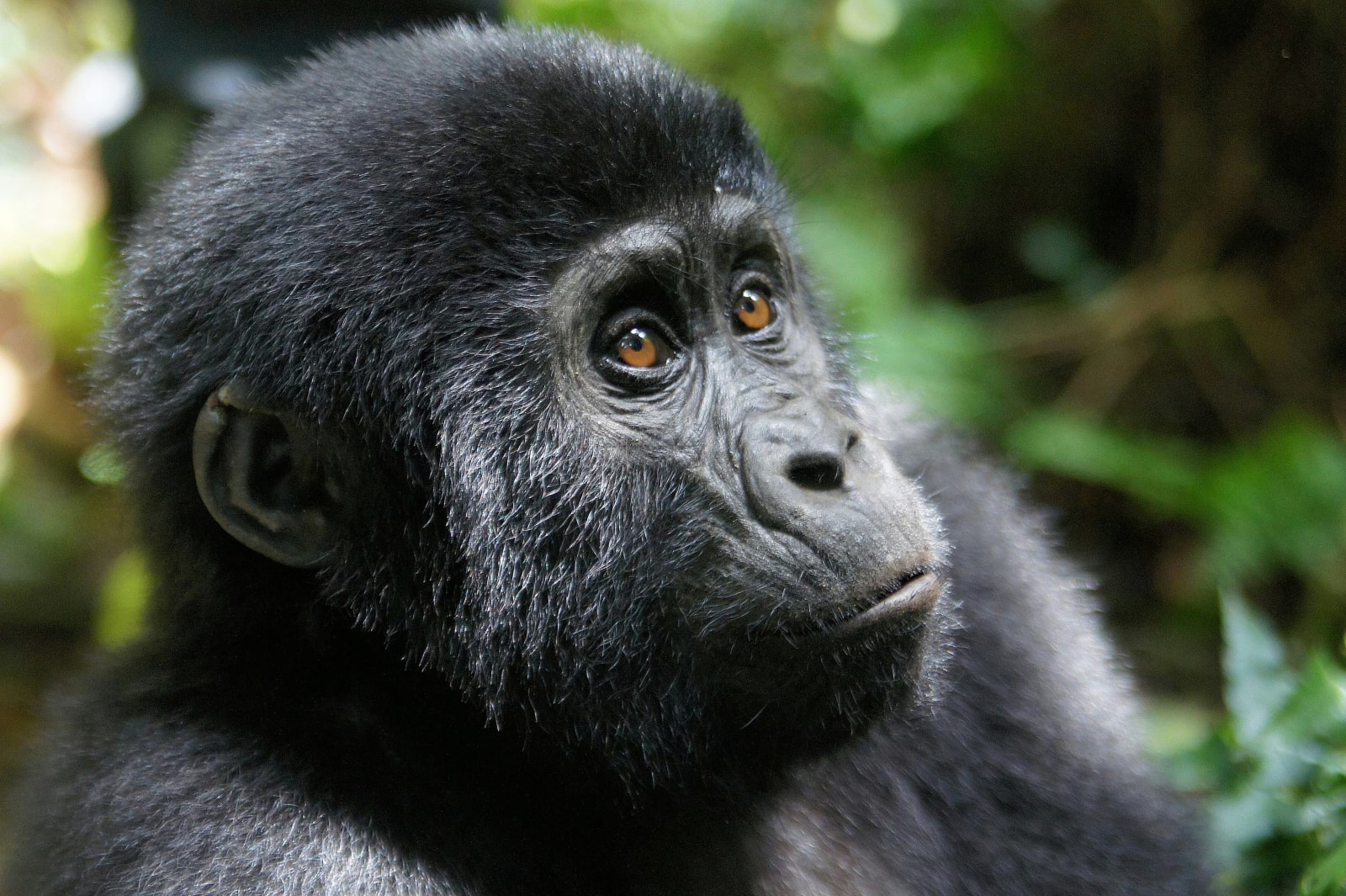
 1 / 81 / 8
Loading SafariFind...
1 / 8Arrival in Kigali - Rwanda's Vibrant Capital
Kigali
Meals: Dinner
Journey to Musanze - Gateway to Gorilla Country
Musanze
Meals: Breakfast, Lunch, Dinner
Checkout and transfer to Bwindi, Visit the Batwa Community
Bwindi Impenetrable Forest
Meals: Breakfast, Lunch, Dinner
Gorilla Trekking and Forest Exploration
Bwindi Impenetrable Forest
Meals: Breakfast, Lunch, Dinner
Transition to Queen Elizabeth National Park
Queen Elizabeth National Park
Meals: Breakfast, Lunch, Dinner
Queen Elizabeth Game Drives and Boat Safari
Queen Elizabeth National Park
Meals: Breakfast, Lunch, Dinner
Journey to Kibale National Park - Chimpanzee Territory
Kibale Forest National Park
Meals: Breakfast, Lunch, Dinner
Chimpanzee Trekking in Kibale Forest
Kibale Forest National Park
Meals: Breakfast, Lunch, Dinner
Departure to Murchison Falls National Park
Murchison Falls National Park
Meals: Breakfast, Lunch, Dinner
Game drive and Boat Safari
Murchison Falls National Park
Meals: Breakfast, Lunch, Dinner
Murchison Falls Visit, Rhino Tracking and transfer to Entebbe
Entebbe
Meals: Breakfast, Lunch, Dinner
Departure from Entebbe International Airport
Entebbe International Airport
Meals: Breakfast
High Season
Jun 2026 – Oct 2026
Low Season
Nov 2026 – May 2027
| Season | Solo traveller | 2 people | 3 – 4 people | 5 – 6 people | 7+ people | Child rate | Single suppl. |
|---|---|---|---|---|---|---|---|
High Season Jun 2026 – Oct 2026 | $11,000 | $8,800 | $7,920 | $7,480 | $7,040 | $8,800 | $2,640 |
Low Season Nov 2026 – May 2027 | $9,350 | $7,480 |
Child rate applies to travelers under 12 years. Single supplement applies to solo travelers taking their own room.
Gorilla trekking in Rwanda and Uganda is possible year-round, but the dry seasons offer the most comfortable conditions. June to August and December to February are ideal, with less rain, fewer muddy trails, and better visibility in the misty mountains. However, the rainy seasons (March to May and September to November) bring lush, verdant landscapes and fewer tourists, creating more intimate wildlife encounters. If you're sensitive to wet conditions, plan your trip during the dry seasons. Regardless of when you visit, gorilla trekking requires preparation for cool, misty mountain weather—pack layers and waterproof gear.
Mountain gorilla trekking requires moderate physical fitness. Treks typically last between 2 to 8 hours depending on where the gorilla families are located and the terrain you must traverse. The altitude of 8,000 to 10,000 feet, combined with steep, muddy forest paths, makes this a challenging but achievable activity for most reasonably fit travelers. Proper hiking boots with good grip are essential. The good news: porters are available to assist you with your pack and provide support along the way. The profound experience of coming face-to-face with these magnificent creatures makes every step worthwhile. If you have mobility concerns, discuss them with your guide in advance—they can advise on feasibility and provide additional support.
A Rwanda-Uganda safari offers extraordinary biodiversity across multiple ecosystems. Beyond the iconic mountain gorillas, you'll encounter chimpanzees in Kibale National Park, various monkey species including colobus and mangabeys, forest elephants, African buffalo, lions, hippopotamuses, and numerous antelope species. The parks are also birding paradises, with hundreds of bird species including the rare African fish eagle. Queen Elizabeth National Park is particularly known for its large elephant populations and crater lakes, while Murchison Falls National Park offers dramatic Nile River landscapes and abundant savanna wildlife. Each destination provides distinct ecosystems—from dense forests to open savannas—ensuring diverse and memorable wildlife encounters throughout your 12-day journey.
Yes, absolutely. A 12-day Rwanda-Uganda safari is excellent for first-time safari-goers. While gorilla trekking requires moderate physical preparation and mental readiness for challenging terrain, the experience is designed to be accessible to travelers of varying experience levels. Professional, English-speaking guides provide expert support and all necessary instruction. The itinerary balances the transformative gorilla trekking experience with diverse activities—wildlife drives, chimpanzee tracking, boat safaris, and cultural encounters—ensuring something engaging for everyone, whether you're a wildlife photographer, nature enthusiast, or adventure seeker. The combination of immersive experiences and comfortable mid-range accommodations makes this an ideal introduction to African safari travel.
Pack for varied terrain and unpredictable weather. Essential items include sturdy, waterproof hiking boots with excellent grip (muddy forest paths are slippery), moisture-wicking layers (the mountains are cool and misty), a quality waterproof rain jacket, and a warm fleece or sweater for early mornings and higher elevations. Bring long, lightweight pants and long-sleeved shirts to protect from insects and vegetation. A wide-brimmed hat, sunscreen, and insect repellent are crucial. Pack binoculars for wildlife viewing and a camera with extra batteries (moisture is an issue in forests). Bring a daypack with water, snacks, and a small first-aid kit. For accommodations, casual, comfortable clothing is appropriate. Don't forget toiletries, any personal medications, and a headlamp or flashlight. Leave heavy luggage in Kigali or Entebbe, as you'll only need a day pack for trekking days.
While specific health requirements depend on your home country and current disease prevalence, travelers to Uganda and Rwanda typically need protection against malaria, yellow fever, typhoid, and routine vaccinations. Yellow fever vaccination is often recommended, and some countries require proof of vaccination for entry. Malaria prophylaxis is advised, particularly for lower-altitude areas like Queen Elizabeth and Murchison Falls National Parks (gorilla regions at higher elevations have lower malaria risk). Consult your travel doctor or visit the CDC and WHO websites 4-6 weeks before departure to receive personalized health recommendations based on your itinerary, medical history, and current health advisories. Travel insurance that covers medical evacuation is also strongly recommended. Your tour operator can provide guidance on health precautions, but final medical decisions should be made with a qualified travel health professional.
A dedicated gorilla trekking experience typically requires 2-3 days minimum—one full day for trekking and gorilla encounters, plus travel days to and from the forest. However, a 12-day itinerary is ideal because it allows you to spend multiple days in gorilla country while also exploring other remarkable wildlife destinations. This extended timeframe reduces pressure (gorilla sightings aren't guaranteed on a single trek, though success rates are high) and lets you experience the full richness of Rwanda and Uganda's ecosystems. If gorilla trekking is your primary goal, allocate at least 2-3 days in Bwindi Impenetrable Forest or Volcanoes National Park. The longer your trip, the more wildlife you'll encounter and the more immersive your overall experience becomes.
A comprehensive safari package typically includes all national park entrance fees (critical for gorilla permits, which are expensive but essential), professional English-speaking guide services throughout your journey, accommodation at mid-range lodges and camps, all meals (breakfast, lunch, and dinner daily), private 4x4 safari vehicle transportation, airport transfers, bottled water during game drives, and government taxes and VAT. This ensures you have everything needed for a seamless, immersive experience without logistical stress. However, packages usually exclude international airfare, travel insurance (highly recommended), visa fees, alcoholic beverages, tips and gratuities for guides and staff, personal expenses, optional activities, and travel vaccinations. Review your specific package details carefully and budget separately for these exclusions, particularly comprehensive travel insurance and gorilla permit fees.
Yes, Uganda is one of the best destinations in Africa to see wild chimpanzees. Kibale National Park, one of the stops on a Rwanda-Uganda safari, is renowned for its thriving chimpanzee populations and other forest primates. Chimpanzee habituation and tracking experiences in Kibale are similar to gorilla trekking—guides lead you through dense forest to locate family groups, offering extraordinary opportunities to observe their behavior, social dynamics, and intelligence in their natural habitat. Kibale is also home to numerous other primate species, including colobus monkeys, mangabeys, and various other primates, making it a primate-lover's paradise. The combination of gorilla trekking in Bwindi and chimpanzee tracking in Kibale creates a uniquely comprehensive primate safari experience that few destinations in the world can match.
Murchison Falls National Park is one of Uganda's most spectacular destinations, famous for its dramatic natural wonder: the Nile River thundering through a narrow gorge to create the powerful Murchison Falls. This park offers diverse safari experiences—game drives through savanna landscapes where you'll spot elephants, lions, buffalo, giraffes, and countless antelope species, plus boat safaris on the Nile where you can see hippos, crocodiles, and water birds up close. The park's varied ecosystems, from riverine forests to open plains, support exceptional wildlife diversity. Murchison Falls is also culturally significant and offers insights into Uganda's natural heritage. The combination of dramatic geology, abundant wildlife, and boat safari experiences makes it an essential stop on a comprehensive Uganda safari, complementing the forest-based experiences of gorilla and chimpanzee trekking.
 Gatsio SafarizKampala, Uganda5.0(42 reviews)
© 2026 SafariFind. All rights reserved.

| $6,732 |
| $6,358 |
| $5,984 |
| $8,800 |
| $2,640 |