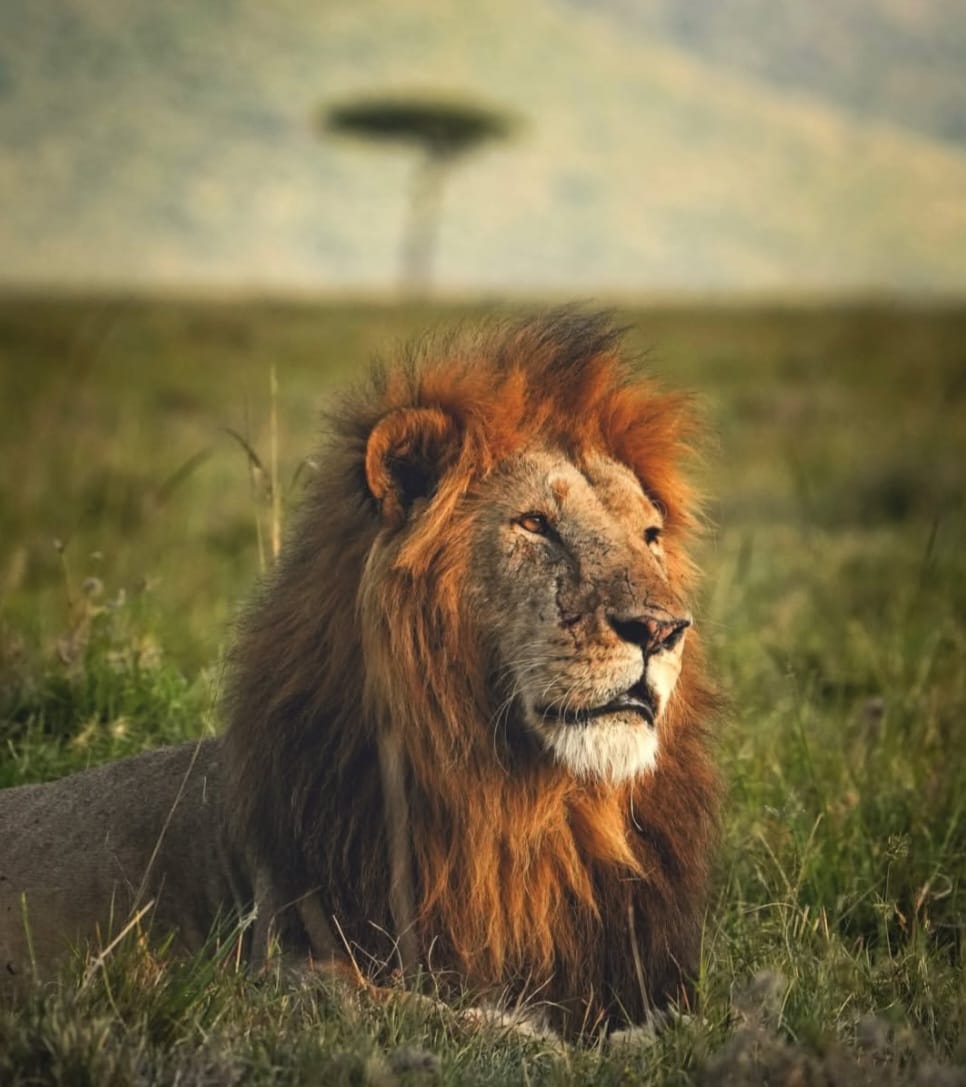
 1 / 7
1 / 7 12 daysshared
12-Day Safari Adventure & Zanzibar Paradise
Highlights
- Guided Game Drive
Loading SafariFind...
1 / 7Arrival In Arusha
Arusha
Meals: Lunch, Dinner
Tarangire National Park
Tarangire National Park
Meals: Breakfast, Lunch, Dinner
Serengeti National Park
Serengeti National Park
Meals: Breakfast, Lunch, Dinner
Serengeti National Park
Serengeti National Park
Meals: Breakfast, Lunch, Dinner
Serengeti National Park
Serengeti National Park
Meals: Breakfast, Lunch, Dinner
Serengeti National Park
Serengeti National Park
Meals: Breakfast, Lunch, Dinner
Ngorongoro Crater
Ngorongoro Crater
Meals: Breakfast, Lunch, Dinner
Lake Manyara National Park
Lake Manyara National Park
Meals: Breakfast, Lunch, Dinner
Lake Eyasi
Lake Eyasi
Meals: Breakfast, Lunch, Dinner
Zanzibar Island
Arusha
Meals: Breakfast, Lunch, Dinner
Zanzibar Island
Zanzibar Island
Meals: Breakfast, Lunch, Dinner
Zanzibar Island
Abeid Amani Karume International Airport
Meals: Breakfast
Year Round
Year-round
| Season | Solo traveller | 2 people | 3 – 4 people | 5 – 6 people | 7+ people | Child rate | Single suppl. |
|---|---|---|---|---|---|---|---|
Year Round Year-round | $4,985 | $3,323 | $2,991 | $2,825 | $2,658 | $2,326 | $997 |
Child rate applies to travelers under 12 years. Single supplement applies to solo travelers taking their own room.
Tanzania is home to an incredible variety of wildlife, including the famous Big Five: lions, elephants, buffalo, leopards, and rhinoceros. Beyond these iconic species, you'll encounter giraffes, zebras, wildebeest, gazelles, hyenas, cheetahs, warthogs, and numerous bird species. The specific animals you see depend on which parks and regions you visit and the time of year. Tanzania's diverse ecosystems—from the Serengeti plains to the Ngorongoro Crater—support different wildlife populations, making each safari unique. Most comprehensive safari packages include multiple parks to maximize your chances of encountering a wide range of species.
A 12-day safari is considered an excellent duration for experiencing Tanzania's wildlife and natural wonders comprehensively. This timeframe allows you to visit multiple national parks and game reserves without feeling rushed, giving you ample opportunity for game drives and wildlife viewing. Shorter safaris of 3-5 days are possible but more limited in scope, while longer safaris of 14+ days provide even deeper immersion. A 12-day itinerary typically balances wildlife exploration with relaxation, often including time at beach destinations like Zanzibar after the safari portion.
The best time for a Tanzania safari is during the dry seasons: June to October (the long dry season) and January to February (the short dry season). During these periods, vegetation is sparse, wildlife congregates around water sources, and visibility for game viewing is excellent. The dry season also means fewer insects and more comfortable temperatures. However, Tanzania can be visited year-round. The wet seasons (November to December and March to May) bring lush landscapes, fewer tourists, and excellent bird watching, though some roads may be challenging. Your choice depends on your priorities—whether you prefer optimal wildlife viewing or a more budget-friendly, greener landscape experience.
Essential items for a Tanzania safari include lightweight, neutral-colored clothing (khaki, tan, olive, or brown) that blends with the landscape and doesn't disturb wildlife. Bring layers for early morning and evening game drives when temperatures drop. Pack a wide-brimmed hat, high-SPF sunscreen, sunglasses, and a lightweight rain jacket for the rainy season. Comfortable walking shoes and closed-toe hiking boots are important for terrain navigation. Don't forget binoculars for wildlife viewing, a camera with extra batteries and memory cards, and any personal medications. Toiletries should include insect repellent, moisturizer for the dry climate, and any prescription items. Many safari packages provide bottled water and snacks, but bringing a refillable water bottle is practical. Check specific requirements for malaria prophylaxis and travel vaccinations with your healthcare provider.
Visa requirements for Tanzania depend on your nationality. Many countries' citizens can obtain a visa on arrival at Tanzanian airports, while others can apply for an e-visa online before travel. Some nationalities may be exempt from visa requirements for short stays. It's essential to check the current visa requirements with the Tanzanian embassy or consulate in your country well in advance of your travel dates, as regulations can change. Your passport should be valid for at least six months beyond your intended stay. A reputable tour operator based in Tanzania can often provide guidance on visa requirements and may assist with the application process.
Before traveling to Tanzania, consult with a travel medicine clinic or your healthcare provider at least 4-6 weeks before departure. Malaria prophylaxis is typically recommended for most regions, particularly at lower altitudes. Common recommended vaccinations include those for yellow fever, typhoid, hepatitis A and B, and routine immunizations. Some areas may require proof of yellow fever vaccination for entry. Ensure your routine vaccinations are up to date. Bring a basic medical kit with items like pain relievers, anti-diarrheal medication, antihistamines, and any personal prescription medications in their original containers. Travel insurance that covers medical evacuation is highly advisable. Drink only bottled or purified water, and be cautious with food hygiene, particularly with street food.
The cost of a 12-day Tanzania safari varies significantly based on accommodation quality, season, and included services. Budget safaris may range from $2,000 to $4,000 per person, mid-range options typically fall between $4,000 and $8,000, while luxury safaris can exceed $10,000 per person. Most comprehensive packages include accommodation, all meals, park entrance fees, a private 4x4 vehicle, and a professional guide, which represents significant value. However, international flights, travel insurance, visa fees, and personal expenses are typically additional costs. Traveling during the wet season (November to December or March to May) is often more affordable than peak season (June to October). Booking with established tour operators in Tanzania can provide competitive pricing and ensure quality service.
Tanzania is generally considered a safe destination for safari tourism, with millions of visitors traveling safely each year. The safari industry is well-established, and professional tour operators follow strict safety protocols. Wildlife encounters are managed carefully by experienced guides who understand animal behavior and maintain appropriate distances. However, like any travel, it's wise to take standard safety precautions: avoid displaying valuable items, use registered taxis, and stay aware of your surroundings in urban areas. Check current travel advisories from your government before booking. Travel insurance is highly recommended. Working with reputable, established tour operators—particularly those based in major safari hubs like Arusha—significantly enhances your safety and overall experience. Professional guides are trained in wildlife safety and emergency procedures.
Absolutely. Tanzania offers the unique opportunity to combine world-class safari experiences with pristine beach destinations. Zanzibar is the most popular beach destination paired with a Tanzania safari, famous for its white-sand beaches, crystal-clear turquoise waters, and rich cultural heritage. Pemba Island and the Tanzanian coast near Dar es Salaam are also excellent alternatives. A typical itinerary dedicates the first portion to safari game drives in national parks and reserves, then concludes with several days of beach relaxation. This combination allows you to experience Africa's most iconic wildlife and landscapes, then unwind on tropical beaches—creating a perfectly balanced vacation. Many tour operators specialize in these combined itineraries, making logistics seamless.
A comprehensive Tanzania safari package typically includes accommodation at lodges or camps, all meals (breakfast, lunch, and dinner), park entrance fees, transportation in a private 4x4 safari vehicle, and a professional English-speaking guide. Most packages also provide bottled water during game drives, snacks, binoculars, and airport transfers. Some operators supply amenities like charging ports and cold drinks in vehicles for added comfort. However, packages vary—some exclude international flights, travel insurance, visa fees, alcoholic beverages, tips and gratuities, and optional activities. Always review the inclusions and exclusions carefully before booking. Travel insurance is highly recommended and typically purchased separately. Understanding exactly what's covered helps you budget accurately and avoid surprises. Reputable operators provide detailed itineraries clearly outlining all inclusions.
© 2026 SafariFind. All rights reserved.

