 1 / 8
1 / 8 12 daysshared
12-Day Tanzania Northern Circuit Safari & Zanzibar Beach Escape
Highlights
- Bird Watching
Loading SafariFind...
1 / 8Arrival in Arusha
Arusha
Meals: Dinner
Tarangire National Park - Wildlife Introduction
Tarangire National Park
Meals: Breakfast, Lunch, Dinner
Serengeti National Park
Serengeti National Park
Meals: Breakfast, Lunch, Dinner
Serengeti National Park
Serengeti National Park
Meals: Breakfast, Lunch, Dinner
Full Day in Serengeti - Game Drives & Wildlife
Serengeti National Park
Meals: Breakfast, Lunch, Dinner
Serengeti to Ngorongoro Crater
Ngorongoro Crater
Meals: Breakfast, Lunch, Dinner
Lake Manyara National Park
Lake Manyara National Park
Meals: Breakfast, Lunch, Dinner
Lake Eyasi
Lake Eyasi
Meals: Breakfast, Lunch, Dinner
Materuni Waterfalls
Materuni Waterfalls
Meals: Breakfast, Lunch, Dinner
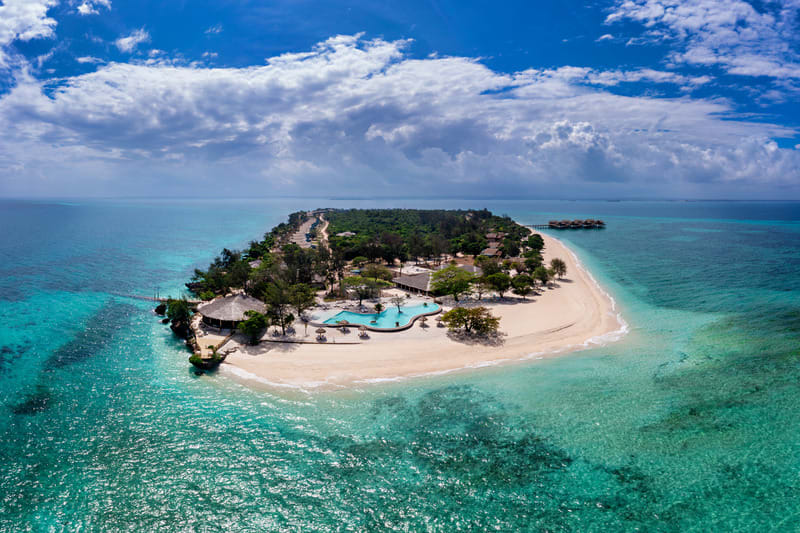
Zanzibar Beach Relaxation
Zanzibar Island
Meals: Breakfast, Lunch, Dinner
Zanzibar Excursion
Zanzibar Island
Meals: Breakfast, Lunch, Dinner
Departure from Zanzibar
Zanzibar Island
Meals: Breakfast
Year Round
Year-round
| Season | Solo traveler | 2 people | 3 – 4 people | 5 – 6 people | 7+ people | Child rate | Single suppl. |
|---|---|---|---|---|---|---|---|
Year Round Year-round | $6,000 | $2,040 | $3,600 | $3,400 | $3,200 | $2,800 | $1,200 |
Child rate applies to travelers under 12 years. Single supplement applies to solo travelers taking their own room.
The Tanzania Northern Circuit is home to an incredible variety of wildlife. You can expect to see the Big Five (lions, leopards, elephants, buffalo, and rhinoceros), along with zebras, giraffes, wildebeest, antelopes, hyenas, and numerous bird species. Tarangire National Park is particularly known for its large elephant herds, while the Serengeti offers year-round wildlife viewing and the famous Great Migration. Ngorongoro Crater provides a unique ecosystem where you can spot animals concentrated in a natural amphitheater, making wildlife viewing exceptionally rewarding.
The best time to visit Tanzania for a safari depends on what you want to experience. The dry seasons (June to October and January to February) offer the best wildlife viewing because animals congregate around water sources, making them easier to spot. June to October is ideal for witnessing the Great Migration in the Serengeti. The wet season (November to May) is less crowded, features lush landscapes, and is excellent for bird watching, though some roads may be challenging. Most travelers prefer the dry season for optimal game viewing and comfortable conditions.
For the safari portion, pack neutral-colored clothing (khaki, tan, green) to blend with the landscape, including long-sleeved shirts and pants for sun protection and insect avoidance. Bring a warm layer for early morning game drives when temperatures drop. Essential items include a wide-brimmed hat, sunscreen, insect repellent, binoculars, and a camera with extra batteries. For the Zanzibar beach portion, pack lightweight summer clothing, swimwear, reef-safe sunscreen, and casual evening wear. Comfortable walking shoes are crucial for both safari and beach exploration. Don't forget any personal medications and toiletries, as some items may be limited in remote areas.
While shorter safaris of 3 to 5 days are possible, a 12-day safari itinerary like the Tanzania Northern Circuit is ideal for experiencing the full scope of the region's wildlife and landscapes. This duration allows you to spend multiple days in each major destination—Tarangire, Serengeti, and Ngorongoro Crater—increasing your chances of exceptional wildlife encounters. The extended timeframe also reduces travel fatigue and provides time to relax on Zanzibar's beaches. If you have less time, a minimum of 5 to 7 days is recommended to make the journey worthwhile, though you'll see less of each destination.
Tanzania is generally considered safe for tourists, and safari travel is a well-established and secure activity. The Northern Circuit is one of Africa's most popular safari destinations with excellent infrastructure, experienced guides, and established safety protocols. However, as with any international travel, it's wise to take standard precautions: avoid displaying valuable items, stay aware of your surroundings in towns, and follow your guide's instructions during game drives. Check current travel advisories from your government before booking. Travel insurance is highly recommended to cover unexpected situations. Professional safari operators maintain strict safety standards and employ trained, English-speaking guides who prioritize visitor safety.
A comprehensive Tanzania safari package typically includes park entrance fees to all destinations, accommodation throughout your journey, all meals (breakfast, lunch, and dinner), professional English-speaking guides, bottled water during game drives, and airport transfers. Government taxes and VAT are usually covered. However, international airfare, travel insurance, visa fees, alcoholic beverages, tips and gratuities, and optional activities are typically not included. It's important to clarify exactly what's covered when booking, as inclusions can vary between operators. Personal expenses such as laundry, phone calls, and souvenirs are your responsibility.
Visa requirements for Tanzania depend on your nationality. Many countries' citizens can obtain a visa on arrival at Tanzanian airports, while others need to apply in advance at a Tanzanian embassy or consulate. Some nationalities qualify for visa-free entry or can apply for an e-visa online before travel. It's essential to check the current visa requirements for your specific country well before your trip, as regulations can change. Your travel agent or the Tanzanian immigration website can provide the most up-to-date information. Additionally, ensure your passport is valid for at least six months beyond your intended departure date.
The cost of a Tanzania safari varies significantly based on factors including accommodation quality (budget, mid-range, or luxury), season of travel, group size, and specific itinerary. A 12-day Northern Circuit safari with beach time can range from moderate to premium pricing depending on lodge standards. Budget safaris may start lower, while luxury lodges and private camps command higher rates. Package inclusions matter—comprehensive packages covering meals, guides, and park fees offer better value than those requiring additional payments. The shoulder seasons (March to May and November) often provide better rates than peak season. It's recommended to compare multiple operators and packages to find the best value for your budget and preferences.
Vaccination requirements and recommendations for Tanzania vary based on your medical history and the specific regions you'll visit. Yellow fever vaccination is often recommended, and some countries may require proof of yellow fever vaccination for entry if you're traveling from Tanzania. Malaria prophylaxis is typically recommended for most safari destinations in Tanzania, particularly at lower altitudes. Routine vaccinations (measles, polio, tetanus) should be up to date. Consult with a travel medicine specialist or your healthcare provider at least 4 to 6 weeks before your trip to receive personalized recommendations based on your health status and itinerary. They can also advise on malaria prevention strategies and any health precautions specific to Zanzibar.
Yes, you can witness the Great Migration on a Tanzania safari, particularly in the Serengeti, which is one of the best locations to view this natural spectacle. The migration's timing varies seasonally: it typically moves through the Serengeti from June to October as millions of wildebeest, zebras, and gazelles follow the rains. However, the migration's exact location and timing depend on rainfall patterns, so sightings aren't guaranteed. A 12-day itinerary that includes extended time in the Serengeti significantly increases your chances of witnessing this incredible event. For the best odds, travel during the dry season (June to October) and work with an experienced operator who understands migration patterns and can position you optimally.
The Ngorongoro Crater is a UNESCO World Heritage Site and one of Africa's most remarkable natural wonders—a massive volcanic caldera that descends about 2,000 feet and spans roughly 12 miles across. What makes it exceptional for safari is the unique ecosystem within the crater floor, which supports a permanent population of wildlife including lions, elephants, buffalo, zebras, and flamingos. The crater's natural walls create a contained environment where animals have limited migration routes, making wildlife viewing exceptionally concentrated and reliable. You can often spot multiple species within a single game drive. The crater also offers stunning panoramic views and is culturally significant to the Maasai people who graze their cattle on the crater rim, making it a complete safari experience combining wildlife, geology, and culture.
© 2026 SafariFind. All rights reserved.
