13 daysprivate
13-Day Wildebeest Migration Safari with Zanzibar (July to October)
Highlights
- Big five
- Beach relaxation
Loading SafariFind...
ARRIVAL AT KILIMANJARO AIRPORT
Meals: Dinner
Arusha to Manyara national Pack
Meals: Breakfast, Lunch, Dinner
Serengeti Exploration
Meals: Breakfast, Lunch, Dinner
Northern Serengeti & Wildebeest Migration
Meals: Breakfast, Lunch, Dinner
Migration & Cultural Encounters
Meals: Breakfast, Lunch, Dinner
Serengeti Wildlife & Photography
Meals: Breakfast, Lunch, Dinner
Central Serengeti Transition
Meals: Breakfast, Lunch, Dinner
Ngorongoro Crater Exploration
Meals: Breakfast, Lunch, Dinner
Tarangire National Park Safari
Meals: Breakfast, Lunch, Dinner
Journey to Zanzibar Island
Meals: Breakfast, Lunch, Dinner
Zanzibar Beach & Cultural Exploration
Meals: Breakfast, Lunch, Dinner
Zanzibar Island Adventures
Meals: Breakfast, Lunch, Dinner
Departure from Zanzibar
Meals: Breakfast
Year Round
Year-round
| Season | Solo traveler | 2 people | 3 – 4 people | 5 – 6 people | 7+ people | Child rate | Single suppl. |
|---|---|---|---|---|---|---|---|
Year Round Year-round | $16,040 | $10,700 | $9,630 | $9,090 | $8,560 | $7,490 | $3,210 |
Child rate applies to travelers under 12 years. Single supplement applies to solo travelers taking their own room.
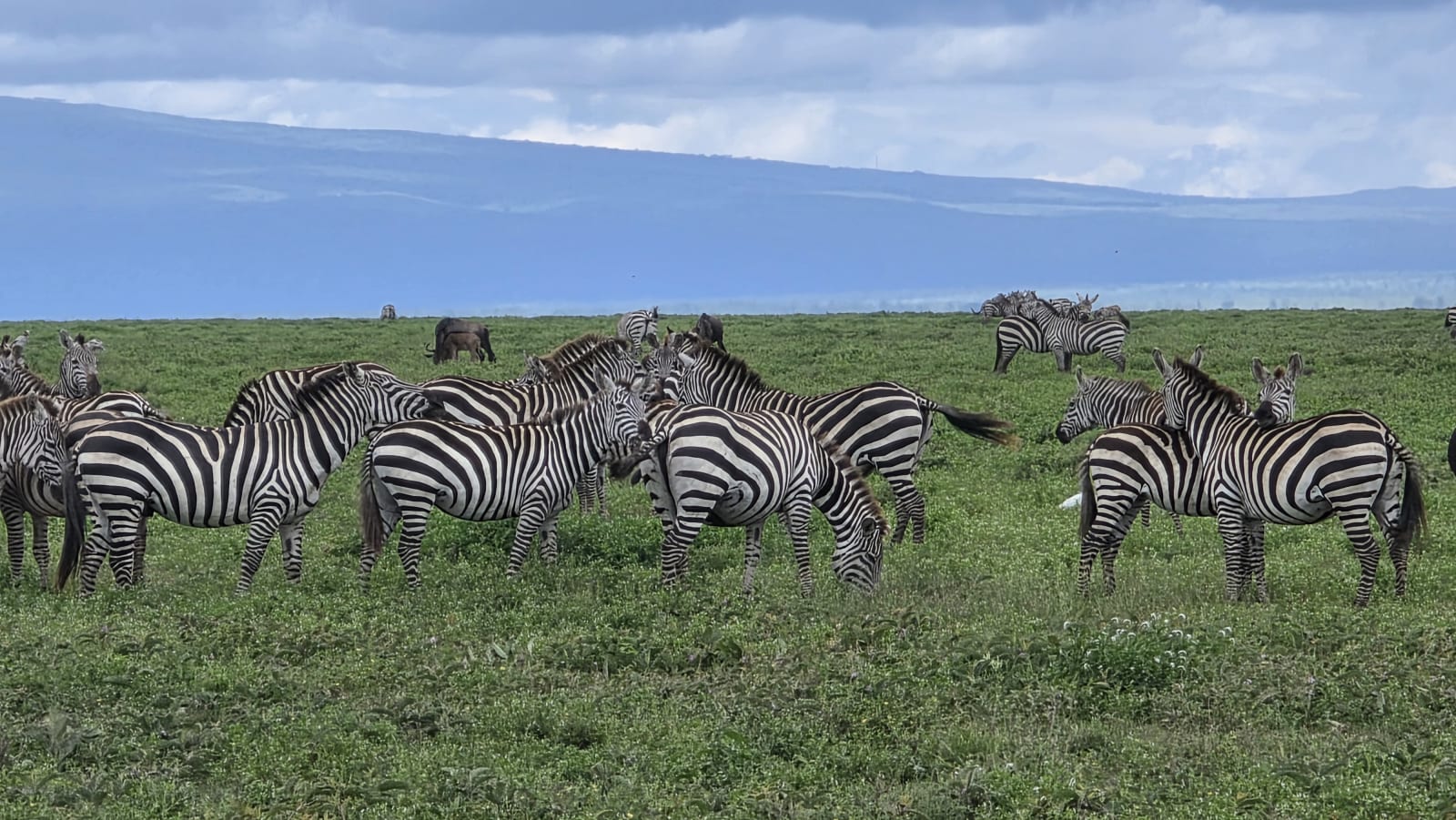
The Serengeti's wildebeest migration is one of nature's greatest spectacles, featuring massive herds of wildebeest, zebras, and gazelles moving across the plains in search of fresh grazing. During the July to October period, you'll also encounter predators like lions, leopards, cheetahs, and hyenas that follow the migration. Additionally, you can spot elephants, buffalo, giraffes, warthogs, and numerous bird species throughout the park. The Northern Serengeti, in particular, offers exceptional viewing opportunities as the migration crosses the Grumeti River, creating dramatic wildlife encounters.
July through October is the prime season for witnessing the Great Migration in Tanzania. During these months, massive herds of wildebeest and zebras move from the southern Serengeti to the northern regions and into Kenya's Masai Mara, creating incredible wildlife viewing opportunities. This period offers the best chance to witness river crossings and predator-prey interactions. The weather is generally dry and cool, making game drives comfortable and wildlife more concentrated around water sources. October marks the tail end of the migration season before herds begin returning south.
For a combined safari and beach experience in Tanzania, pack neutral-colored, lightweight clothing for game drives (khaki, olive, and brown help you blend into the landscape). Bring long-sleeved shirts and pants for sun and insect protection, a warm layer for early morning drives, and sturdy walking shoes. Don't forget a wide-brimmed hat, sunscreen, and sunglasses. For Zanzibar's beaches, pack swimwear, light cotton clothing, and flip-flops. Essential items include a good camera, binoculars, medications, and a basic first-aid kit. Insect repellent is highly recommended. Since the package provides binoculars, you can travel lighter, though personal binoculars are beneficial for serious wildlife enthusiasts.
A minimum of 5-7 days is recommended to experience meaningful wildlife viewing and have a reasonable chance of witnessing migration highlights in the Serengeti. However, a 13-day itinerary provides an exceptional advantage, allowing you to explore multiple ecosystems—including the Serengeti, Ngorongoro Crater, Lake Manyara, and Tarangire National Park—while also enjoying relaxation time on Zanzibar's beaches. This extended timeframe increases your opportunities to witness dramatic migration events, encounter diverse wildlife, experience different habitats, and recover from travel fatigue, making it an ideal duration for a comprehensive Tanzania experience.
Tanzania is generally considered a safe destination for safari tourism. The national parks and game reserves have well-established safety protocols, professional guides, and experienced operators. Wildlife viewing is conducted from secure vehicles with trained professionals who understand animal behavior and maintain safe distances. However, like any travel destination, it's important to follow your guide's instructions, stay aware of your surroundings, and take standard travel precautions. When booking a safari, choose reputable operators with experienced English-speaking guides and good safety records. It's also advisable to check current travel advisories from your government and ensure you have comprehensive travel insurance before departure.
A comprehensive Tanzania safari package typically includes park entrance fees, professional guide services, accommodations, meals, transportation during game drives, and bottled water. Most all-inclusive packages cover breakfast, lunch, and dinner daily, soft drinks, snacks, and WiFi at lodges. Many packages also include domestic flights between regions (such as flights from the Serengeti to Zanzibar) and equipment like binoculars. However, packages generally exclude international airfare, visa fees, travel insurance, vaccinations, alcoholic beverages, tips and gratuities, personal expenses, and optional activities. Always review the specific inclusions and exclusions with your operator to understand what's covered and plan your budget accordingly for items not included.
Safari transportation in Tanzania primarily involves game drive vehicles—specially equipped 4x4 vehicles designed for wildlife viewing with large windows and pop-up roofs for photography and observation. These vehicles are driven by professional guides who navigate park roads and locate wildlife. For traveling between distant regions like the Serengeti and Zanzibar, domestic flights are used, which are faster and more comfortable than long road journeys. Within lodge areas and towns, you may use shuttle services or vehicles arranged by your operator. All game drive vehicles are equipped with communication systems, and guides maintain radio contact to share wildlife sightings. This combination of vehicles and flights ensures you experience maximum wildlife viewing while minimizing travel fatigue.
Tanzania's premier wildlife destinations include the Serengeti National Park, famous for the wildebeest migration and vast plains teeming with predators and prey. The Ngorongoro Crater is a UNESCO World Heritage Site featuring a self-contained ecosystem with incredible wildlife density in a volcanic caldera. Lake Manyara National Park offers diverse habitats including forests, grasslands, and alkaline lakes with tree-climbing lions and large elephant populations. Tarangire National Park is known for massive elephant herds and scenic baobab trees. These parks collectively showcase Tanzania's incredible biodiversity and offer varied safari experiences. Zanzibar Island provides a cultural and beach contrast to the safari experience, featuring historic Stone Town, spice plantations, and pristine beaches.
Vaccinations for Tanzania are strongly recommended and should be discussed with a healthcare provider or travel clinic before your trip. Yellow fever vaccination is commonly recommended for travelers visiting Tanzania, particularly if you're coming from or traveling to other African countries. Vaccinations for hepatitis A, typhoid, and routine immunizations (MMR, tetanus) are also typically advised. Malaria prophylaxis is recommended for most regions of Tanzania, especially during the wet season. Since malaria is present in safari areas, consult your doctor about antimalarial medications suitable for your health profile. Travel insurance that covers medical emergencies is highly recommended. Note that vaccination requirements and recommendations can change, so check with official health authorities or your doctor closer to your travel date for the most current guidance.
Tanzania safari costs vary significantly based on several factors including trip duration, accommodation quality (budget, mid-range, or luxury lodges), season (peak migration season costs more than shoulder seasons), and what's included in the package. A 13-day safari combining multiple parks and beach time typically ranges from mid-range to premium pricing. Major cost factors include park entrance fees, guide services, vehicle rental, meals, accommodations, and domestic flights. International airfare, travel insurance, visas, and vaccinations are additional expenses not always included in quoted prices. Tips and gratuities are customary but separate. Budget-conscious travelers can find value by traveling during shoulder seasons or choosing mid-range accommodations, while luxury experiences command higher prices. Request detailed quotes from operators specifying exactly what's included to accurately compare costs and understand the true investment in your safari experience.
 Utele SafariArusha, Tanzania
© 2026 SafariFind. All rights reserved.