 1 / 91 / 9
Loading SafariFind...
1 / 9Arrive in Johannesburg
Johannesburg
First day on safari
Zuka Private Game Reserve
Meals: Breakfast, Lunch, Dinner
Continue your safari at Bayala
Zuka Private Game Reserve
Meals: Breakfast, Lunch, Dinner
Continue your safari at Bayala
Zuka Private Game Reserve
Meals: Breakfast, Lunch, Dinner
Continue your safari at Bayala
Zuka Private Game Reserve
Meals: Breakfast, Lunch, Dinner
A change of pace: Rhino River Lodge
Manyoni Private Game Reserve
Meals: Breakfast, Lunch, Dinner
Continue your Safari at Rhino River Lodge
Manyoni Private Game Reserve
Meals: Breakfast, Lunch, Dinner
Continue your safari at Rhino River Lodge
Manyoni Private Game Reserve
Meals: Breakfast, Lunch, Dinner
Continue your safari at Rhino River Lodge
Manyoni Private Game Reserve
Meals: Breakfast, Lunch, Dinner
Final Safari stop: Thanda Tented Camp
Phinda Private Game Reserve
Meals: Breakfast, Lunch, Dinner
Continue your Safari at Thanda Tented Camp
Phinda Private Game Reserve
Meals: Breakfast, Lunch, Dinner
Continue your Safari at Thanda Tented Camp
Phinda Private Game Reserve
Meals: Breakfast, Lunch, Dinner
Continue your Safari at Thanda Tented Camp
Phinda Private Game Reserve
Meals: Breakfast, Lunch, Dinner
Final day in Africa
O.R. Tambo International Airport
Meals: Breakfast
Year Round
Year-round
| Season | 2 people |
|---|---|
Year Round Year-round | $5,990 |
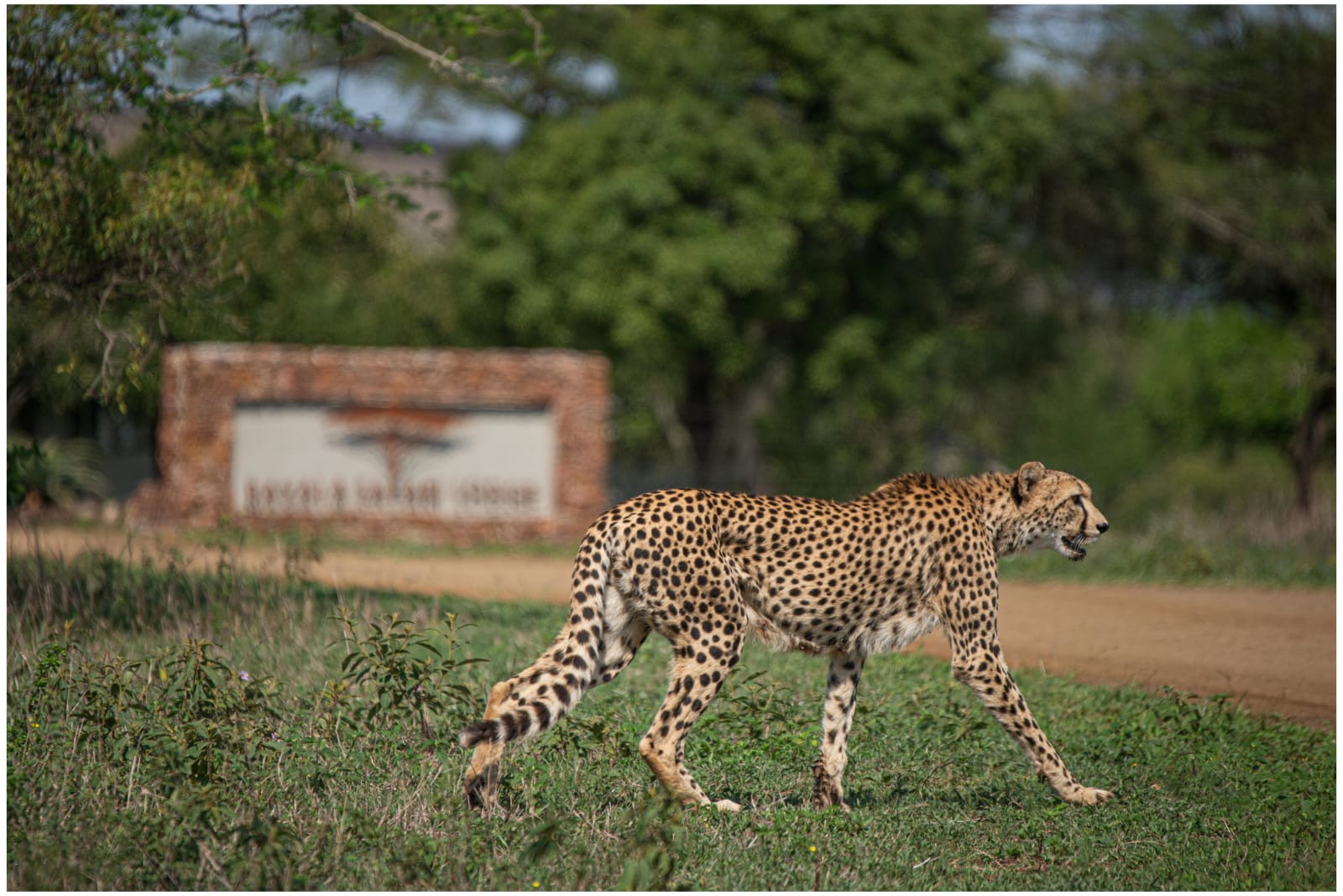
KwaZulu-Natal is home to diverse wildlife including the Big Five (lion, leopard, rhinoceros, elephant, and buffalo), along with zebras, giraffes, wildebeest, antelopes, and various bird species. The province's varied ecosystems support different animal populations across its protected areas, making it an excellent destination for wildlife viewing. The region is particularly known for its healthy populations of rhinos and diverse birdlife, with over 500 bird species recorded in the area.
Yes, KwaZulu-Natal is an excellent safari destination that offers distinct advantages over the more well-known Kruger area. While slightly less accessible, the province features multiple unique ecosystems and lodge experiences that provide exceptional wildlife viewing with often fewer crowds. The varied landscapes and dedicated conservation efforts make it a rewarding choice for travelers seeking authentic African safari experiences. Many visitors find the journey worthwhile for the quality of wildlife encounters and the diversity of landscapes available.
Pack neutral-colored clothing in earth tones (khaki, tan, green, brown) for game drives to avoid startling wildlife. Bring lightweight, breathable fabrics for warm days and layers for early morning and evening game drives when temperatures drop. Essential items include a wide-brimmed hat, high-SPF sunscreen, insect repellent, binoculars, a camera with extra batteries, comfortable walking shoes, and closed-toe hiking boots. Don't forget personal medications, toiletries, and a light jacket or fleece. Quick-dry clothing is practical for potential rain, and neutral-colored swimwear if your lodges have pools.
Most safari packages include daily game drives, typically conducted in early morning and late afternoon/evening when wildlife is most active. A 14-day safari usually features multiple game drives throughout your stay, often two per day depending on lodge schedules and itineraries. Early morning drives start before sunrise and last 2-4 hours, while evening drives begin in late afternoon and continue into dusk. Your specific package will outline the exact number and timing of game drives included with your lodges.
The best time for a KwaZulu-Natal safari is typically May to September (winter/dry season) when vegetation is thinner, making wildlife easier to spot, and temperatures are mild and comfortable. However, the region offers year-round wildlife viewing. Summer months (November to March) bring lush landscapes and excellent birdwatching but can be hot and humid with afternoon rains. Each season offers unique advantages, so your choice depends on whether you prioritize wildlife visibility, weather comfort, or birdwatching opportunities.
Visa requirements depend on your nationality and passport country. Many nationalities, including citizens of the USA, UK, Canada, Australia, and EU countries, can enter South Africa visa-free for tourism purposes for up to 90 days. However, requirements vary, so you should check with the South African Department of Home Affairs or your nearest South African embassy well in advance of your trip. Ensure your passport is valid for at least six months beyond your travel dates, as this is typically required for entry.
Consult your doctor or travel health clinic at least 4-6 weeks before your trip for personalized recommendations. Yellow fever vaccination is often recommended if you're traveling from certain countries, though not mandatory for entry. Routine vaccinations (MMR, tetanus, etc.) should be up-to-date. Malaria prophylaxis is typically recommended for certain areas of KwaZulu-Natal, particularly lower-lying regions. Your healthcare provider can assess your specific itinerary and health history to recommend appropriate preventive measures.
Travel insurance costs vary widely based on trip duration, your age, coverage level, and pre-existing conditions. For a 14-day safari, expect to pay $100-$400+ depending on the provider and coverage selected. Comprehensive policies covering trip cancellation, medical emergencies, and evacuation typically cost more than basic plans. It's essential to purchase travel insurance that specifically covers safari activities and adventure travel. Compare quotes from multiple providers and ensure your policy covers the destinations and activities included in your itinerary.
Most safari lodges provide comfortable accommodation ranging from luxury suites to standard rooms, all with private facilities. Meals typically include three daily meals prepared at the lodge restaurant, featuring a mix of local and international cuisine. Breakfast is often served early before morning game drives, lunch is provided mid-day, and dinner is a multi-course meal in the evening. Beverages, snacks, and between-meal refreshments may vary by lodge. Your specific package details will clarify what's included, and you should confirm any dietary requirements in advance.
Most travelers fly from Johannesburg to regional airports in KwaZulu-Natal, typically Durban or Richards Bay, which is a 1-2 hour flight. From there, you'll transfer by road to your safari lodge, usually a 2-4 hour drive depending on the specific lodge location. Some packages include a meet and greet service at Johannesburg airport to assist with your onward journey. Internal flights within South Africa are readily available and relatively affordable. Your safari operator can arrange all transfers, and it's advisable to confirm transportation details when booking your package.
 Experiential TravelWheelers Hill, Australia
© 2026 SafariFind. All rights reserved.