 1 / 9
1 / 9 2 daysprivate
Loading SafariFind...
1 / 9Arrival in Serengeti National Park
Serengeti National Park
Meals: Lunch, Dinner
Game Drive in Ngorongoro Crater then Return to Zanzibar
Ngorongoro Crater
Meals: Breakfast, Lunch
High Season
Jun 2026 – Oct 2026
Low Season
Nov 2026 – May 2027
| Season | Solo traveler | 2 people | 3 – 4 people | 5 – 6 people | 7+ people | Child rate | Single suppl. |
|---|---|---|---|---|---|---|---|
High Season Jun 2026 – Oct 2026 | $1,590 | $1,450 | $1,370 | $1,350 | $1,300 | $1,080 | $290 |
Low Season Nov 2026 – May 2027 | $1,430 |
Child rate applies to travelers under 12 years. Single supplement applies to solo travelers taking their own room.
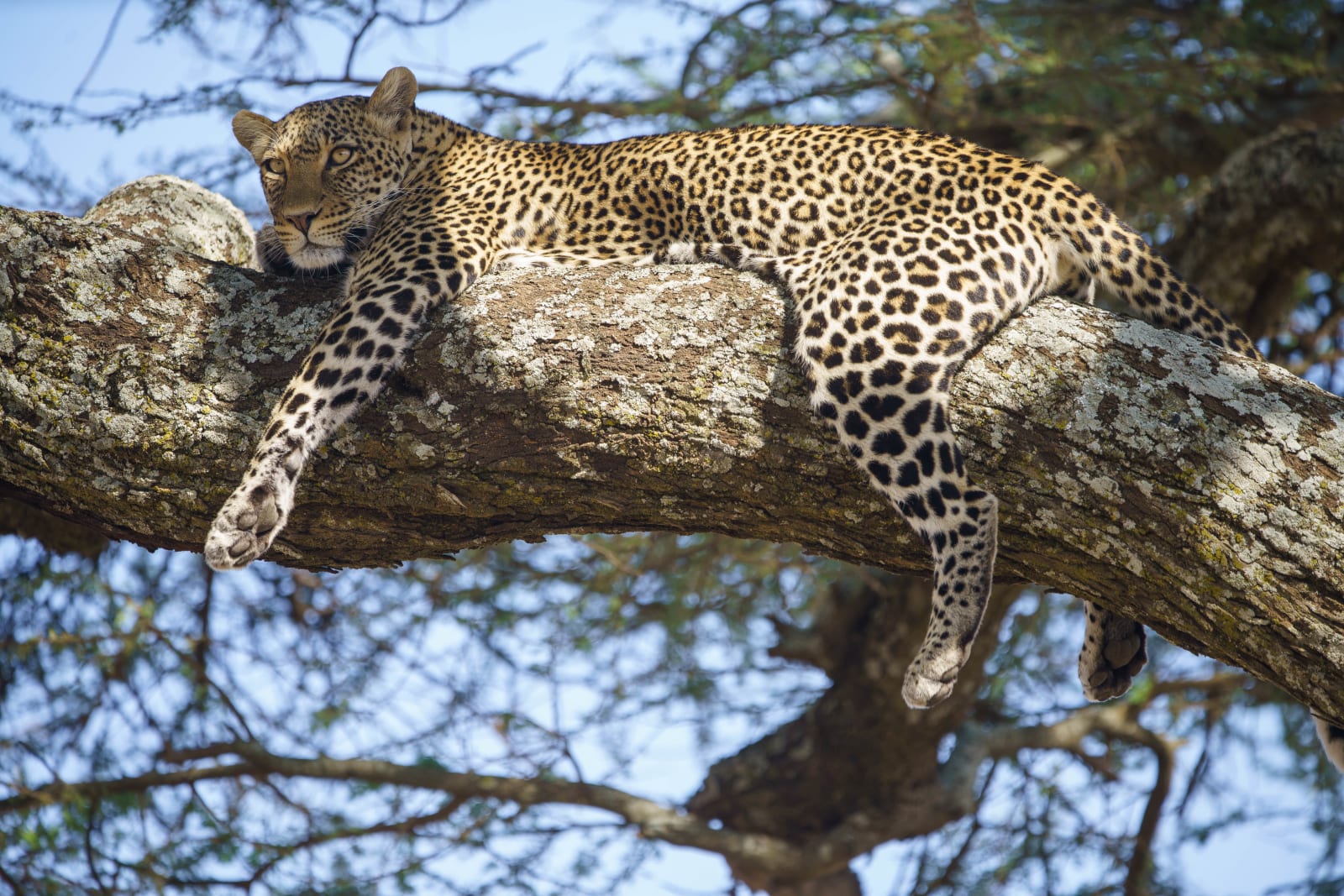
The Serengeti is one of Africa's most biodiverse ecosystems and is home to the Big Five—lions, elephants, buffalo, leopards, and rhinoceros. You'll also encounter vast herds of wildebeest, zebras, gazelles, giraffes, hyenas, and numerous bird species. The park's diverse habitats, from grasslands to woodland areas, support over 500 species of birds and countless other mammals. The abundance and variety of wildlife make the Serengeti an exceptional destination for wildlife photography and observation.
Yes, a 2-day safari can provide a meaningful wildlife experience, especially when using fly-in accommodations that maximize your time in the parks. By flying directly to Serengeti National Park and combining it with the Ngorongoro Crater, you minimize travel time and maximize game-viewing opportunities. While longer safaris allow for more extensive exploration, a well-planned 2-day itinerary can deliver excellent wildlife sightings and a genuine taste of Tanzania's most famous destinations. This format is ideal for travelers with limited time or those combining safari with other activities like beach relaxation in Zanzibar.
The Ngorongoro Crater is a UNESCO World Heritage Site and one of the world's largest intact volcanic calderas, located in northern Tanzania. It's renowned for its exceptionally high concentration of wildlife relative to its size, making it one of Africa's premier game-viewing destinations. The crater's unique ecosystem supports an estimated 25,000 large animals, including lions, elephants, buffalo, zebras, and wildebeest. The stunning volcanic landscape combined with the abundance of wildlife creates a dramatic and unforgettable safari experience. The crater's enclosed environment means animals are concentrated in a smaller area, often resulting in excellent viewing opportunities.
The flight from Zanzibar to Seronera Airstrip in Serengeti National Park typically takes approximately 1.5 to 2 hours, depending on weather conditions and the specific aircraft used. This scenic flight allows you to appreciate the landscape while minimizing ground travel time, enabling you to maximize your safari experience. Fly-in safaris are particularly convenient for travelers based in Zanzibar or those combining a beach holiday with a wildlife adventure, as they eliminate long, exhausting road transfers and get you directly into the heart of the park.
For a 2-day Serengeti and Ngorongoro safari, pack neutral-colored clothing in earth tones (khaki, olive, tan) to blend with the environment and avoid disturbing wildlife. Bring lightweight, breathable fabrics for warm days and a warm layer for early morning game drives when temperatures are cooler. Essential items include a wide-brimmed hat, high-SPF sunscreen, sunglasses, and a good camera with extra batteries and memory cards. Comfortable walking shoes and sandals are important. Don't forget binoculars for wildlife viewing, insect repellent, basic medications, and any personal toiletries. Most safari lodges provide toiletries, but it's wise to bring your preferred brands. Check with your operator about any specific recommendations based on the season.
The Serengeti offers excellent wildlife viewing year-round, but the best times depend on what you want to experience. The dry season from June to October offers the clearest skies, best visibility, and the Great Migration when massive herds of wildebeest and zebras move through the park. December to February is the calving season, when thousands of wildebeest calves are born, attracting predators and providing dramatic wildlife encounters. The shoulder seasons of March to May and November offer fewer tourists, lush green landscapes, and good wildlife viewing. Each season has its advantages, so the 'best' time depends on your priorities regarding wildlife activity, weather, and crowd levels.
Most comprehensive safari packages include three meals daily—breakfast, lunch, and dinner—prepared at your accommodation or served during game drives. Meals are typically hearty and designed to sustain you through long days of wildlife viewing, often featuring a mix of international and local Tanzanian cuisine. Bottled water is provided throughout the day during game drives to keep you hydrated in the African heat. However, alcoholic beverages are generally not included and would be an additional cost if you wish to purchase them at your lodge. It's advisable to confirm specific meal arrangements and any dietary requirements with your operator in advance.
Visa requirements for Tanzania vary depending on your nationality. Many countries' citizens can obtain a visa on arrival at Tanzanian airports, while others may need to apply in advance through a Tanzanian embassy or consulate. Some nationalities qualify for visa-free entry for short periods. Since visa regulations change periodically, it's essential to check the current requirements with the Tanzanian immigration website or your nearest Tanzanian embassy well before your trip. You should also ensure your passport is valid for at least six months beyond your travel dates. Planning ahead allows time for any necessary visa applications and gives you peace of mind before your safari adventure.
Vaccination requirements and recommendations for Tanzania vary based on your health history and origin country. Yellow fever vaccination is often recommended, and some countries require proof of yellow fever vaccination for entry if you're traveling from endemic areas. Malaria prophylaxis is typically recommended for most regions of Tanzania, including the Serengeti and Ngorongoro areas. Common recommended vaccinations include typhoid, hepatitis A and B, and routine immunizations. It's crucial to consult with a travel medicine specialist or your healthcare provider at least 4-6 weeks before your trip to receive personalized advice based on your medical history and specific itinerary. They can also prescribe appropriate malaria prevention medications if needed.
The cost of a 2-day fly-in safari to Serengeti and Ngorongoro varies significantly based on accommodation quality, season, and included services. Budget options may range from $1,500 to $2,500 per person, while mid-range packages typically cost $2,500 to $4,500, and luxury experiences can exceed $5,000 per person. Most packages include park fees, accommodation, meals, game drives, and professional guides, which represent substantial value. However, international flights, travel insurance, visa fees, and personal expenses are typically separate. The fly-in format commands a premium compared to ground-based safaris due to convenience and time savings. Booking during shoulder seasons (March-May or November) often offers better rates than peak season (June-October).
 Maasailand Adventure & AwarenessArusha, Tanzania
© 2026 SafariFind. All rights reserved.
| $1,300 |
| $1,240 |
| $1,210 |
| $1,170 |
| $1,080 |
| $290 |