 1 / 41 / 4
Loading SafariFind...
1 / 4Fly-in From Zanzibar to Nyerere NP & Game Drive
Selous Game Reserve
Meals: Lunch, Dinner
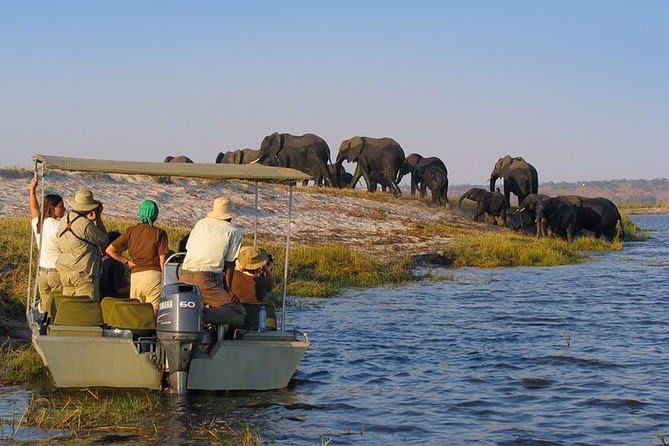
Boat Safari & Fly-out Back to Zanzibar
Zanzibar
Meals: Breakfast, Lunch
Year Round
Year-round
| Season | Solo traveler | 2 people | 3 – 4 people | 5 – 6 people | 7+ people | Child rate | Single suppl. |
|---|---|---|---|---|---|---|---|
Year Round Year-round | $850 | $770 | $690 | $650 | $620 | $540 | $230 |
Child rate applies to travelers under 12 years. Single supplement applies to solo travelers taking their own room.
Nyerere National Park is one of Tanzania's premier wildlife destinations and home to an impressive array of animals. You can expect to see lions, elephants, rhinos, and numerous other species across the park's diverse habitats. The park is particularly renowned as a stronghold for endangered species and supports incredible biodiversity including various antelope species, buffalo, hippos, and crocodiles. With such varied ecosystems—from riverine areas to woodlands and grasslands—the wildlife viewing opportunities are extensive. The park is also a birdwatcher's paradise, with hundreds of bird species recorded throughout the year. Every game drive typically reveals something new, making it one of the last truly pristine wildlife experiences in Africa.
A 2-day safari is an excellent introduction to Nyerere National Park, allowing you to experience both land and water-based game viewing. This duration gives you enough time to explore the park's diverse ecosystems and encounter significant wildlife. Day one typically includes a fly-in from nearby destinations like Zanzibar and an afternoon game drive, while day two features a boat safari along the park's rivers—a unique way to spot wildlife from a different perspective. For travelers with limited time or those combining Nyerere with other Tanzanian destinations, a 2-day itinerary is ideal. However, if you have more time available, 3-4 days would allow for deeper exploration and increased wildlife sightings.
A comprehensive Nyerere safari package typically includes all essential elements for a seamless experience. Standard inclusions cover park entrance fees, comfortable accommodation throughout your stay, all meals (breakfast, lunch, and dinner), private 4x4 safari vehicle transportation, and an experienced English-speaking professional guide. You'll also receive bottled water during game drives, airport transfers for convenience, and internal flights if flying in from another location. Government taxes and VAT are included in the package price. This all-inclusive approach means you can focus entirely on the safari experience without worrying about hidden costs. It's worth noting that items like international airfare, travel insurance, visa fees, alcoholic beverages, tips, and optional activities are typically not included and should be arranged separately.
Nyerere National Park offers excellent wildlife viewing year-round due to its diverse habitats and water sources that attract animals throughout the seasons. The dry season, typically from June to October, is considered peak safari season when wildlife concentrates around water sources, making sightings more frequent and predictable. During this period, vegetation is sparse, improving visibility for spotting animals. The wet season, from November to May, transforms the landscape into lush greenery and is ideal for birdwatching and photography, though wildlife can be more dispersed. The shoulder months of May and November offer a good balance of wildlife activity and fewer tourists. Your choice depends on your priorities—whether you prefer maximum wildlife encounters, birdwatching opportunities, or a quieter experience. Consider checking weather patterns and your personal preferences when planning your visit.
A 2-day safari can provide meaningful wildlife encounters and is a viable option for travelers with time constraints. In two days, you'll experience multiple game drives and a boat safari, giving you diverse opportunities to observe animals in their natural habitat. The combination of land and water-based viewing increases your chances of spotting different species. While a longer safari would provide more extensive exploration and potentially more sightings, two days is sufficient to experience the highlights of Nyerere National Park and create memorable wildlife moments. Many travelers find this duration satisfying, especially when combined with other activities like relaxing in Zanzibar. The key to maximizing your experience is having an experienced guide who knows the park well and can navigate you to the most productive viewing areas.
Packing appropriately ensures comfort and safety during your safari experience. Essential items include lightweight, neutral-colored clothing (khaki, green, or brown) that blends with the environment and helps you observe wildlife without startling them. Bring long-sleeved shirts and long pants for sun protection and to minimize insect bites. A wide-brimmed hat, sunglasses, and high-SPF sunscreen are crucial for protection against the strong African sun. Comfortable, closed-toe walking shoes or safari boots are recommended for game drives and any walking activities. Binoculars are invaluable for birdwatching and spotting distant wildlife. A camera with a good zoom lens will help you capture memorable moments. Don't forget a light jacket or fleece for early morning and evening game drives when temperatures drop. Other important items include insect repellent, a refillable water bottle, medications, and any personal toiletries. Check with your tour operator for specific recommendations based on the season you're traveling.
Boat safaris and game drives offer complementary wildlife viewing experiences, each with unique advantages. Game drives in a 4x4 vehicle allow you to cover larger distances across varied terrain, accessing different ecosystems and habitats where you can spot a wide range of animals. You move at your own pace and can stop for extended viewing. Boat safaris, typically along rivers and waterways, provide a different perspective and access to wildlife that congregates near water sources. From a boat, you can observe animals in their natural behavior—drinking, bathing, and interacting with their environment—often at closer range than from a vehicle. Boat safaris are particularly excellent for spotting hippos, crocodiles, water birds, and other aquatic species. The combination of both safari types, as offered in many Nyerere packages, gives you the most comprehensive wildlife experience. Each method reveals different aspects of the park's ecosystem and increases your overall sighting opportunities.
Visa requirements for Tanzania depend on your nationality and are determined by the Tanzanian government. Most international visitors require a visa to enter Tanzania, though some nationalities may be exempt or eligible for visa-on-arrival. It's essential to check the current visa requirements well in advance of your travel dates by visiting the official Tanzanian immigration website or contacting your nearest Tanzanian embassy or consulate. Many nationalities can obtain a visa on arrival at Julius Nyerere International Airport in Dar es Salaam, though processing times can vary. Some travelers prefer to arrange their visa before departure for peace of mind. Additionally, ensure your passport is valid for at least six months beyond your intended travel dates. Your tour operator can provide guidance on visa procedures, but ultimately, you are responsible for obtaining the necessary travel documents. Plan ahead to avoid any delays in your safari adventure.
Vaccinations and health precautions are important considerations before traveling to Tanzania and Nyerere National Park. Yellow fever vaccination is often recommended or required, depending on your origin country and onward travel plans. Malaria is present in the region, so antimalarial medication is typically advised—consult with a travel health clinic about the best option for your circumstances. Routine vaccinations (measles, mumps, rubella, polio, tetanus, and diphtheria) should be up to date. Typhoid and hepatitis A vaccinations are commonly recommended for travelers to Tanzania. Some travelers also consider vaccinations for hepatitis B and rabies, depending on their risk factors. It's crucial to visit a travel health clinic or your doctor at least 4-6 weeks before your departure to discuss your specific health needs and receive personalized recommendations. They can assess your medical history and provide guidance on vaccinations, antimalarial prophylaxis, and other health precautions. Travel insurance that covers medical expenses is also highly recommended.
Nyerere National Park is accessible from Zanzibar via a scenic fly-in arrangement, which is both convenient and efficient. A short domestic flight connects Zanzibar to the nearest airstrip serving Nyerere National Park, typically taking around 1-2 hours depending on the specific route and aircraft. This fly-in option is ideal for travelers wanting to maximize their time in the park without spending hours on road transfers. Many safari packages include these internal flights as part of the overall experience. The flight itself offers aerial views of Tanzania's landscape, adding to the adventure. Upon arrival at the park's airstrip, airport transfers by 4x4 vehicle take you to your accommodation. This seamless fly-in arrangement allows you to transition from the beaches of Zanzibar to the wildlife-rich savannas of Nyerere efficiently. If you're planning to combine both destinations, this fly-in option makes for an excellent itinerary that showcases the diversity of Tanzania in a short timeframe.
© 2026 SafariFind. All rights reserved.
