 1 / 9
1 / 9 2 daysprivate
Loading SafariFind...
1 / 9Arrival in Arusha and Game Drive in Tarangire National Park
Tarangire National Park
Meals: Lunch, Dinner
Game Drive in Ngorongoro Crater then flight back to Zanzibar
Ngorongoro Crater
Meals: Breakfast, Lunch
Year Round
Year-round
| Season | Solo traveler | 2 people | 3 – 4 people | 5 – 6 people | 7+ people | Child rate | Single suppl. |
|---|---|---|---|---|---|---|---|
Year Round Year-round | $1,650 | $1,100 | $990 | $940 | $880 | $770 | $330 |
Child rate applies to travelers under 12 years. Single supplement applies to solo travelers taking their own room.
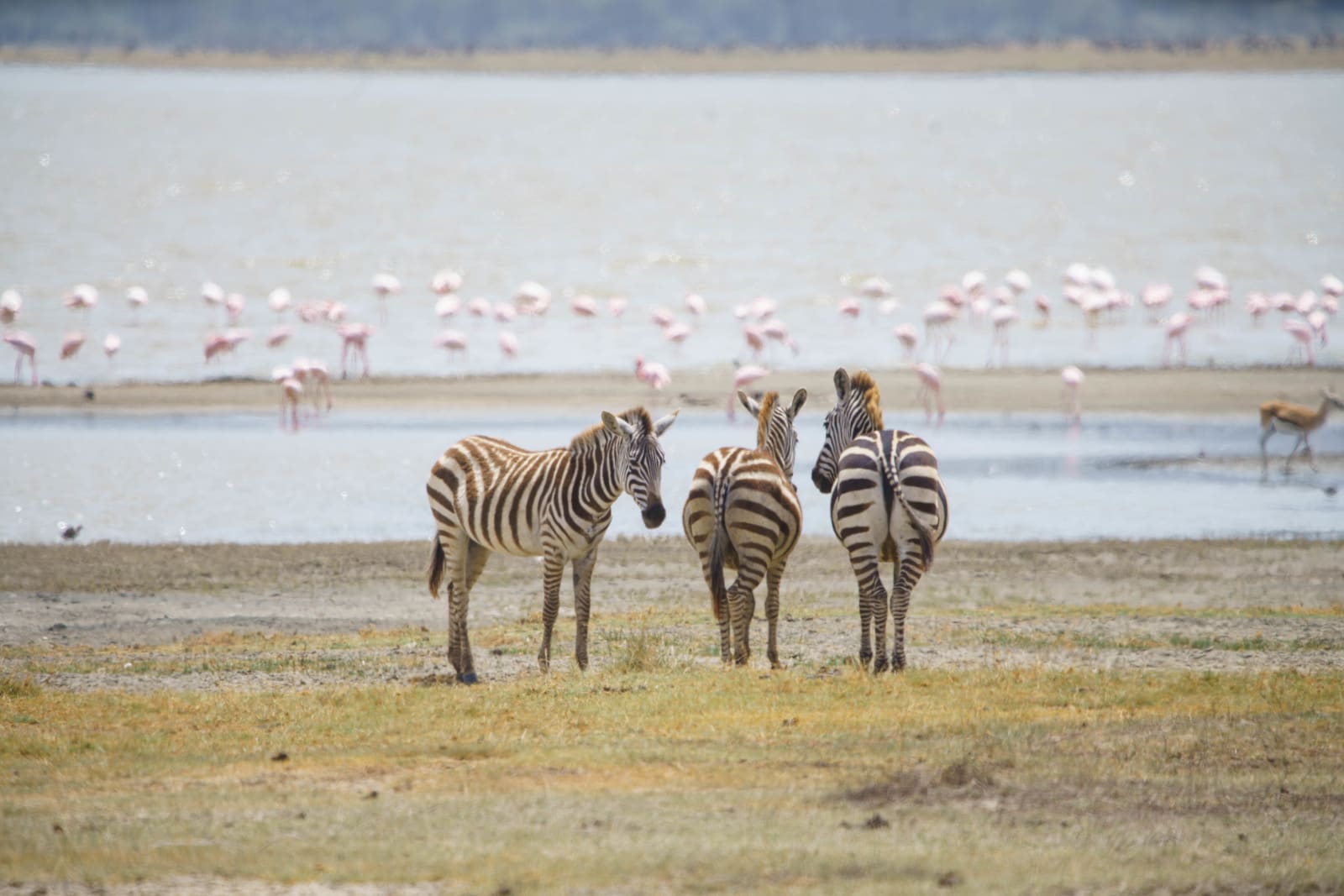
Tarangire National Park is famous for its exceptionally large elephant herds, which are among the biggest concentrations in Tanzania. Beyond elephants, you'll encounter a diverse array of wildlife including lions, leopards, giraffes, zebras, wildebeest, buffalo, and numerous bird species. The park's ancient baobab trees create a distinctive landscape that's home to various predators and herbivores. The best wildlife viewing typically occurs during the dry season when animals congregate around water sources, making game drives particularly rewarding for photography and observation.
Absolutely. The Ngorongoro Crater is one of Tanzania's most iconic destinations and is highly worth visiting. It's a UNESCO World Heritage Site featuring a stunning volcanic landscape with one of the highest concentrations of wildlife in Africa. The crater's unique ecosystem supports large populations of lions, buffalo, zebras, wildebeest, and rhinoceros within a relatively compact area, making it excellent for wildlife viewing. The dramatic scenery combined with exceptional animal sightings makes it an unforgettable experience, even on a short safari itinerary.
Northern Tanzania's major destinations—Tarangire National Park and Ngorongoro Crater—can be experienced meaningfully in 2 days, though longer safaris of 3-5 days allow for more extensive exploration and increased wildlife encounters. A 2-day fly-in safari is ideal for travelers with limited time, as it maximizes game drive time by eliminating long road transfers. This timeframe provides sufficient opportunity to see diverse wildlife and experience the dramatic landscapes, though some visitors prefer longer stays to increase chances of spotting rarer animals and enjoying multiple game drives in different areas.
Pack neutral-colored, breathable clothing suitable for warm days and cool mornings—khaki, beige, and olive tones blend better with the landscape than bright colors. Essential items include a wide-brimmed hat, sunglasses, high-SPF sunscreen, and a light jacket or sweater for early morning and evening game drives when temperatures drop. Bring comfortable walking shoes and closed-toe hiking boots. Don't forget binoculars for wildlife viewing, a camera with extra batteries and memory cards, and any personal medications. Pack minimally as luggage space may be limited on small aircraft used for fly-in safaris. Insect repellent and a basic first-aid kit are also recommended.
The dry season from June to October is generally considered the best time for wildlife viewing in Northern Tanzania. During these months, animals concentrate around water sources, making them easier to spot on game drives. The landscape is also clearer with less vegetation, improving visibility. The wet season from November to May brings lush scenery and fewer tourists, but wildlife viewing can be more challenging due to vegetation cover and scattered animal distribution. However, the wet season offers excellent birdwatching opportunities. Consider visiting during shoulder months (June or October-November) for a balance of good wildlife viewing and fewer crowds.
Visa requirements for Tanzania depend on your nationality. Many countries can obtain a visa on arrival at Tanzanian airports, while others require advance application. It's essential to check the current visa requirements with the Tanzanian embassy or consulate in your country well before travel. Most visitors need a valid passport with at least 6 months validity remaining. Additionally, you may need proof of yellow fever vaccination depending on where you're traveling from. For the most accurate and up-to-date visa information, consult official Tanzanian government sources or your travel agent before booking your safari.
Common vaccinations recommended for Tanzania include Yellow Fever, Typhoid, Hepatitis A and B, and Tetanus. Malaria prophylaxis is strongly recommended, particularly for Tarangire and Ngorongoro areas, as these regions have malaria transmission. Consult with a travel medicine specialist or your healthcare provider at least 4-6 weeks before your trip to determine which vaccinations and antimalarial medications are appropriate for your health profile and the specific regions you'll visit. They can also advise on other health precautions such as insect repellent and food and water safety practices during your safari.
Fly-in safaris involve traveling by aircraft to your safari destination rather than driving long distances by road. You fly from a hub city (like Arusha or Zanzibar) directly to airstrips near national parks, then transfer to your lodge and begin game drives. The main benefits are significant time savings—you spend less time traveling and more time on game drives—and reduced fatigue from long road journeys. Fly-in safaris are ideal for travelers with limited vacation time, as they maximize your actual safari experience. They're particularly valuable for 2-3 day itineraries where road transfers would consume a substantial portion of your available time. This format allows you to experience multiple destinations efficiently without compromising the quality of your wildlife viewing.
A comprehensive safari package typically includes park entrance fees, professional guide services, game drives in a private 4x4 vehicle, accommodation at a safari lodge, all meals (breakfast, lunch, and dinner), bottled water during game drives, and airport transfers. Some packages also cover government taxes and VAT. However, exclusions usually include international airfare, travel insurance, alcoholic beverages, gratuities for guides and staff, personal expenses, and optional activities. It's important to review the specific inclusions and exclusions of your chosen package to understand what's covered and budget accordingly for items like tips, travel insurance, and any special activities you wish to add.
While Tarangire and Ngorongoro offer excellent wildlife viewing, seeing all five members of the Big Five (lion, leopard, elephant, buffalo, and rhinoceros) on a 2-day safari is not guaranteed. Tarangire is particularly known for its large elephant herds, and both parks have healthy populations of lions and buffalo. Leopards are present but elusive and sightings are less common. Rhinoceros sightings are possible in Ngorongoro Crater but are rare. The chances of seeing the Big Five increase with longer safari durations and multiple game drives. Your experienced guide will maximize your opportunities, but wildlife sightings depend on animal behavior, season, and luck. Focus on enjoying the diverse wildlife you do encounter rather than checking off a specific list.
 Maasailand Adventure & AwarenessArusha, Tanzania
© 2026 SafariFind. All rights reserved.