 1 / 8
1 / 8 2 daysprivate
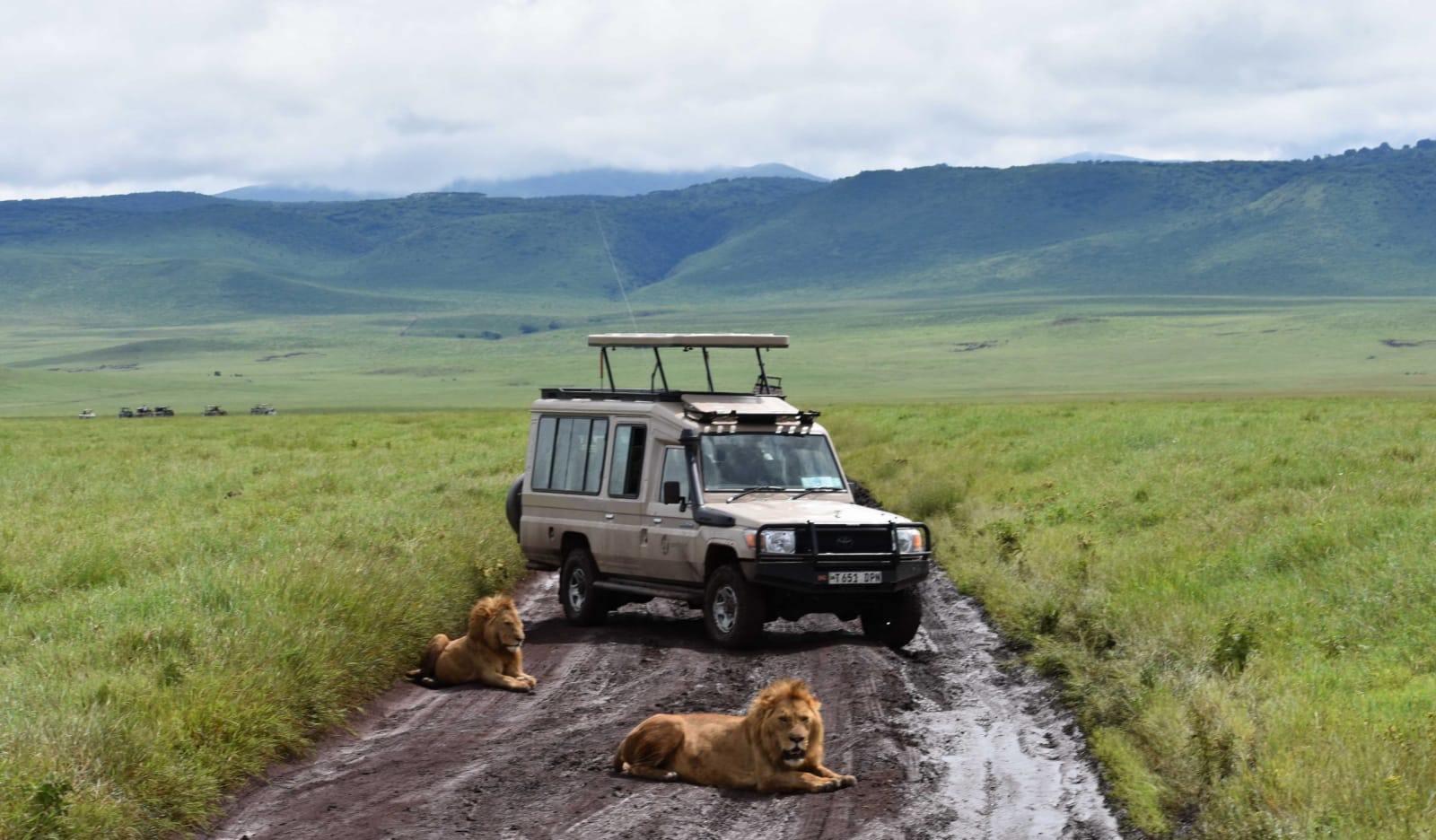
2-Day Fly-in Safari to Serengeti and Ngorongoro
byAquiline SafarisTrusted
Instant Booking
Loading SafariFind...
1 / 8byAquiline SafarisTrusted
Flight from Zanzibar to Serengeti National Park
Serengeti National Park
Meals: Lunch, Dinner
Serengeti National Park to Ngorongoro and Arusha
Ngorongoro Crater
Meals: Breakfast, Lunch
Year Round
Year-round
| Season | 2 people |
|---|---|
Year Round Year-round | $1,540 |
The Serengeti is home to one of the largest concentrations of wildlife in Africa. You can expect to see the Big Five (lions, elephants, buffalo, leopards, and rhinoceros), as well as zebras, wildebeest, giraffes, hyenas, cheetahs, and numerous antelope species. The park is particularly famous for its massive herds of wildebeest and zebras, which migrate seasonally across the plains. Bird enthusiasts will also find over 500 bird species throughout the park. Your sightings will depend on the season and specific areas visited during your game drives.
A 2-day safari provides a solid introduction to both the Serengeti and Ngorongoro Conservation Area. While it's relatively short compared to longer safaris, the fly-in option maximizes your time by eliminating the lengthy road journey from Arusha, allowing you to spend more hours on actual game drives. Two days gives you sufficient time to experience the landscapes, encounter major wildlife, and appreciate the unique ecosystems of both destinations. For a more in-depth exploration, many travelers opt for 3-5 day safaris, but a 2-day itinerary is definitely worthwhile if you're combining it with other activities like a Zanzibar beach vacation.
The Serengeti is known for its vast open plains, abundant wildlife, and the famous annual Great Migration. It offers expansive landscapes and opportunities to see large herds of animals roaming freely across the ecosystem. The Ngorongoro Conservation Area, by contrast, features the Ngorongoro Crater—a massive volcanic caldera that acts as a natural enclosure containing a concentrated population of wildlife. The crater provides excellent game viewing in a smaller, more contained area, making it ideal for spotting animals in a more concentrated setting. Both destinations offer unique experiences: the Serengeti for vast wilderness and migration phenomena, and Ngorongoro for dramatic landscapes and reliable wildlife concentrations.
The Serengeti offers excellent wildlife viewing year-round, but the best times depend on what you want to see. The dry season (June to October) is considered peak season, offering the best game viewing as animals congregate around water sources and vegetation is sparse, making wildlife easier to spot. During July and August, the famous Great Migration crosses from Tanzania into Kenya. The wet season (November to May) brings lush landscapes, fewer tourists, and excellent bird watching, though some roads may be challenging. December to February offers good wildlife viewing with pleasant weather. The shoulder months of March-May and September-October provide a balance of wildlife activity and fewer crowds.
Visa requirements for Tanzania depend on your nationality. Many countries' citizens can obtain a visa on arrival at Tanzanian airports, while others can apply for an e-visa online before travel. Some nationalities may be exempt from visa requirements for short stays. It's essential to check with the Tanzanian embassy or consulate in your country well before your trip to confirm your specific visa requirements and processing times. Your travel provider can also offer guidance on visa procedures. Additionally, ensure your passport is valid for at least six months beyond your travel dates, as this is typically a standard requirement for entry into Tanzania.
Pack neutral-colored, breathable clothing in layers, as temperatures vary significantly between day and night. Essential items include a wide-brimmed hat, sunscreen, sunglasses, and a light rain jacket, even during dry seasons. Bring sturdy, closed-toe hiking boots for game drives and walking safaris. Binoculars are invaluable for spotting distant wildlife and birds. Don't forget a camera with extra batteries and memory cards, as well as any personal medications. A small daypack is useful for carrying water and essentials during drives. Avoid bright colors and white clothing, as these can startle wildlife. Consider bringing a lightweight fleece or sweater for early morning and evening game drives, which can be cool. Check with your safari operator for any specific recommendations based on the season of your visit.
While specific vaccination requirements vary by individual health history and country of origin, yellow fever vaccination is often recommended for travel to Tanzania, and some countries may require proof of vaccination upon entry. Malaria prophylaxis is strongly recommended, particularly for lower-altitude areas like the Serengeti. Consult with a travel health clinic or your doctor at least 4-6 weeks before your trip to discuss vaccinations for diseases such as typhoid, hepatitis A and B, and routine immunizations. They can assess your individual risk based on your itinerary and health background. It's important to obtain professional medical advice rather than relying on general information, as recommendations can change and vary based on current health conditions and disease prevalence.
Safari costs vary widely depending on several factors, including the duration, season, accommodation level, and operator. A 2-day fly-in safari represents a mid-range investment compared to longer safaris, with prices generally reflecting the convenience of flights and the quality of accommodations and services included. Budget safaris may cost less, while luxury safari experiences with premium lodges command higher prices. Peak season (June-October) typically costs more than shoulder or low seasons. When evaluating safari packages, consider what's included—meals, park fees, guides, vehicles, and flights—as these significantly impact overall value. Booking during shoulder seasons or considering group safaris can sometimes offer better rates. Request detailed quotes from multiple operators to compare pricing and inclusions.
Yes, malaria is present in the Serengeti region, particularly at lower elevations. Mosquitoes that transmit malaria are most active during and after the rainy seasons. It's highly recommended to take malaria prophylaxis before, during, and after your safari as prescribed by a travel health professional. Additional precautions include using insect repellent containing DEET, wearing long sleeves and pants during dawn and dusk when mosquitoes are most active, and sleeping under mosquito nets (typically provided in safari accommodations). Many safari lodges have screened rooms and provide additional mosquito protection measures. Consult your doctor well in advance of your trip to determine the most appropriate malaria prevention strategy for your specific situation and the areas you'll be visiting.
Seeing the Great Migration on a 2-day safari is possible but not guaranteed, as it depends on the time of year and the specific locations visited. The migration is most reliably seen from July to October, when massive herds of wildebeest and zebras move across the Serengeti plains. However, the exact location of the herds shifts throughout these months, and your guide will position game drives to maximize sighting opportunities based on current migration patterns. Even if you don't witness the full migration spectacle, a 2-day safari during these months offers excellent chances of seeing large concentrations of wildlife. Outside the peak migration season, you'll still encounter abundant animals, but the dramatic river crossings and massive herds may not be present. Discuss timing and expectations with your safari operator when booking.
© 2026 SafariFind. All rights reserved.
