 1 / 71 / 7
Loading SafariFind...
1 / 7Nairobi to Lake Nakuru National Park
Lake Nakuru National Park
Meals: Lunch, Dinner
Lake Naivasha and Crescent Island then Nairobi
Crescent Island Game Sanctuary
Meals: Breakfast
Season 1
Year-round
| Season | Solo traveler | 2 people | 3 – 4 people | 5 – 6 people | 7+ people | Child rate |
|---|---|---|---|---|---|---|
Season 1 Year-round | $960 | $580 | $440 | $390 | $360 | $540 |
Child rate applies to travelers under 12 years.
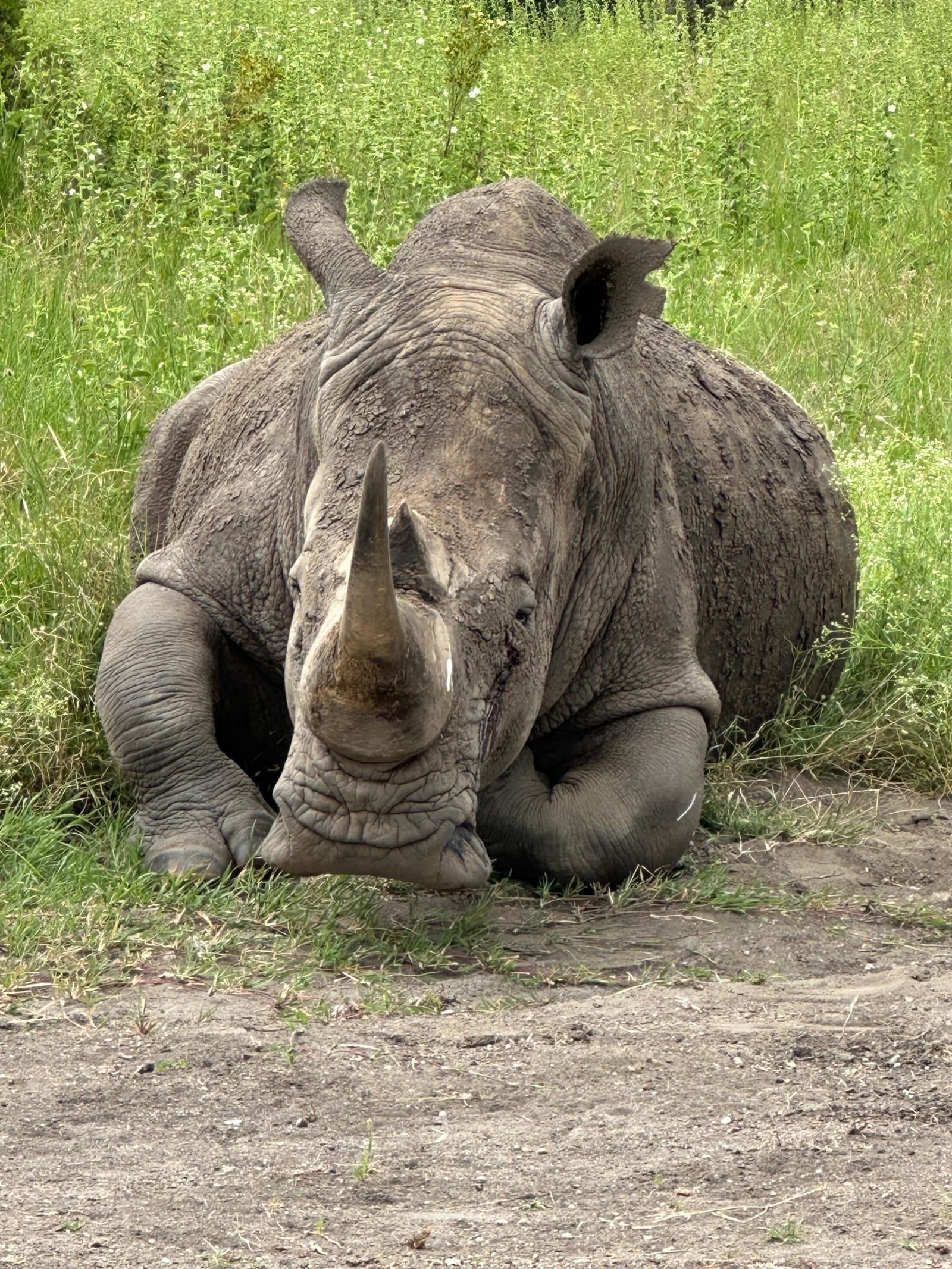
Lake Nakuru National Park is renowned for its incredible wildlife diversity. You can expect to see black and white rhinos, giraffes, zebras, buffalo, leopards, and lions. The park is also famous for its birdlife, particularly flamingos and other water birds that congregate around the alkaline lake. The varied terrain includes grasslands, woodlands, and rocky outcrops, creating diverse habitats for different species. Early morning game drives offer the best opportunities for wildlife viewing as animals are most active during cooler hours.
Yes, Crescent Island is a safe and unique destination for walking safaris among wildlife. The island is a wildlife sanctuary where animals like zebras, giraffes, antelopes, and impalas have become habituated to human presence over time, making close encounters possible. Guided walking safaris are conducted by experienced guides who understand animal behavior and ensure visitor safety. The animals on the island are generally non-aggressive, and the guided format means you'll always have professional supervision. It's one of Kenya's few places where you can walk freely among large herbivores in their natural habitat.
A typical game drive at Lake Nakuru National Park lasts between 3 to 4 hours, though this can vary based on wildlife sightings and your guide's recommendations. Most safari operators conduct morning game drives (starting early, around 6-7 AM) when wildlife is most active and visibility is excellent. Some operators also offer afternoon game drives. The duration allows sufficient time to explore different sections of the park, spot various wildlife, and enjoy photography opportunities. Your guide will adjust the route based on recent animal sightings to maximize your experience.
The best times to visit Lake Naivasha and Lake Nakuru are during the dry seasons: June to October (long dry season) and January to February (short dry season). During these periods, wildlife congregates around water sources, making game viewing easier, and the roads are in better condition for safari travel. The landscape is also clearer with less rain, providing excellent photography opportunities. However, these lakes are accessible year-round, and even during the rainy seasons (March-May and November-December), you'll encounter fewer tourists and lush green scenery. Choose based on your preference for wildlife density versus scenic beauty and crowd levels.
Yes, a 4x4 vehicle is essential for safari experiences in Kenya's Great Rift Valley, including Lake Nakuru and Lake Naivasha areas. These vehicles are specifically designed to handle rough terrain, provide elevated seating for optimal wildlife viewing, and allow for off-road exploration to reach animals in their natural habitat. The suspension and clearance of 4x4s are crucial for navigating unpaved park roads, especially during or after rainy seasons. Professional safari operators use well-maintained 4x4 vehicles with pop-up roofs for photography and wildlife observation. This is why 4x4 safari vehicles are a standard inclusion in most safari packages.
For a 2-day safari in Kenya, pack lightweight, neutral-colored clothing in khaki, beige, and earth tones to blend with the landscape and avoid disturbing wildlife. Bring layers as mornings and evenings can be cool, even in warmer months. Essential items include a wide-brimmed hat, sunscreen, sunglasses, and binoculars for wildlife spotting. Comfortable walking shoes are important for guided walks on Crescent Island. Don't forget a camera with extra batteries and memory cards, a small daypack, and a light jacket or fleece. Personal medications, toiletries, and any required documents should be included. Most safari packages provide bottled drinking water during game drives, but you may want to bring a refillable water bottle. Check weather forecasts for your specific travel dates to pack appropriately.
Safari costs in Kenya's Great Rift Valley vary significantly based on accommodation level, season, and operator. Budget safaris start around $150-300 per person per day, mid-range options range from $300-600 per person per day, and luxury safaris can exceed $1,000 per person per day. A 2-day safari typically falls into the mid-range category. Prices usually include accommodation, meals, park entrance fees, vehicle hire, and a professional guide. Flights to Kenya, visa fees, travel insurance, tips, and personal expenses are typically not included. Booking during shoulder seasons (March-May or November) often offers better rates than peak season (June-October). It's advisable to compare packages from different operators and read reviews to ensure you're getting value for your investment.
Yes, flamingos are one of Lake Nakuru's most iconic features, though their presence varies seasonally. Historically, the lake was famous for massive flocks of lesser flamingos that turned the water pink. However, flamingo populations at Lake Nakuru have fluctuated due to changes in water chemistry and algae levels. When conditions are favorable, you can still see significant numbers of flamingos, particularly during certain times of the year. Even if flamingo numbers are lower, Lake Nakuru remains exceptional for birdwatching, with over 400 bird species recorded in the park, including eagles, cormorants, herons, and other water birds. Your guide will provide current information about flamingo sightings and can suggest the best spots for birdwatching during your visit.
A typical Kenya safari package includes several key components: national park entrance fees, accommodation (usually 1-2 nights in mid-range lodges or camps), meals, a private or shared 4x4 safari vehicle with a professional guide, and game drives or guided walks. Many packages also provide bottled drinking water during activities and airport transfers. However, inclusions vary by operator and package tier. Generally NOT included are international flights, visa fees, travel insurance, tips and gratuities for guides and staff, alcoholic beverages, personal expenses, and activities beyond the main safari (like spa treatments or additional excursions). Always review the specific inclusions and exclusions in your package details before booking, and clarify any uncertainties with the operator to avoid surprises.
Lake Nakuru and Lake Naivasha are located in Kenya's Great Rift Valley, approximately 1.5 to 2 hours' drive northwest of Nairobi. Most travelers reach these lakes by road via the A104 highway, which is well-maintained and scenic. Safari operators typically provide airport transfers or pick-up services from your Nairobi hotel. The drive itself is part of the experience, offering views of the Rift Valley escarpment and rural Kenyan landscapes. Some visitors fly from Nairobi to airstrips near the lakes, though this is more expensive and typically used for longer safari itineraries. Road travel is the standard and most economical option for 2-day safaris. The journey takes roughly 2-3 hours depending on traffic and road conditions, and many operators use this time to brief you on wildlife and cultural information.
 Sanaya Tours and SafarisNairobi, Kenya5.0(4 reviews)
© 2026 SafariFind. All rights reserved.