 1 / 21 / 2
Loading SafariFind...
1 / 2pick from arusha to Tarangire
Meals: Lunch, Dinner
tarangire to Ngorongoro crater
Meals: Breakfast, Lunch, Dinner
Year Round
Year-round
| Season | Solo traveler | 2 people | 3 – 4 people | 5 – 6 people | 7+ people | Child rate | Single suppl. |
|---|---|---|---|---|---|---|---|
Year Round Year-round | $1,070 | $720 | $640 | $610 | $570 | $500 | $210 |
Child rate applies to travelers under 12 years. Single supplement applies to solo travelers taking their own room.
Tarangire National Park is renowned for its exceptional wildlife viewing opportunities. You can expect to see large elephant herds, buffalo, zebras, giraffes, wildebeest, and various antelope species. The park is also home to predators including lions, leopards, and cheetahs. Tarangire is particularly famous for its concentration of elephants, especially during the dry season when animals gather around the Tarangire River. Birdwatchers will also be delighted, as the park hosts over 300 bird species, making it one of Tanzania's premier birding destinations.
A 2-day safari is an excellent introduction to both Tarangire National Park and Ngorongoro Conservation Area. This duration allows you to spend a full day exploring Tarangire's wildlife-rich landscapes and another day visiting the Ngorongoro Crater, one of the world's most spectacular natural wonders. While longer safaris offer more extensive exploration, a 2-day itinerary provides meaningful wildlife encounters, diverse scenery, and a genuine taste of northern Tanzania's ecosystems without requiring an extended time commitment.
The dry seasons offer the best wildlife viewing in northern Tanzania. The primary dry season runs from June to October, when vegetation is sparse, animals congregate around water sources, and visibility is excellent. The short dry season from January to February also provides good game viewing with fewer crowds. During the wet season (November to May), the landscape becomes lush and green, which is ideal for birdwatching and photographing scenic vistas, though wildlife spotting can be more challenging. The best time depends on your priorities: choose June-October for maximum wildlife encounters, or January-February for a balance of wildlife and fewer tourists.
Pack neutral-colored, lightweight clothing suitable for warm days and cool mornings and evenings. Essential items include long-sleeved shirts and trousers for sun and insect protection, a warm layer or fleece for early morning game drives, sturdy walking shoes, and a wide-brimmed hat. Bring high-SPF sunscreen, sunglasses, and insect repellent. A camera with extra batteries and memory cards is crucial for capturing wildlife moments. Don't forget binoculars for better animal viewing, a small daypack, toiletries, and any personal medications. While meals are provided during your safari, you may want to bring snacks and a refillable water bottle to stay hydrated throughout the day.
Yes, a professional guide is essential for a safe, enriching safari experience. Experienced guides possess extensive knowledge of wildlife behavior, ecology, and park geography, significantly enhancing your ability to spot animals and understand their natural behaviors. They can navigate terrain safely, identify bird and plant species, and ensure you follow park regulations and wildlife safety protocols. A knowledgeable English-speaking guide transforms your safari from simple sightseeing into an educational journey, providing context about ecosystems, animal conservation, and local culture. Their expertise also helps maximize your wildlife viewing opportunities, particularly in spotting elusive predators and interpreting animal movements and interactions.
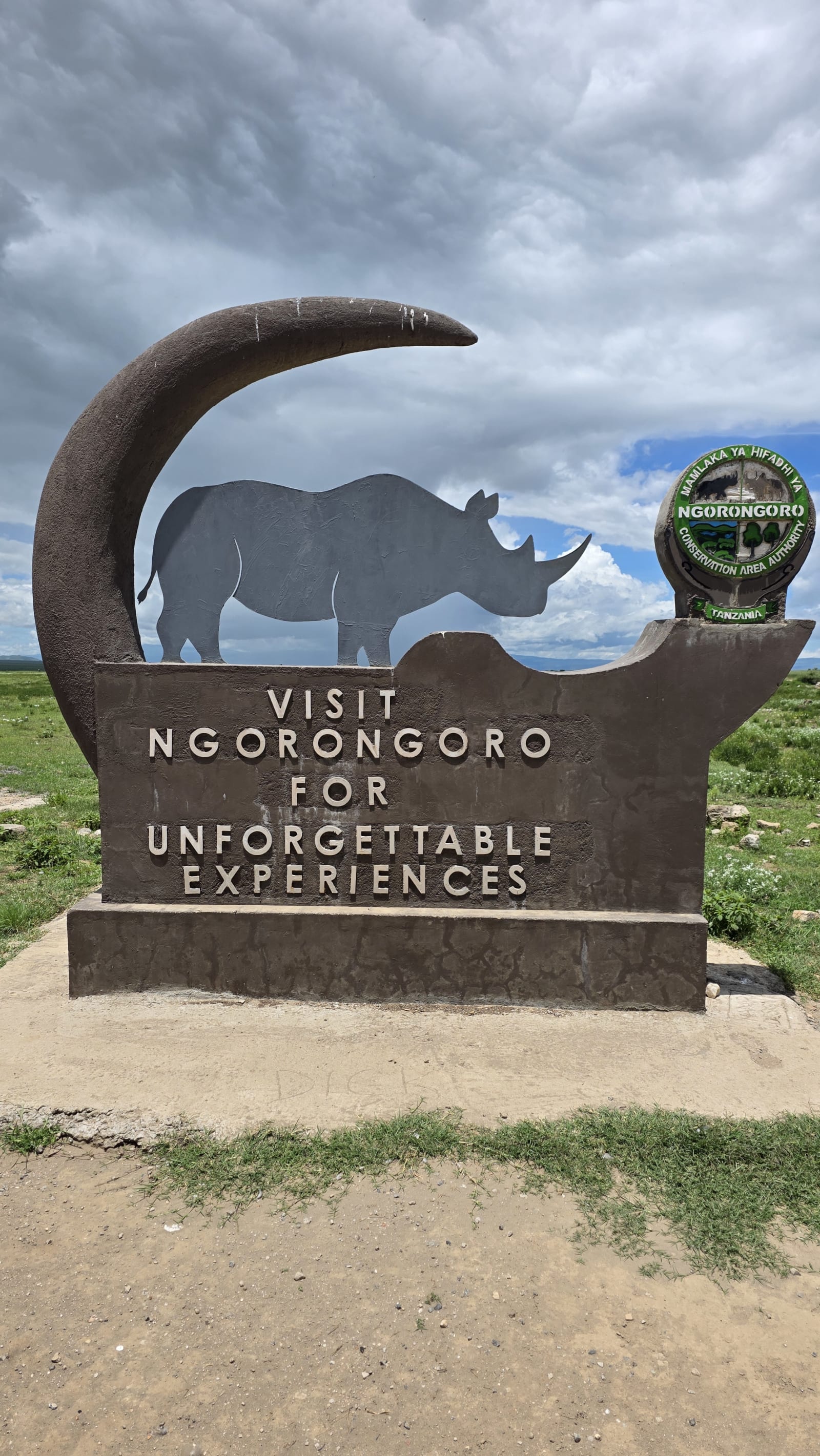
The Ngorongoro Crater is a UNESCO World Heritage Site and one of the world's largest intact volcanic calderas, formed approximately 2.5 million years ago. The crater spans about 19 kilometers across and descends roughly 600 meters, creating a self-contained ecosystem that supports an estimated 25,000 large animals. It's famous for its exceptional wildlife density, where you can encounter lions, elephants, buffalo, zebras, wildebeest, rhinos, and numerous other species within a relatively compact area. The crater's unique geology, combined with its permanent water sources and fertile volcanic soil, creates ideal conditions for wildlife. The stunning landscape—with its steep walls, green crater floor, and soda lakes—makes it one of Tanzania's most visually spectacular destinations and a UNESCO-protected natural wonder.
Visa requirements for Tanzania depend on your nationality. Most visitors require a visa, which can be obtained on arrival at Julius Nyerere International Airport in Dar es Salaam or pre-arranged through the Tanzanian embassy or online e-visa system. It's advisable to check current visa requirements with the official Tanzanian immigration website or your nearest embassy well before your travel dates, as regulations can change. Additionally, ensure your passport is valid for at least 6 months beyond your intended departure date. Some nationalities may be exempt from visa requirements, so verification with official sources is essential for accurate, up-to-date information.
A comprehensive safari package typically includes three meals daily: breakfast, lunch, and dinner throughout your safari experience. Breakfast is usually served early before morning game drives, providing energy for wildlife viewing. Lunch is often taken during a midday break, sometimes at scenic viewpoints or lodge facilities. Dinner is served in the evening after afternoon game drives, allowing time to relax and reflect on the day's wildlife encounters. Meals are prepared according to the safari itinerary and typically feature a mix of local and international cuisine. The inclusion of all meals ensures you're well-nourished throughout your adventure without additional meal planning or expenses during the safari itself.
Arusha serves as the primary gateway to northern Tanzania's safari destinations. Tarangire National Park is approximately 120 kilometers from Arusha, roughly a 2-3 hour drive depending on road conditions. Ngorongoro Conservation Area is about 80 kilometers from Arusha, typically a 2-2.5 hour drive. Both destinations are easily accessible by road from Arusha, making it a convenient base for organizing safari trips. The relatively short distances mean you can depart early in the morning and reach your destination with time for afternoon game viewing. Arusha's location makes it ideal for combining visits to multiple northern Tanzania attractions within a short timeframe, such as a 2-day safari covering both parks.
Both destinations offer exceptional wildlife experiences but with distinct characteristics. Tarangire National Park covers a larger area and is known for its vast elephant herds, diverse predator populations, and extensive birdlife across varied landscapes including woodlands, grasslands, and riverine habitats. The Tarangire River creates a natural focal point for wildlife concentration. Ngorongoro Crater, conversely, is a compact ecosystem where wildlife is concentrated within the crater floor, offering exceptional viewing opportunities in a smaller area. Ngorongoro is particularly famous for its rhino population and the density of large animals visible from the crater rim. Tarangire suits those seeking expansive landscapes and diverse habitats, while Ngorongoro offers dramatic scenery and concentrated wildlife encounters. Together, they provide complementary safari experiences showcasing different ecosystems and wildlife distributions.
 Utele SafariArusha, Tanzania
© 2026 SafariFind. All rights reserved.