 1 / 71 / 7
Loading SafariFind...
1 / 7Arusha – Tarangire National Park
Tarangire National Park
Meals: Lunch, Dinner
Ngorongoro Crater – Return to Arusha
Ngorongoro Crater
Meals: Breakfast, Lunch
Year Round
Year-round
| Season | 2 people |
|---|---|
Year Round Year-round | $1,670 |
Tarangire National Park is renowned for its massive elephant herds—among the largest concentrations in Africa—alongside diverse predator populations including lions, leopards, and cheetahs. You'll also encounter zebras, wildebeest, giraffes, buffalo, and numerous antelope species. The park is exceptionally rich in birdlife, with over 500 bird species recorded, making it a paradise for ornithologists. The wildlife congregates around the life-giving Tarangire River, particularly during the dry season, which concentrates viewing opportunities and increases your chances of memorable encounters.
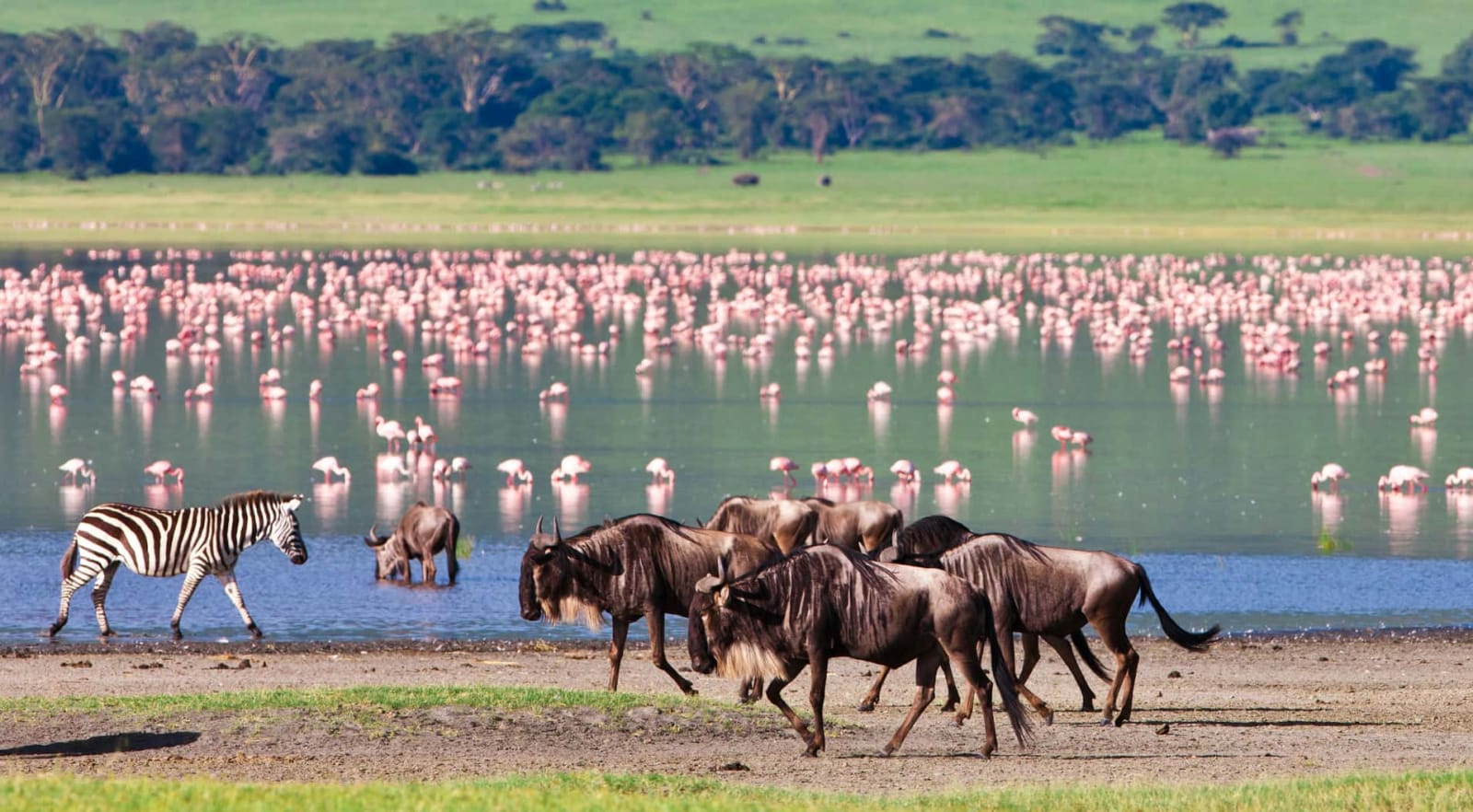
The Ngorongoro Crater is a natural amphitheater—a self-contained ecosystem where wildlife is naturally concentrated within the crater walls. This enclosed environment creates exceptional viewing dynamics, as animals have nowhere to migrate and remain year-round, offering consistent wildlife sightings. The crater floor supports a diverse population including the Big Five, zebras, wildebeest, and over 500 bird species. The dramatic landscape and high predator-to-prey ratio make it one of Africa's most extraordinary wildlife viewing destinations, with excellent photographic opportunities across varied terrain.
Yes, absolutely. A 2-day safari across Tarangire and Ngorongoro delivers a remarkably concentrated and authentic experience. With two full days of game drives across two distinct ecosystems, you'll encounter exceptional wildlife variety and dramatic landscape changes. These destinations have naturally high wildlife concentrations, meaning shorter itineraries often yield better viewing success rates than longer, more spread-out safaris. This compact timeframe is ideal for travelers seeking genuine wildlife encounters without sacrificing depth, and many first-time safari visitors find it perfectly satisfying for their introduction to African game viewing.
The dry season from June to October offers peak wildlife viewing conditions. During these months, water sources become scarce, causing wildlife to congregate around remaining water points like the Tarangire River, dramatically increasing your chances of sightings. Vegetation is also thinner during the dry season, making animals easier to spot. The weather is pleasant with cooler temperatures and minimal rainfall. However, both parks offer year-round wildlife viewing—the wet season (November–May) brings lush landscapes, migratory bird arrivals, and fewer tourists, though some roads may be more challenging and wildlife is more dispersed.
Yes, both Tarangire National Park and the Ngorongoro Crater offer excellent opportunities to encounter the Big Five: lions, elephants, buffalo, leopards, and rhinoceros. Tarangire is particularly famous for its elephant populations, while both destinations support healthy predator populations. Ngorongoro's enclosed ecosystem means wildlife remains concentrated year-round, increasing sighting probability. However, wildlife viewing is never guaranteed—sightings depend on factors like season, weather, guide expertise, and timing. Professional guides significantly improve your chances by knowing animal behavior patterns and movement corridors.
Absolutely. This safari is an ideal introduction to African wildlife viewing. The compact 2-day duration prevents safari fatigue while delivering authentic, unforgettable experiences. Both destinations have naturally high wildlife concentrations, so first-time visitors typically enjoy excellent sightings without needing extensive safari experience. The mid-range luxury positioning includes professional English-speaking guides who enhance your understanding of animal behavior and ecosystems, quality accommodations that provide comfort after full days of game drives, and thoughtfully planned itineraries that balance game viewing with rest. Many travelers find this concentrated experience more rewarding than longer, more complex multi-week safaris.
Pack neutral-colored clothing in earth tones (khaki, tan, olive, brown) to blend into the landscape and avoid startling wildlife. Bring lightweight, breathable fabrics for daytime warmth and a warm layer for early morning and evening game drives, which can be cool. Essential items include a wide-brimmed hat, high-SPF sunscreen, sunglasses, and a good camera with a telephoto lens for wildlife photography. Binoculars enhance bird and distant animal viewing. Comfortable walking shoes are important for lodge exploration, though you'll spend most time in the vehicle. Pack any personal medications, insect repellent, and toiletries—while accommodations provide basics, remote locations have limited shopping. A small daypack is useful for carrying water, snacks, and camera gear during game drives.
Both parks are accessible via road from Arusha, Tanzania's main safari gateway. Tarangire National Park is approximately 2 hours' drive south of Arusha, while the Ngorongoro Crater is about 2.5 hours' drive southwest. Most safari packages include private 4x4 vehicle transfers from Arusha airport, which is the most convenient and comfortable option. The drive itself offers scenic views of Tanzanian landscapes and allows acclimatization before game drives begin. Roads are generally well-maintained, though some sections may be unpaved. Professional guides typically drive, allowing you to relax and observe the landscape. If you're arriving by international flight, you'll land at Kilimanjaro International Airport (about 1 hour from Arusha) or Arusha Airport itself.
Most comprehensive safari packages include three meals daily—breakfast, lunch, and dinner—prepared at your accommodation or provided as packed meals during game drives. Breakfast is typically served early before morning game drives, lunch is often a substantial midday meal at the lodge, and dinner is a more leisurely evening meal. Bottled water is provided throughout the day during game drives to keep you hydrated in the African heat. Many packages also include beer and wine with meals, enhancing the safari experience. However, check your specific package inclusions, as some budget options may have different meal arrangements. Always confirm dietary requirements (vegetarian, vegan, allergies) when booking, as lodges can typically accommodate special requests with advance notice.
Travel insurance is strongly recommended for any international safari trip, covering trip cancellations, medical emergencies, and evacuation—important given remote locations. Check that your policy covers safari activities and high-altitude destinations. Regarding vaccinations, consult your doctor or travel health clinic at least 4-6 weeks before departure. Yellow fever vaccination is recommended (sometimes required for entry, depending on your origin country), and typhoid, hepatitis A, and tetanus are commonly advised. Malaria prophylaxis is typically recommended for Tarangire and Ngorongoro regions—discuss options with your healthcare provider. Visa requirements vary by nationality; check Tanzania's official immigration website or your country's embassy for current requirements. Travel insurance and vaccinations are your responsibility and not included in most safari packages, so arrange these well in advance of your trip.
 VISION SAFARI & TOURSARUSHA, Tanzania
© 2026 SafariFind. All rights reserved.