 1 / 5
1 / 5 3 daysshared
Loading SafariFind...
1 / 5Awash National Park
Awash National Park
Meals: Dinner
Awash National Park to Ali Dege National Park
Awash National Park
Meals: Breakfast, Lunch, Dinner
Ali Dege to Addis Ababa
Addis Ababa
Meals: Breakfast
Year Round
Year-round
| Season | 2 people |
|---|---|
Year Round Year-round | $1,160 |
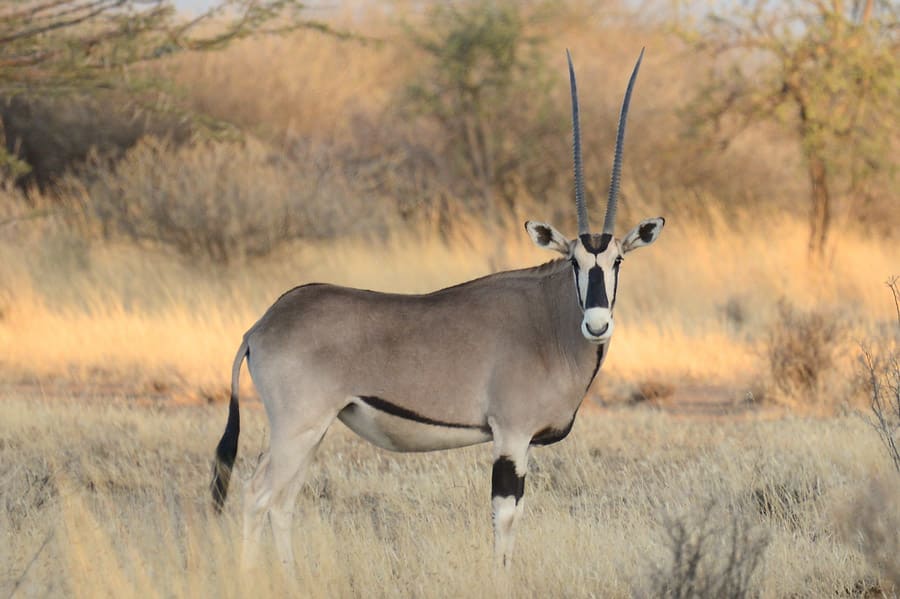
Awash National Park is home to a diverse array of wildlife that makes it a rewarding destination for safari enthusiasts. You can expect to see hamadryas baboons, oryx, kudu, and a thriving population of Somali wild asses. The park is also exceptional for birdwatching, with over 450 bird species recorded, making it one of Africa's premier birding destinations. The Awash River acts as a wildlife corridor where predators and prey converge, offering excellent opportunities to observe animals in their natural habitat. Wildlife viewing is consistent throughout the year, particularly along the river where animals gather to drink.
The optimal time to visit Awash National Park is between October and March. During these months, you'll experience the dry season, which concentrates wildlife around water sources, making encounters more frequent and predictable. The temperatures are also more comfortable for extended game drives and outdoor activities. This period is particularly ideal for photographers, as the weather is stable and the lighting conditions are favorable for capturing stunning images of both wildlife and the dramatic Rift Valley landscape.
Awash National Park is located approximately 225 kilometers east of Addis Ababa, making it accessible via a scenic 4-5 hour drive. The journey itself is a photographic experience, as you'll travel through stunning Rift Valley scenery with dramatic volcanic peaks and geological formations. The drive provides an excellent introduction to Ethiopia's diverse landscapes before you arrive at the park for your safari experience.
Yes, a 3-day safari is an effective timeframe for experiencing Awash National Park. The itinerary typically includes two full days of game drives, which allows sufficient time to explore the park's diverse ecosystems—acacia woodlands, volcanic plains, and riverine corridors—and encounter its abundant wildlife. While longer safaris provide more extensive exploration, a well-planned 3-day trip with experienced guides maximizes your chances of meaningful wildlife encounters and photography opportunities. The park's concentrated wildlife populations, especially along the river, make shorter visits productive.
The Great Rift Valley is one of Africa's most dramatic geological features, characterized by volcanic ridges, geothermal activity, and spectacular escarpments that shape the landscape of Awash National Park. For safari photographers, the Rift Valley setting is exceptional because it provides stunning natural backdrops that elevate wildlife photography beyond standard safari imagery. The volcanic peaks frame pristine wildlife habitats, and the golden light that bathes the savanna creates ideal conditions for photography throughout the day. The combination of dramatic geology and abundant wildlife makes every photograph more compelling and visually striking.
For a safari in Awash National Park, pack lightweight, neutral-colored clothing suitable for warm daytime temperatures and cooler evenings. Essential items include a wide-brimmed hat, sunglasses, and high-SPF sunscreen for protection against the intense African sun. Bring binoculars for wildlife viewing and a quality camera with telephoto lenses if you're interested in photography. A light jacket or sweater is recommended for early morning and evening game drives when temperatures drop. Comfortable, sturdy walking shoes are important for any guided walks. Don't forget insect repellent, a refillable water bottle, and any personal medications. Check with your tour operator for specific recommendations based on the season of your visit.
Visa requirements for Ethiopia depend on your nationality. Many countries can obtain an e-visa online through the Ethiopian immigration portal, while others may need to apply at an embassy or consulate. It's essential to check the current visa requirements for your specific country well in advance of your trip. Additionally, consult official health resources regarding any vaccinations or health precautions recommended for travel to Ethiopia, such as yellow fever vaccination. Your tour operator can provide guidance on visa procedures and health requirements, but it's best to verify all requirements through official government sources before booking your safari.
Awash National Park is considered a hidden gem in Ethiopia's tourism landscape. While it offers wildlife viewing and natural beauty comparable to more famous safari destinations in Kenya and Tanzania, it receives fewer international visitors, making it a less crowded alternative. This lower visitor volume means more intimate wildlife encounters, less competition for prime game-viewing spots, and a more authentic safari experience. The park's dramatic Rift Valley setting and diverse ecosystems—acacia woodlands, volcanic plains, and riverine corridors—support abundant wildlife year-round, yet the park remains relatively undiscovered by mainstream safari tourism, allowing for a more peaceful and personal connection with nature.
A comprehensive Awash National Park safari package typically includes all park entrance fees and scout fees, ensuring hassle-free access to the park. Meals throughout the tour—breakfast, lunch, and dinner—are provided, so you won't need to arrange dining separately. All game drives and guided excursions as outlined in the itinerary are included, with experienced guides leading your wildlife exploration. Government taxes and service charges are also covered in the package price. It's important to note that personal expenses and tips are generally not included, so budget accordingly for any additional purchases or gratuities for guides and staff who provide exceptional service.
Awash National Park is a paradise for birdwatchers, with over 450 bird species recorded within the park. This exceptional avian diversity makes it one of Africa's premier birding destinations. The variety of habitats—from acacia woodlands to riverine corridors—supports different bird species throughout the year. Whether you're a dedicated birder or a general wildlife enthusiast, the prolific birdlife provides excellent photography opportunities and adds another dimension to your safari experience. The best time for birdwatching is during the dry season from October to March, when birds congregate around water sources and visibility is optimal.
© 2026 SafariFind. All rights reserved.
