 1 / 6
1 / 6 3 daysprivate
Loading SafariFind...
1 / 6Arrival and First Immersion into Tanzania's Wilderness
Meals: Dinner
Journey to the Ngorongoro Crater and Intensive Wildlife Exploration
Ngorongoro Crater
Meals: Breakfast, Lunch, Dinner
Deep Immersion in Ngorongoro's Ecosystem and Departure
Ngorongoro Crater
Meals: Breakfast
High Season
Jun 2026 – Oct 2026
Low Season
Nov 2026 – May 2027
| Season | Solo traveler | 2 people | 3 – 4 people | 5 – 6 people | 7+ people | Child rate | Single suppl. |
|---|---|---|---|---|---|---|---|
High Season Jun 2026 – Oct 2026 | $1,490 | $990 | $890 | $840 | $790 | $690 | $300 |
Low Season Nov 2026 – May 2027 | $1,260 |
Child rate applies to travelers under 12 years. Single supplement applies to solo travelers taking their own room.
The Ngorongoro Crater offers excellent wildlife viewing year-round due to its self-contained ecosystem, but the best times are during the dry seasons: June to October and January to February. During these periods, wildlife congregates around water sources, making sightings more frequent and predictable. The dry season also provides clearer skies for photography and more comfortable game driving conditions. However, the crater's unique geography means animals remain concentrated throughout the year, so any season can deliver exceptional encounters.
Yes, a focused 3-day safari in Tanzania's premier wildlife areas like the Ngorongoro Crater offers excellent opportunities to encounter the Big Five: lion, elephant, buffalo, leopard, and rhinoceros. The concentrated nature of wildlife in the crater ecosystem, combined with expert guides who understand animal behavior patterns and positioning vehicles strategically, significantly increases your chances of Big Five sightings. While wildlife encounters are never guaranteed, the intensive daily schedule and prime game viewing corridors maximize your exposure to these iconic species.
Pack neutral-colored, lightweight clothing in earth tones (khaki, tan, olive) that blend with the landscape and don't disturb wildlife. Bring layers for early morning and evening game drives when temperatures drop. Essential items include a wide-brimmed hat, high-SPF sunscreen, sunglasses, comfortable walking shoes, and binoculars. For photography, bring extra camera batteries and memory cards. Pack a light rain jacket for the rainy seasons. Don't forget personal medications, insect repellent, and a small first-aid kit. Most ultra-luxury lodges provide toiletries, but bring any specific products you prefer. Check with your operator for specific recommendations based on the season.
No prior photography experience is necessary to enjoy a safari and capture stunning images. Whether you're using a smartphone, compact camera, or professional DSLR, expert guides on Tanzania safaris are experienced in positioning vehicles for optimal wildlife photography opportunities. They understand animal behavior, anticipate dramatic moments, and time game drives to coincide with golden-hour light that creates compelling photographs. Your guide will offer tips on framing, timing, and technique. The key is bringing a camera you're comfortable with and being ready to capture moments—the guides handle the rest.
Tanzania is a well-established safari destination with a strong tourism infrastructure and excellent safety records. Ultra-luxury safari operators maintain rigorous safety protocols, employ experienced guides trained in wildlife behavior and emergency procedures, and use well-maintained vehicles with communication equipment. Game drives occur in designated national parks and protected areas where wildlife management is professional and regulated. Your guide will brief you on safety procedures and maintain appropriate distances from animals. Standard travel precautions apply, such as purchasing travel insurance and checking current health advisories. Consult your government's travel advisory and speak with your safari operator about any specific concerns.
Ultra-luxury safari packages typically include accommodations at premium lodges, all meals (breakfast, lunch, and dinner), private 4x4 safari vehicles, professional guides, park entrance fees, airport transfers, and daily game drives. Your package covers bottled water during drives and government taxes. What distinguishes ultra-luxury experiences is the caliber of accommodations with exceptional amenities, personalized service, gourmet cuisine prepared by skilled chefs, and exclusive or priority access to prime wildlife viewing locations. However, international airfare, travel insurance, visa fees, vaccinations, personal expenses, and gratuities are typically not included. Confirm what's covered with your operator before booking.
Most safari game drives start very early in the morning, typically between 5:30 and 6:30 AM, to coincide with peak wildlife activity when animals are most active and visible. Morning light during this 'golden hour' also provides ideal conditions for photography. Afternoon game drives usually begin around 3:00 to 4:00 PM and continue until sunset. This early schedule might seem challenging, but it's essential for maximizing wildlife encounters. Ultra-luxury lodges typically provide hot coffee and light refreshments before departing, and breakfast is served upon return. Evening game drives offer different wildlife viewing opportunities and spectacular sunset photography moments.
Vaccinations are an important consideration for Tanzania travel. Yellow fever vaccination is recommended and may be required depending on your country of origin and travel history. Malaria prevention is essential, as the disease is present in many safari regions. Consult with a travel health clinic or your doctor at least 4-6 weeks before departure to discuss recommended vaccinations and antimalarial medications based on your medical history and specific itinerary. Common recommendations include vaccinations for hepatitis A and B, typhoid, and routine immunizations. Your safari operator can provide information about malaria risk in specific areas and lodge locations. Never skip professional medical advice—travel clinics specialize in destination-specific health guidance.
The Ngorongoro Crater is a UNESCO World Heritage Site and one of Africa's most remarkable natural wonders—a massive volcanic caldera in northern Tanzania that spans approximately 19 kilometers in diameter. What makes it exceptional for safaris is its self-contained ecosystem where an estimated 25,000 large animals live within the crater floor. This concentration creates some of Africa's highest wildlife densities, meaning you're likely to encounter diverse species including the Big Five without extensive searching. The crater's dramatic landscape, with steep walls and diverse habitats from grassland to acacia forest, provides stunning backdrops for photography. The ecosystem's isolation has created unique viewing opportunities found nowhere else, making it a bucket-list destination for serious safari enthusiasts.
Visa requirements for Tanzania depend on your nationality. Many nationalities can obtain a tourist visa on arrival at Kilimanjaro International Airport or other entry points, though this process can be time-consuming. Alternatively, you can apply for an e-visa online before travel, which is faster and more convenient. The application process is straightforward and typically takes a few days. Visa fees vary by nationality and processing method. Check the official Tanzania immigration website or contact your nearest Tanzanian embassy or consulate for your specific country's requirements well in advance of your travel dates. Your safari operator may also provide guidance on visa procedures. Ensure your passport is valid for at least six months beyond your travel dates.
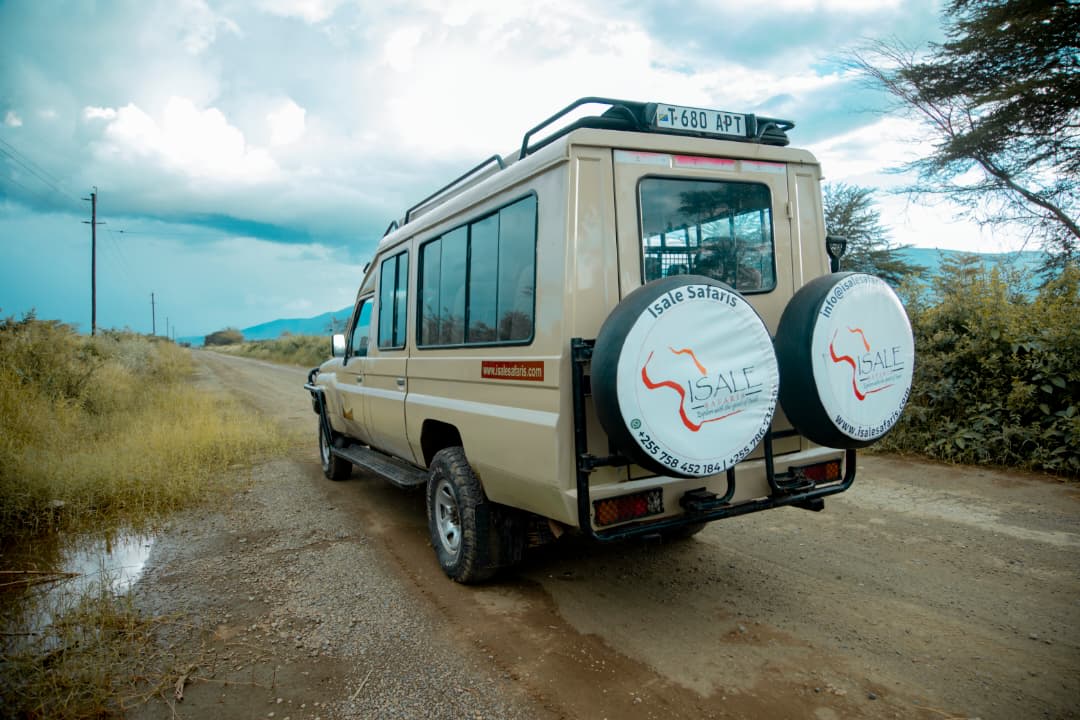
 isale safaris company limitedkilimanjaro, Tanzania
© 2026 SafariFind. All rights reserved.
| $840 |
| $760 |
| $720 |
| $670 |
| $690 |
| $300 |