 1 / 41 / 4
Loading SafariFind...
1 / 4Arusha → Tarangire National Park
Tarangire National Park
Meals: Dinner
Lake Manyara National Park → Ngorongoro Highlands
Ngorongoro Crater
Meals: Breakfast, Lunch, Dinner
Ngorongoro Crater → Arusha
Arusha
Meals: Breakfast
Year Round
Year-round
| Season | 2 people |
|---|---|
Year Round Year-round | $1,600 |
Tarangire National Park is renowned for its exceptional wildlife viewing opportunities. The park is famous for its vast elephant herds—among the largest concentrations in Tanzania—along with lions, giraffes, zebras, buffalo, and numerous bird species. The park's iconic ancient baobab trees provide a stunning backdrop for game drives across open savannahs. The Tarangire River attracts animals year-round, making it an excellent destination for wildlife photography and observation. The diverse landscape and abundance of wildlife make Tarangire a highlight of any northern Tanzania safari.
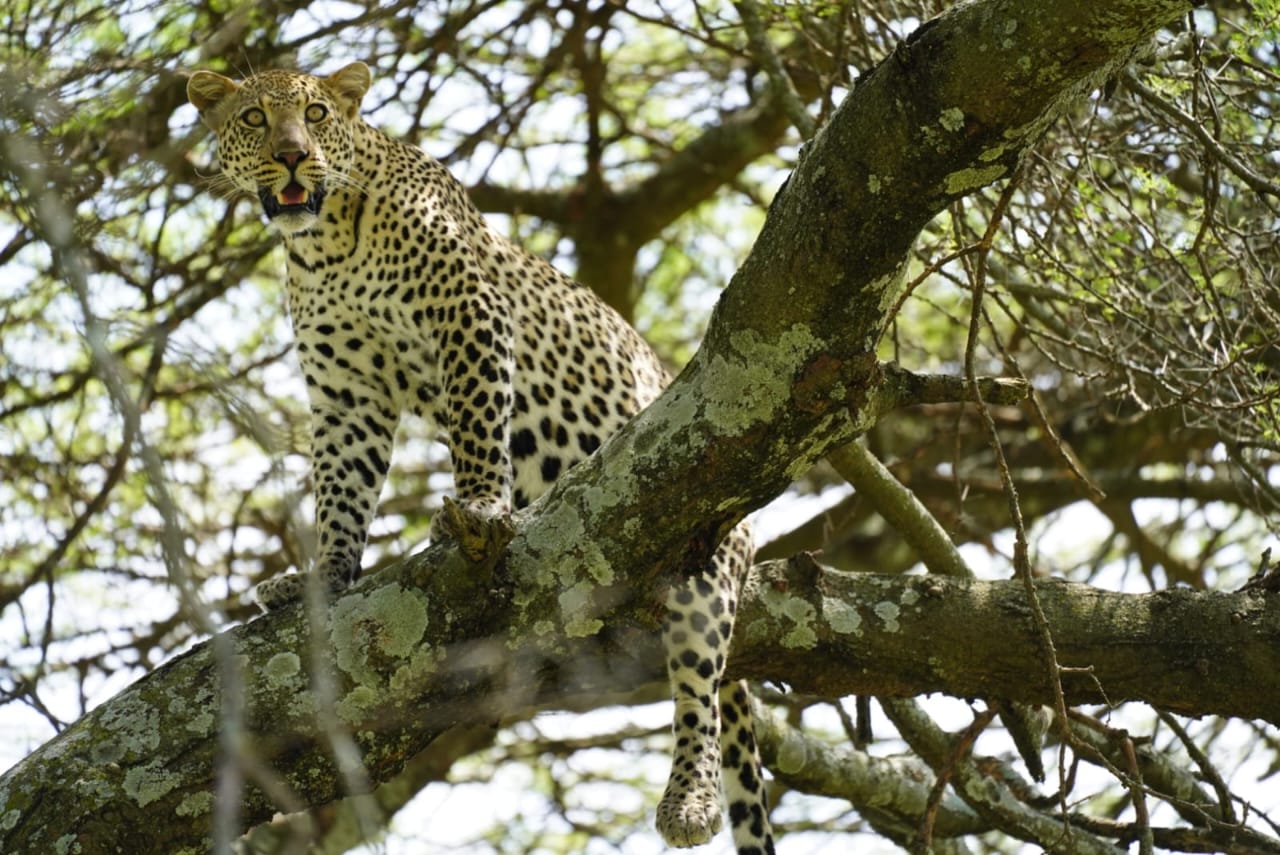
Yes, Lake Manyara National Park is known for its rare tree-climbing lions, a unique behavior not commonly observed in other African parks. These lions are adapted to the park's specific environment and have learned to climb acacia trees, likely to escape insects and find cooler resting spots. Spotting these remarkable lions is one of the most exciting aspects of visiting Lake Manyara, making every game drive potentially rewarding and unpredictable. The park's diverse landscape—featuring groundwater forest, open plains, and lake shoreline—provides excellent habitat for these and many other wildlife species.
Yes, Ngorongoro Crater offers an excellent chance of spotting the Big Five within a single location. As a UNESCO World Heritage Site and one of Africa's most concentrated wildlife areas, the crater is home to lions, elephants, buffalo, leopards, and notably, the rare black rhino. The crater's unique volcanic landscape—filled with grasslands, forests, and soda lakes—creates diverse habitats that support a remarkable density of wildlife. The enclosed nature of the crater means animals have limited space to roam, increasing the likelihood of sightings compared to larger national parks.
The best time to visit Tanzania's northern safari circuit, including Tarangire, Lake Manyara, and Ngorongoro, depends on your priorities. The dry season from June to October offers excellent game viewing as animals congregate around water sources, providing consistent wildlife sightings and clear skies for photography. December to February is the short rainy season, which brings lush green landscapes and excellent birdwatching. The long rains from March to May are generally less ideal for safari due to muddy roads and reduced visibility. Each season offers unique advantages, so consider your wildlife viewing preferences and weather tolerance when planning your trip.
A 3-day safari is an excellent short itinerary for experiencing Tanzania's northern safari circuit, allowing you to visit three of the region's most iconic destinations: Tarangire National Park, Lake Manyara National Park, and Ngorongoro Crater. This duration provides a rewarding wildlife experience with sufficient time for multiple game drives and exploration of each location's unique features. While longer safaris of 5-7 days allow for deeper exploration and increased wildlife viewing opportunities, a well-planned 3-day safari captures the highlights and is ideal for travelers with limited time who still want an immersive African safari experience.
For a 3-day safari in Tanzania, pack lightweight, neutral-colored clothing suitable for both warm days and cool mornings and evenings. Essential items include long-sleeved shirts and pants for sun and insect protection, a warm fleece or jacket for early morning game drives, comfortable walking shoes, and a hat or cap. Bring high-SPF sunscreen, sunglasses, and insect repellent. Pack binoculars for wildlife viewing, a camera with extra batteries and memory cards, and any personal medications. Include toiletries, though most lodges provide basic amenities. A small daypack is useful for carrying water and personal items during game drives. Check your lodge's specific recommendations, as accommodation standards may influence packing choices.
Visa requirements for Tanzania depend on your nationality. Many countries' citizens can obtain a visa on arrival at Tanzanian airports, while others may need to apply in advance at a Tanzanian embassy or through an online e-visa system. It is essential to check the current visa requirements for your specific country well before your travel dates, as regulations can change. Most safari operators can provide guidance on visa procedures, and some travel agencies offer visa assistance services. Additionally, ensure your passport is valid for at least six months beyond your intended departure date. For the most current and accurate information, consult the official Tanzanian immigration website or your nearest Tanzanian embassy.
Several vaccinations are commonly recommended for travelers to Tanzania, including yellow fever, which may be required depending on your country of origin. Malaria prophylaxis is typically advised, especially for the northern safari regions. Vaccinations for typhoid, hepatitis A, and routine immunizations (such as MMR and tetanus) are also generally recommended. The specific vaccinations you need depend on your medical history, the regions you'll visit, and current disease prevalence. It is crucial to consult with a travel medicine clinic or your healthcare provider at least 4-6 weeks before your trip to receive personalized recommendations and ensure you have adequate time for any required vaccinations. They can also prescribe appropriate malaria prevention medications based on the specific areas you'll visit.
A comprehensive northern Tanzania safari package typically includes all national park entrance fees, professional English-speaking guides, private 4x4 safari vehicle transportation, and accommodation at selected lodges. Most packages provide three meals daily (breakfast, lunch, and dinner), bottled water during game drives, and airport transfers for convenience. Government taxes and VAT are usually included in the quoted price. However, packages typically exclude international airfare, travel insurance, visa fees, alcoholic beverages, tips and gratuities, personal expenses, and optional activities. It's important to clarify exactly what is and isn't included when booking, as some operators may offer variations or add-ons to enhance your safari experience.
Game drives on a Tanzania safari typically last 3-4 hours, though durations can vary based on wildlife activity and your guide's recommendations. Morning game drives usually start before sunrise to catch animals during their most active period, while afternoon drives begin in the late afternoon and continue into early evening. Some safari operators offer full-day excursions with a break for lunch at a scenic spot. The length and timing of game drives may be adjusted based on wildlife sightings, weather conditions, and lodge schedules. Your professional guide will optimize drive times to maximize wildlife viewing opportunities while ensuring your comfort. Multiple game drives across different days and parks significantly increase your chances of encountering diverse wildlife species.
 Pumba ReisenArusha, Tanzania
© 2026 SafariFind. All rights reserved.