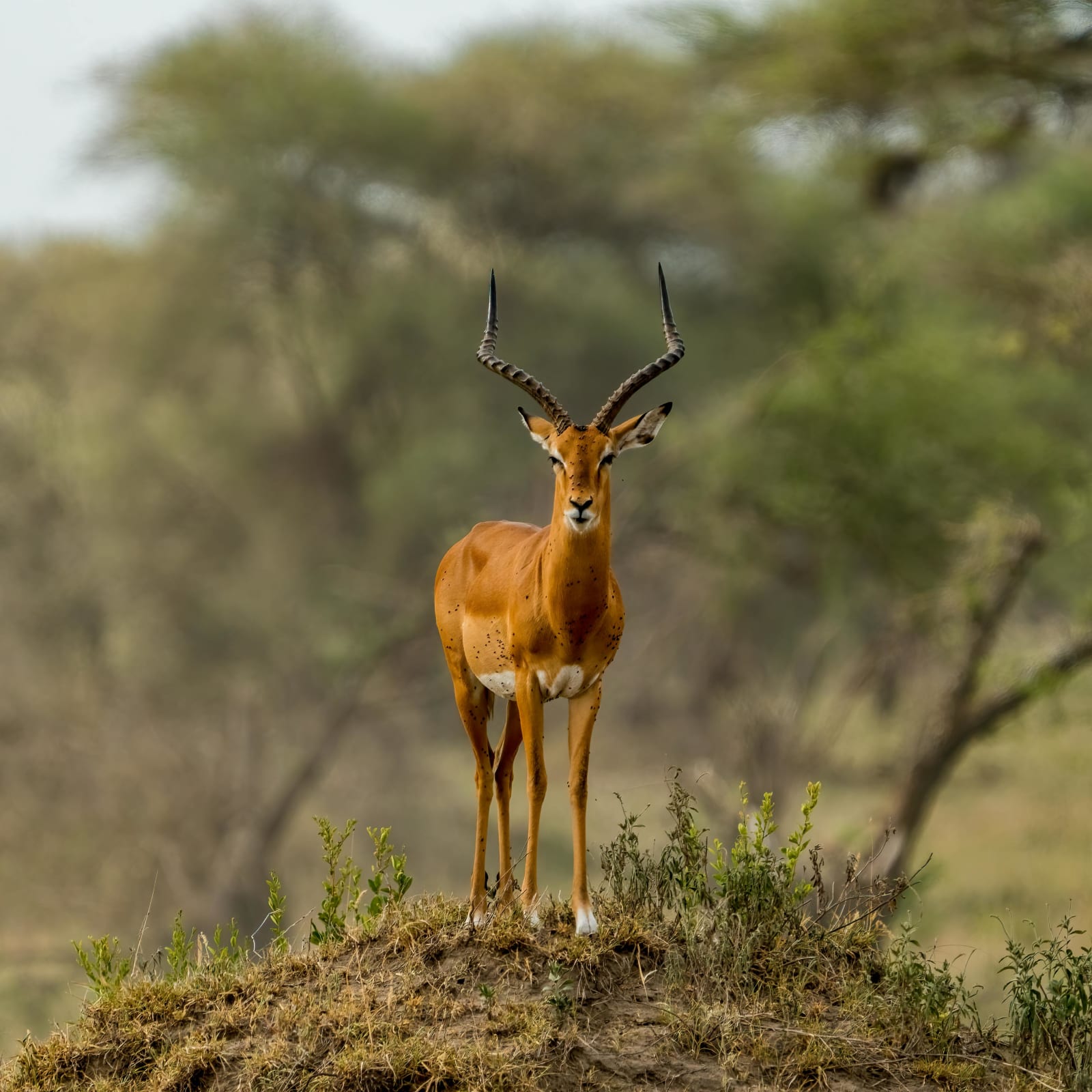
7 daysprivate
7-Day Maasai Mara ,Lake Nakuru, Lake Naivasha, Amboseli National Park
Highlights
- • Big Five game drives in Maasai Mara
- Witness the Great Wildebeest Migration
Loading SafariFind...
Nairobi to Maasai Mara
Maasai Mara National Reserve
Meals: Lunch, Dinner
Full Day Maasai Mara National Reserve
Maasai Mara National Reserve
Meals: Breakfast, Lunch, Dinner
Maasai Mara to Lake Nakuru
Lake Nakuru National Park
Meals: Breakfast, Lunch, Dinner
Lake Nakuru to Lake Naivasha
Lake Naivasha
Meals: Breakfast, Lunch, Dinner
Lake Naivasha to Amboseli National Park
Amboseli National Park
Meals: Breakfast, Lunch, Dinner
Full Day Exploration of the Amboseli National Park
Amboseli National Park
Meals: Breakfast, Lunch, Dinner
Amboseli to Nairobi
Nairobi
Meals: Breakfast
Year Round
Year-round
| Season | Solo traveler | 2 people | 3 – 4 people | 5 – 6 people | 7+ people | Child rate | Single suppl. |
|---|---|---|---|---|---|---|---|
Year Round Year-round | $3,420 | $2,280 | $2,050 | $1,940 | $1,820 | $1,590 | $680 |
Child rate applies to travelers under 12 years. Single supplement applies to solo travelers taking their own room.
The Masai Mara is home to one of the highest concentrations of predators in Africa, making it exceptional for wildlife viewing. You can expect to see lions, leopards, cheetahs, African buffalo, zebras, wildebeest, giraffes, hyenas, and numerous antelope species. The reserve is particularly renowned for its predator populations, offering excellent opportunities for observing hunting behavior and big cat interactions. Birdwatchers will also find over 450 bird species throughout the ecosystem. The density of wildlife is highest during the Great Migration season (July-October), when massive herds of wildebeest and zebras move through the reserve, attracting large predator concentrations.
Kenya offers excellent safari experiences year-round, but the best times depend on what you want to see. The dry seasons—July to October and January to February—provide the best wildlife viewing because animals congregate around water sources, making them easier to spot. July to October is peak season for the Great Migration in the Masai Mara, when massive herds cross the savannah. The rainy seasons (March-June and November) are less crowded, offer lush landscapes, and are ideal for birdwatching and photography. October to November and March to May are shoulder seasons with pleasant weather and good wildlife viewing at lower costs. Choose based on your priorities: migration spectacle, predator activity, or birdwatching opportunities.
Pack neutral-colored, lightweight clothing in earth tones (khaki, tan, olive green) to blend into the landscape and avoid disturbing wildlife. Bring long sleeves and pants for sun protection and to guard against insects. Essential items include a wide-brimmed hat, sunglasses, high-SPF sunscreen, insect repellent, and a light rain jacket. Comfortable, broken-in walking shoes and closed-toe hiking boots are crucial for uneven terrain. Include binoculars for wildlife viewing, a camera with extra batteries and memory cards, and any personal medications. Bring layers as early mornings and evenings can be cool, especially at higher elevations near Amboseli. Don't forget toiletries, a torch or headlamp, and a power bank for charging devices. Leave behind bright colors and perfumes, as these can attract insects and startle wildlife.
A 7-day safari is considered ideal for experiencing Kenya's diverse ecosystems and maximizing wildlife encounters. This duration allows you to spend multiple days in each location, increasing the likelihood of seeing a wide variety of animals and experiencing different habitats. A week-long itinerary typically covers 3-4 major destinations, such as the Masai Mara, Rift Valley lakes, and southern reserves, providing a comprehensive Kenyan safari experience. While 3-4 day safaris are possible and offer good value, they provide limited time at each location. Longer safaris of 10+ days allow for deeper exploration, repeat game drives in different areas, and more relaxed pacing. For first-time visitors seeking a balanced experience of Kenya's highlights, 7 days is the sweet spot.
The Masai Mara and Amboseli National Park offer distinctly different safari experiences. The Masai Mara is Kenya's largest reserve, famous for its exceptional predator populations and the Great Migration, featuring vast open grasslands and dense wildlife concentrations. Amboseli, located in southern Kenya near the Tanzania border, is renowned for its large elephant herds and stunning views of Mount Kilimanjaro. The Mara excels for predator viewing and big cat photography, while Amboseli is the premier destination for elephant encounters and mountain photography. The Mara is more expansive with diverse habitats, while Amboseli's ecosystem centers on alkaline marshes and volcanic plains. Combining both destinations in one trip, as in a 7-day itinerary, provides contrasting experiences—high-action predator drama in the north and intimate elephant encounters in the south—making for a well-rounded Kenyan safari.
Visa requirements for Kenya depend on your nationality. Many countries' citizens can obtain a visa on arrival or apply for an electronic travel authorization (eVisa) before traveling. The Kenyan government offers a straightforward online eVisa system that is convenient for most travelers. Some nationalities may be exempt from visa requirements for short stays. It is essential to check the current requirements with the Kenyan immigration authority or your nearest Kenyan embassy/consulate well in advance of your trip, as regulations can change. Ensure your passport is valid for at least six months beyond your travel dates. Allow extra time for visa processing if applying through an embassy, and keep copies of your visa documentation with you during your safari.
Yellow fever vaccination is recommended for travel to Kenya and may be required depending on which countries you're traveling from or visiting afterward. Malaria prophylaxis is highly recommended, particularly for the Masai Mara, Lake Nakuru, Lake Naivasha, and Amboseli regions, which are malaria-endemic areas. Consult with a travel health clinic or your doctor at least 4-6 weeks before departure to receive personalized medical advice based on your health history and specific itinerary. Routine vaccinations (MMR, tetanus, etc.) should be up to date. Additional vaccinations like typhoid, hepatitis A and B, and rabies may be recommended depending on your activities and personal risk factors. Carry antimalarial medication as prescribed, use insect repellent, and wear long sleeves and pants during dawn and dusk when mosquitoes are most active. Travel insurance that covers medical evacuation is strongly advised.
An all-inclusive Kenya safari package typically covers the major costs of your trip, including accommodation at selected lodges or camps, all meals (breakfast, lunch, and dinner), park entrance fees to all national parks and reserves, transportation in a private 4x4 safari vehicle, professional English-speaking guide services, and drinking water during game drives. This comprehensive approach eliminates many hidden costs and allows you to budget more accurately. However, all-inclusive packages generally exclude international airfare, travel insurance, visa fees, vaccinations, alcoholic beverages, optional activities (such as hot air balloon rides), tips and gratuities for guides and staff, and personal expenses. It's important to clarify what is and isn't included before booking, as different operators may have varying definitions of 'all-inclusive.' Ask specifically about meals, accommodations standards, vehicle types, and guide qualifications to ensure the package meets your expectations.
Kenya safari costs vary widely based on accommodation quality, season, and package inclusions. Budget safaris start around $1,500-$2,500 per person for 7 days with basic accommodations and shared transportation, while mid-range packages typically cost $2,500-$5,000 per person with comfortable lodges and private vehicles. Luxury safaris range from $5,000-$15,000+ per person for premium lodges, exclusive camps, and personalized experiences. Peak season (July-October) costs more than shoulder seasons or rainy periods. All-inclusive packages that cover accommodation, meals, park fees, and guide services offer better value than booking components separately. International airfare, which can range from $800-$2,000+ depending on your origin, is typically additional. Budget travelers should expect to spend $3,000-$4,000 total (including flights), while mid-range travelers often spend $4,000-$8,000, and luxury travelers may exceed $10,000. Booking during shoulder season or with local operators can offer better value without sacrificing quality.
Kenya is a popular and well-established safari destination with a strong tourism infrastructure and experienced operators who prioritize visitor safety. Millions of tourists visit Kenya annually for safaris without incident. Reputable safari companies employ trained guides, use well-maintained vehicles, and follow strict wildlife safety protocols to ensure you maintain safe distances from animals. Within national parks and reserves, wildlife encounters are managed professionally, and dangerous situations are rare when guidelines are followed. Outside of parks, exercise standard travel precautions as you would in any destination: avoid displaying valuables, use registered taxis or pre-arranged transportation, and stay aware of your surroundings in urban areas. Check current travel advisories from your government before booking. Ensure you have comprehensive travel insurance covering medical evacuation. The safari industry's reputation and decades of safe operations demonstrate that with proper planning and a reputable operator, a Kenya safari is a safe and rewarding experience.
 Mara Whisper SafarisNairobi, Kenya5.0(4 reviews)
© 2026 SafariFind. All rights reserved.