What wildlife can you see in Amboseli National Park?+
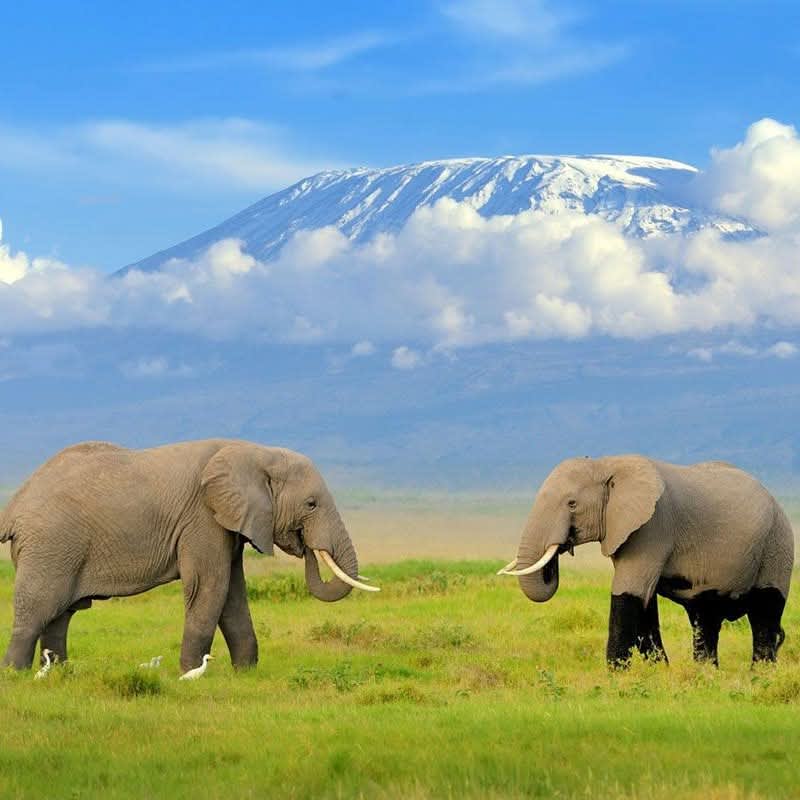
Amboseli National Park is renowned for its large elephant herds, making it one of the best destinations in Kenya for elephant viewing. Beyond elephants, you'll encounter a diverse array of wildlife including lions, zebras, wildebeest, giraffes, buffalo, cheetahs, and various antelope species. The park is also excellent for birdwatching, with over 400 bird species recorded. The open savannah landscape provides excellent visibility, making wildlife spotting easier compared to denser ecosystems. Early morning and afternoon game drives offer the best opportunities to observe animals when they're most active.
When is the best time to visit Amboseli for wildlife viewing?+
The dry seasons—June to October and January to February—are generally the best times to visit Amboseli for wildlife viewing. During these periods, water sources become scarce, concentrating wildlife around remaining waterholes and making animals easier to spot. The dry season also offers clearer skies, which increases the likelihood of seeing Mount Kilimanjaro's iconic snow-capped peak. However, Amboseli can be visited year-round, and the wet seasons (March to May and November to December) bring lush vegetation and excellent birdwatching opportunities. Consider avoiding the peak rainy season if road accessibility is a concern.
How many days do you need for an Amboseli safari?+
A 3-day safari is an excellent choice for Amboseli, providing enough time to experience the park's highlights without requiring an extended time commitment. This duration allows for multiple game drives—typically an early morning drive and afternoon drive on your full day in the park—which significantly increases your chances of encountering diverse wildlife. Three days also gives you a comfortable pace that includes arrival, exploration, and departure without feeling rushed. If you have more time, extending to 4-5 days allows for deeper exploration and more wildlife encounters, but 3 days is sufficient for a rewarding Amboseli experience.
What is Mount Kilimanjaro, and why is it significant for Amboseli safaris?+
Mount Kilimanjaro is Africa's tallest mountain, standing at 5,895 meters (19,341 feet), and is located just across the Tanzania-Kenya border from Amboseli National Park. Despite being in Tanzania, Kilimanjaro is one of the most iconic views from Amboseli and serves as a stunning backdrop for wildlife photography and safari experiences. On clear days, the mountain's snow-capped peak is visible from the park, creating breathtaking landscape vistas. The presence of Kilimanjaro makes Amboseli a unique safari destination, as you can experience world-class wildlife viewing with one of the world's most recognizable mountains as your setting. The mountain's visibility varies seasonally, with clearer views during the dry seasons.
Is a 3-day safari enough time from Nairobi to Amboseli?+
Yes, a 3-day safari is practical for visiting Amboseli from Nairobi. The drive from Nairobi to Amboseli takes approximately 4-5 hours, making it accessible for a short escape. On Day 1, you arrive and transfer to your lodge, settling in for an afternoon orientation. Day 2 provides a full day of wildlife exploration with early morning and afternoon game drives. Day 3 includes an early morning drive before returning to Nairobi. While the travel time on Days 1 and 3 reduces actual safari time, the concentrated wildlife viewing during your full day in the park, combined with the lodge's strategic location for game drives, ensures a rewarding experience. This duration is ideal for travelers with limited time who want a quality safari without an extended commitment.
What should you pack for an Amboseli safari?+
For an Amboseli safari, pack lightweight, neutral-colored clothing in earth tones (khaki, tan, brown, green) to blend into the landscape for better wildlife photography and to avoid disturbing animals. Bring layers, as early morning game drives can be cool, while afternoons are warm. Essential items include a wide-brimmed hat, high-SPF sunscreen, sunglasses, and a good camera with a zoom lens for wildlife photography. Pack comfortable, closed-toe hiking shoes or safari boots for game drives and walking. Binoculars are invaluable for bird and wildlife spotting. Toiletries, any personal medications, and a light rain jacket are also recommended. Most lodges provide bottled water during game drives, but consider bringing a refillable water bottle. Check with your lodge about specific recommendations based on the season of your visit.
Do you need travel insurance for a Kenya safari?+
While travel insurance is not mandatory for visiting Kenya, it is highly recommended for any safari trip. Comprehensive travel insurance should cover trip cancellations, medical emergencies, evacuation, and lost baggage. This is particularly important for safari destinations where medical facilities may be remote and emergency evacuation costs can be substantial. Many travel insurance policies also cover adventure activities and wildlife-related incidents. When selecting insurance, ensure it covers the specific activities you plan to do, such as game drives and any optional excursions. It's advisable to purchase travel insurance before booking your safari to maximize coverage options. Check the policy details carefully to understand what's included and any exclusions related to pre-existing conditions or specific destinations.
What vaccinations do you need before traveling to Amboseli?+
Vaccination requirements for Amboseli depend on your country of origin and medical history. Yellow fever vaccination is commonly recommended for travel to Kenya, and proof of vaccination may be required if you're arriving from certain countries. Malaria prophylaxis is strongly advised, as Amboseli is in a malaria-endemic region. Consult with a travel medicine clinic or your healthcare provider at least 4-6 weeks before your trip to receive personalized recommendations based on your health status and travel itinerary. Standard vaccinations (measles, tetanus, typhoid, hepatitis A and B) are also typically recommended. The specific vaccines and preventive medications you need will be determined by your doctor based on current health guidelines and your individual circumstances. Always verify current requirements with official health authorities before traveling.
How much does accommodation typically cost for an Amboseli safari?+
Amboseli offers accommodation options across various price ranges to suit different budgets. Mid-range lodges like Sentrim Amboseli Lodge provide comfortable, quality accommodation with good amenities at moderate prices, making them ideal for travelers seeking value without sacrificing comfort. Budget options are available for cost-conscious travelers, while luxury lodges offer premium experiences with higher-end services and facilities. Accommodation costs typically range from budget options starting around $80-150 per night to mid-range lodges at $150-300 per night, and luxury properties exceeding $300 per night. When booking a safari package, accommodation is often bundled with meals, game drives, and guides, which provides better overall value than booking separately. Prices vary seasonally, with peak season (July-October) generally commanding higher rates than shoulder or low seasons. Always compare package inclusions to understand what's covered in the quoted price.
What is included in an Amboseli safari package?+
A comprehensive Amboseli safari package typically includes park entrance fees, accommodation at your chosen lodge, all meals (breakfast, lunch, and dinner), professional game drives in a private 4x4 vehicle with an experienced guide, bottled water during drives, and airport transfers. Most packages also include government taxes and VAT, eliminating surprise costs. Many reputable operators include emergency evacuation services through flying doctors organizations for added peace of mind. What's typically not included are international airfare, travel insurance, visa fees, alcoholic beverages, tips and gratuities for guides and staff, personal expenses, and optional activities beyond the standard itinerary. Understanding what's included versus excluded helps you budget accurately and avoid unexpected expenses. Always review the package details carefully and clarify any ambiguities with the tour operator before booking.