Loading SafariFind...
Flight Addis Ababa to Semera then drive to Erta'Ale
Erta Ale
Meals: Lunch, Dinner
Drive to Hamad Ella then sunset at Dallol
Dallol
Meals: Breakfast, Lunch, Dinner
Drive to Dallol then Mekelle and fly to Addis Ababa
Addis Ababa
Meals: Breakfast, Lunch, Dinner
Year Round
Year-round
| Season | Solo traveler | 2 people | 3 – 4 people | 5 – 6 people | 7+ people | Child rate | Single suppl. |
|---|---|---|---|---|---|---|---|
Year Round Year-round | $660 | $440 | $420 | $410 | $390 | $310 | $130 |
Child rate applies to travelers under 12 years. Single supplement applies to solo travelers taking their own room.
The Danakil Depression is one of Earth's most extreme and geologically active landscapes, located in Ethiopia's remote Afar region. It's unique because it features active volcanic phenomena, geothermal hot springs, and mineral-rich terrain that creates an otherworldly, lunar-like environment. The region sits at one of the lowest elevations on the African continent and is home to Erta Ale, one of the few permanently active lava lakes in the world. This combination of geological features makes it unlike any other natural destination on Earth, offering visitors a rare glimpse into the planet's geothermal power and ongoing volcanic processes.
A Danakil Depression expedition is highly physically demanding and requires good fitness levels. You'll be hiking across volcanic terrain at altitude with minimal shade, exposure to extreme heat, and challenging environmental conditions. The combination of volcanic rock, steep ascents, and high temperatures means this adventure is not suitable for everyone. Travelers should be in good health, have heat acclimatization, and be prepared for physical exertion over multiple days. This tour is not recommended for those with serious health conditions, limited mobility, or those unaccustomed to strenuous outdoor activity. Proper preparation and realistic expectations about the physical demands are essential before booking.
The Danakil Depression is not primarily a wildlife destination like traditional safaris. Due to its extreme geothermal environment, volcanic activity, and harsh conditions, large wildlife is sparse. However, you may encounter hardy species adapted to this extreme landscape, including the Somali wild ass, desert-adapted birds, and various reptiles. The focus of a Danakil expedition is on geological wonders rather than animal sightings. If wildlife viewing is your primary interest, the Danakil is better suited as a complementary adventure to other Ethiopian destinations rather than a standalone wildlife safari.
The best time to visit the Danakil Depression is between October and February, when temperatures are relatively cooler and more manageable. During these months, daytime temperatures typically range from 35-45°C (95-113°F), which is still extremely hot but more bearable than other seasons. The Danakil is one of the hottest places on Earth year-round, with temperatures exceeding 50°C (122°F) during the hotter months of June through August. Visiting during the cooler season significantly improves comfort, reduces heat-related health risks, and makes the physical demands of hiking more manageable. Avoid the rainy season (June-September) when road conditions can be challenging.
Packing for the Danakil requires preparation for extreme heat, harsh terrain, and remote conditions. Essential items include lightweight, breathable, and loose-fitting clothing in neutral colors to reflect heat; a wide-brimmed hat and high-quality sunglasses for sun protection; sturdy hiking boots with good ankle support for volcanic terrain; high SPF sunscreen and lip balm; a headlamp or flashlight for early morning and evening hikes; a reusable water bottle (bottled water is provided during activities); basic medications including pain relievers and anti-diarrheal tablets; personal toiletries; and any required prescription medications. Bring minimal luggage as space is limited in vehicles. Avoid cotton clothing; opt for moisture-wicking fabrics instead. A camera with extra batteries is recommended, though be prepared for dust and extreme conditions. Check with your tour operator for a detailed packing list specific to the season you're traveling.
Yes, visiting the Danakil Depression requires both a licensed local guide and government permits. These requirements exist for several important reasons: your safety in an extremely remote and harsh environment, compliance with Ethiopian law, and support for the local Afar community whose traditional lands you'll be exploring. A professional, English-speaking guide is essential for navigation, cultural interpretation, and emergency response in this isolated region. Permits ensure proper documentation and help manage visitor impact on this fragile environment. All necessary permits and professional guide services are typically included in organized tour packages, so you don't need to arrange these separately. Never attempt to visit the Danakil independently without proper authorization.
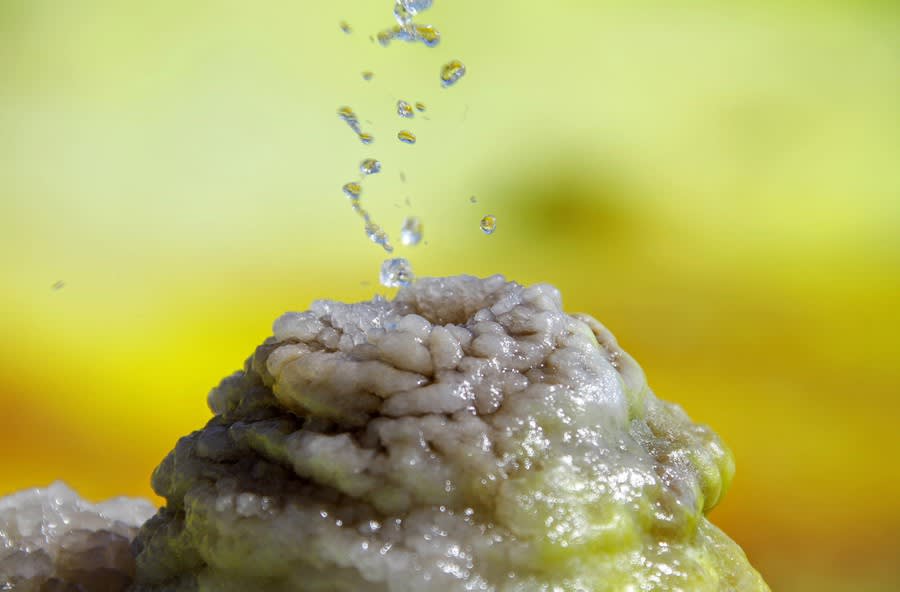
Erta Ale and Dallol are the two most spectacular geological features within the Danakil Depression. Erta Ale is an active shield volcano that contains one of the world's few permanently active lava lakes. Visiting Erta Ale typically involves a nighttime hike to witness the dramatic glow of molten lava, creating an unforgettable and almost otherworldly experience. Dallol, located at approximately 105 meters below sea level, is a geothermal field famous for its surreal landscape of multi-colored hot springs, sulfur vents, and intricate salt formations. The mineral-rich waters create stunning colors—yellows, oranges, greens, and whites—painting the ground in a palette that looks more like an alien planet than Earth. Together, these two sites showcase the Danakil's unique combination of volcanic and geothermal activity.
Accommodation on a Danakil Depression tour is basic but functional, reflecting the remote and extreme nature of the destination. You'll stay in simple camps located in the Afar region, typically featuring basic tents or basic structures with essential amenities. Facilities are minimal—this is genuine adventure travel, not luxury resort tourism. Accommodations are carefully selected for safety, security, and quality given the remote setting and challenging environment. Expect limited electricity, basic bathroom facilities, and simple bedding. Water for washing is usually available, though showers may be bucket-style or limited. The camps are positioned to provide access to Erta Ale and Dallol while prioritizing your safety. While comfort is limited, the unique experience of sleeping in one of Earth's most extreme landscapes is part of the adventure. Come with realistic expectations and an appreciation for authentic, back-to-basics travel.
A 3-day itinerary is the ideal duration for experiencing the Danakil Depression. This timeframe allows you to visit both major highlights—Erta Ale's active lava lake and Dallol's geothermal fields—without spending excessive time in the extreme conditions. Three days provides enough time for proper acclimatization, meaningful exploration of the landscape, and the iconic nighttime hike to witness Erta Ale's lava glow. It balances the desire to see these geological wonders with practical considerations regarding heat exposure, physical exertion, and remote logistics. While some operators offer longer expeditions, 3 days is well-paced for most travelers and allows sufficient recovery time. First-time visitors to extreme environments should avoid longer expeditions until they've assessed their tolerance for the conditions.
Several health precautions are important before visiting the Danakil Depression. Consult your doctor at least 4-6 weeks before travel to discuss vaccinations, which may include Yellow Fever, Typhoid, and routine immunizations depending on your travel history and health status. Malaria prophylaxis may be recommended for the Afar region; discuss this with a travel medicine specialist. Ensure you're in good physical health and have adequate cardiovascular fitness for high-altitude hiking in extreme heat. Stay hydrated before and during the expedition, and bring electrolyte replacement solutions. Pack a comprehensive first-aid kit and any personal medications. Acclimatize to heat gradually if possible. Consider travel insurance that covers medical evacuation, as the region is extremely remote. The extreme heat, altitude, and physical demands make this unsuitable for pregnant women, people with heart conditions, or those with heat intolerance. Inform your guide of any health concerns upon arrival.
 GishAbay Ethiopia ToursAddisAbaba, Ethiopia
© 2026 SafariFind. All rights reserved.