 1 / 91 / 9
Loading SafariFind...
1 / 9Nairobi – Amboseli National Park
Amboseli National Park
Meals: Lunch, Dinner
Amboseli National Park – Tsavo West National Park
Tsavo West National Park
Meals: Breakfast, Lunch, Dinner
Tsavo West National Park – Nairobi
Nairobi
Meals: Breakfast
Year Round
Year-round
| Season | Solo traveler | 2 people | 3 – 4 people | 5 – 6 people | 7+ people |
|---|---|---|---|---|---|
Year Round Year-round | $1,520 | $970 | $830 | $700 | $650 |
Amboseli National Park is renowned for its exceptional elephant populations, and you'll have excellent opportunities to observe these majestic creatures up close. The park is also home to lions, leopards, cheetahs, buffalo, zebras, wildebeest, giraffes, and numerous bird species. The relatively open landscape and sparse vegetation make wildlife viewing particularly rewarding, as animals are easily visible across the plains. The park's diverse ecosystem supports over 600 bird species, making it a paradise for birdwatchers as well.
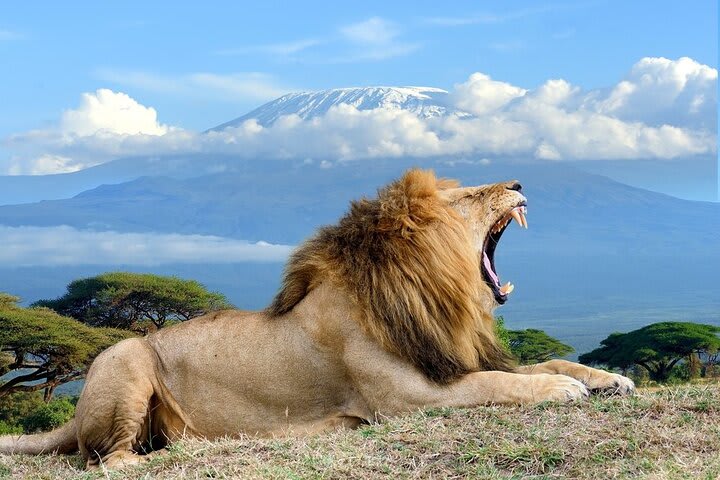
Yes, Mount Kilimanjaro provides a stunning backdrop to Amboseli National Park on clear days. The snow-capped peak of Africa's highest mountain creates one of the most iconic safari photography opportunities. However, visibility depends on weather conditions—the mountain is most clearly visible during the dry seasons (January to February and June to October). Early mornings typically offer the best views before clouds obscure the summit later in the day.
Tsavo West National Park is distinguished by its dramatic volcanic landscapes, including black lava rock formations, volcanic cones, and unique geological features that set it apart from other Kenyan parks. The park is home to diverse wildlife including elephants, lions, rhinos, buffalo, and numerous predators. One of its most famous attractions is Mzima Springs, a natural wonder where crystal-clear freshwater springs support hippos, crocodiles, and abundant birdlife. The park's varied terrain and lower tourist density compared to other parks make it an exceptional destination for authentic safari experiences.
Mzima Springs is a natural freshwater spring located in Tsavo West National Park that produces approximately 50 million gallons of water daily. The springs create a lush oasis in the otherwise arid landscape and support a unique ecosystem. Visitors can observe hippos, Nile crocodiles, and numerous fish species in the crystal-clear waters. An underwater viewing chamber allows you to experience the aquatic life from beneath the surface—a rare and unforgettable wildlife viewing opportunity. The surrounding vegetation also attracts various bird species and other wildlife, making it one of Kenya's most unique natural attractions.
The dry seasons offer the best wildlife viewing opportunities in both parks. The primary dry season runs from June to October, while the secondary dry season occurs from January to February. During these periods, water sources become scarce, concentrating wildlife around remaining water points, which increases sighting chances. The vegetation is also less dense, making animals easier to spot. The rainy seasons (November to December and March to May) bring lush green landscapes and are excellent for birdwatching, though wildlife can be more dispersed. Consider visiting during the dry season if maximizing wildlife encounters is your priority.
A 3-day safari typically includes multiple game drives distributed across the days, usually consisting of early morning drives and afternoon drives. Most itineraries feature at least 4-6 game drives over the three days, with early morning drives (starting before sunrise) being particularly productive as animals are most active during cooler hours. Your professional guide will time drives to optimize wildlife viewing opportunities and adjust routes based on recent animal sightings. Early morning and late afternoon drives offer the best lighting for photography and the highest probability of encountering predators.
Essential items include lightweight, neutral-colored clothing (khaki, tan, and green blend well with the landscape), a wide-brimmed hat, sunscreen with high SPF, sunglasses, and insect repellent. Bring binoculars for wildlife viewing and a good camera with extra batteries and memory cards. Pack a light jacket or sweater for early morning game drives, which can be cool. Comfortable walking shoes and sandals are important. Toiletries, any personal medications, and a small first-aid kit should be included. Consider bringing a headlamp or flashlight for evening use. Avoid bright colors and perfumes that might disturb wildlife. Check weather forecasts before departure and pack accordingly, as conditions can vary between parks and seasons.
Visa requirements for Kenya depend on your nationality. Many countries' citizens can obtain a visa on arrival or apply for an e-visa online before travel, though this varies by country. It's essential to check the current requirements with the Kenyan immigration authority or your nearest Kenyan embassy well in advance of your trip. Most visitors will need a valid passport with at least six months of validity remaining. Additionally, some countries may require proof of yellow fever vaccination for entry into Kenya. Start your visa application process early to avoid any delays in your safari plans.
A comprehensive safari package typically includes all national park entrance fees, accommodation at selected lodges or camps, professional guide services, transportation in a 4x4 vehicle with a pop-up roof for optimal wildlife viewing and photography, and bottled water during game drives. Most packages cover all meals and activities as outlined in the itinerary. However, packages typically exclude international airfare, visa fees, tips and gratuities for guides and staff, optional activities beyond the main itinerary, and personal expenses such as souvenirs or additional meals outside the lodge. Always review the specific inclusions and exclusions with your tour operator to understand exactly what's covered.
Amboseli National Park is located approximately 240 kilometers (150 miles) southeast of Nairobi, typically requiring a 4-5 hour drive by road. Tsavo West National Park is situated about 280 kilometers (175 miles) south of Nairobi, also accessible by a 4-5 hour drive. Many safari operators arrange road transfers from Nairobi to the parks, though some travelers prefer flying via domestic flights to save time and reduce travel fatigue. The road journey itself offers scenic views of the Kenyan landscape and wildlife spotting opportunities. Your safari operator can arrange the most convenient transportation option based on your preferences and schedule.
 Sanaya Tours and SafarisNairobi, Kenya5.0(4 reviews)
© 2026 SafariFind. All rights reserved.