 1 / 4
1 / 4 3 daysshared
3-Day Experience Budget Safar in Serengeti & Ngorongoro
Highlights
- Big five game drive
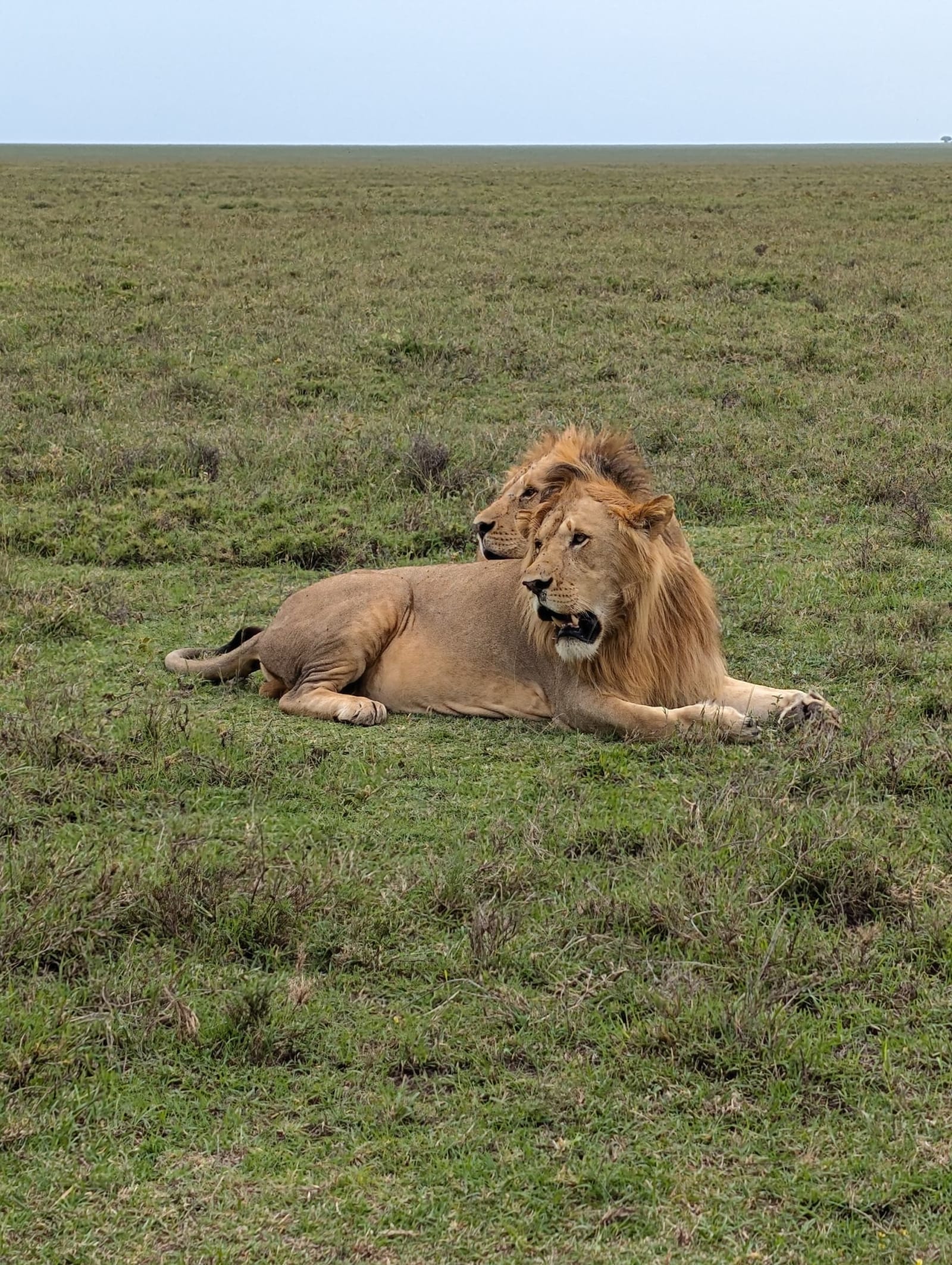
- lion
Loading SafariFind...
1 / 4Arusha To Central serengeti national park
Serengeti National Park
Meals: Dinner
Game drive Serengeti national park To ngorongoro highland
Ngorongoro Crater
Meals: Breakfast, Lunch, Dinner
Ngorongoro crater To Arusha
Arusha Airport
Meals: Breakfast, Lunch
Year Round
Year-round
| Season | Solo traveler | 2 people | 3 – 4 people | 5 – 6 people | 7+ people | Child rate | Single suppl. |
|---|---|---|---|---|---|---|---|
Year Round Year-round | $990 | $660 | $590 | $560 | $530 | $460 | $200 |
Child rate applies to travelers under 12 years. Single supplement applies to solo travelers taking their own room.
The Serengeti is home to an incredible variety of wildlife, including lions, leopards, cheetahs, elephants, buffalo, zebras, wildebeest, giraffes, and numerous antelope species. You'll also encounter a rich bird population and various predators. The specific animals you see depend on the season and location within the park, as wildlife migration patterns change throughout the year. A three-day safari provides excellent opportunities to witness these animals in their natural habitat across the Serengeti's vast plains.
The Ngorongoro Crater is one of Africa's most remarkable natural wonders—a massive volcanic caldera in northern Tanzania that descends about 2,000 feet and contains a self-contained ecosystem. Within the crater, you'll find concentrated populations of wildlife including lions, rhinos, buffalo, zebras, and flamingos, making it one of the best places to spot diverse animals in a compact area. The crater's unique geology, stunning views, and abundant wildlife make it an essential destination for any Tanzania safari experience.
Yes, three days is a solid introduction to Tanzania's most iconic safari destinations. A three-day itinerary typically covers the Serengeti National Park and the Ngorongoro Crater, allowing you to experience diverse landscapes and wildlife encounters. While longer safaris (5-7 days) provide more extensive game viewing opportunities, three days offers an excellent balance of wildlife viewing, scenic beauty, and practical travel considerations. You'll have sufficient time to see major wildlife species and experience the magic of Tanzania's natural wonders without an excessive time commitment.
The Serengeti offers excellent wildlife viewing year-round, but the best times depend on what you want to experience. The dry seasons (June to October and January to February) provide the best overall game viewing, as animals congregate around water sources and vegetation is sparse, making wildlife easier to spot. June to October is particularly popular for witnessing the Great Migration. The wet season (November to May) brings lush landscapes, fewer tourists, and excellent bird watching. Consider your preferences regarding weather, wildlife activity, and crowd levels when planning your visit.
Pack neutral-colored, breathable clothing in layers, as temperatures vary significantly between day and night. Essential items include a wide-brimmed hat, sunscreen, sunglasses, and comfortable walking shoes. Bring binoculars for wildlife viewing and a camera with extra batteries and memory cards. Include medications, toiletries, and any personal items you may need. A light jacket or sweater is crucial for early morning and evening game drives. Check weather forecasts for your travel dates, as this will help you pack appropriately for either dry or rainy season conditions.
Safari costs in Tanzania vary widely depending on accommodation level, season, and specific inclusions. Budget safaris offer excellent value, while mid-range and luxury options provide enhanced comfort and services. A three-day safari package typically includes park fees, accommodation, meals, professional guides, and vehicle transportation, which represents significant value. Additional expenses to budget separately include international flights, travel insurance, visa fees, tips for guides, and optional activities. Prices are generally lower during the wet season and higher during peak travel periods. It's advisable to compare packages and read reviews to find the best value for your budget and preferences.
Most international visitors require a visa to enter Tanzania, though visa requirements vary by nationality. Many countries can obtain a visa on arrival at Tanzanian airports, while others can apply online in advance through the e-visa system. It's essential to check the specific visa requirements for your country of citizenship well before your trip. Visit the official Tanzanian immigration website or contact your nearest Tanzanian embassy or consulate for current requirements. Allow sufficient time for visa processing if applying in advance, and ensure your passport is valid for at least six months beyond your travel dates.
Tanzania is located in a malaria-endemic region, so antimalarial medication is strongly recommended. Yellow fever vaccination is also commonly advised, and some countries may require proof of yellow fever vaccination for entry. Additionally, routine vaccinations such as measles, mumps, rubella, and tetanus should be up to date. Consult with a travel health clinic or your doctor at least 4-6 weeks before your trip to receive personalized recommendations based on your health history and the specific areas you'll visit. They can advise on appropriate vaccinations and medications for malaria prevention.
A comprehensive safari package typically includes national park entrance fees, accommodation at selected lodges or camps, all meals (breakfast, lunch, and dinner), transportation in a private 4x4 safari vehicle, and the services of a professional English-speaking guide. Many packages also provide bottled water during game drives and airport transfers. However, items usually excluded from package costs include international airfare, travel insurance, visa fees, alcoholic beverages, tips and gratuities, personal expenses, and optional activities. Review your specific package details carefully to understand what's covered and budget accordingly for additional expenses.
Game drives are conducted in specially equipped 4x4 vehicles with open or pop-up roofs, allowing for excellent wildlife viewing and photography opportunities. Drives typically occur during early morning and late afternoon hours when wildlife is most active. A professional, English-speaking guide leads each drive, using their expertise to locate animals, identify species, and provide fascinating insights about wildlife behavior and the ecosystem. Drives usually last 3-4 hours and cover varying distances depending on wildlife sightings and park conditions. The open-roof design provides unobstructed views and allows you to experience the African landscape immersively while maintaining safety and comfort.
© 2026 SafariFind. All rights reserved.