 1 / 2
1 / 2 3 daysprivate
3-Day Explore Masai Mara safari
Highlights
- Big five safari
- Unlimited game drive
Loading SafariFind...
1 / 2Arrival and First Game Drive in Masai Mara
Maasai Mara
Meals: Lunch, Dinner
Full Day Safari and Mara River Experience
Maasai Mara
Meals: Breakfast, Lunch, Dinner
Final Morning Game Drive and Departure
Drop Off
Meals: Breakfast
Year Round
Year-round
| Season | Solo traveler | 2 people | 3 – 4 people | 5 – 6 people | 7+ people | Child rate | Single suppl. |
|---|---|---|---|---|---|---|---|
Year Round Year-round | $1,440 | $960 | $870 | $820 | $770 | $670 | $290 |
Child rate applies to travelers under 12 years. Single supplement applies to solo travelers taking their own room.
The Masai Mara is home to an incredible variety of wildlife. You'll commonly encounter large herds of zebras, wildebeest, gazelles, and other grazers moving across the savannah. Big cats are a major highlight—lions and cheetahs are regularly spotted, while leopards also inhabit the reserve but require patience and a bit of luck to find. You'll also see elephants, buffalo, giraffes, hyenas, and numerous bird species. The reserve's diverse ecosystem supports over 95 large mammal species, making it one of Africa's premier wildlife viewing destinations.
Yes, 3 days is a solid introduction to the Masai Mara and allows you to experience excellent wildlife viewing. With a full day of safari activities plus morning and evening game drives, you'll have multiple opportunities to spot the reserve's iconic wildlife. Three days provides enough time to explore different areas of the park and increase your chances of memorable encounters with lions, cheetahs, and other animals. However, some travelers prefer 4-5 days for a more relaxed pace and additional exploration opportunities.
The Masai Mara is excellent year-round, but the best time depends on what you want to experience. The dry season (July to October) offers the most reliable wildlife viewing and coincides with the Great Migration, when massive herds of wildebeest and zebras move through the reserve. The short dry season (January to February) also provides good game viewing with fewer crowds. The rainy seasons (March to May and November to December) bring lush landscapes and lower visitor numbers, though some roads may be challenging. Most visitors prefer July to October for the combination of excellent wildlife viewing and the spectacular migration event.
Pack neutral-colored, lightweight clothing in khaki, beige, and muted tones to blend with the landscape—avoid bright colors that can startle wildlife. Bring a wide-brimmed hat, sunscreen (SPF 50+), and sunglasses for sun protection. Comfortable closed-toe hiking boots are essential for game drives and any walking activities. Include a lightweight jacket for early morning and evening game drives when it's cooler. Binoculars and a camera with a good zoom lens will enhance your wildlife viewing experience. Don't forget personal medications, insect repellent, and toiletries. A small daypack is useful for carrying water and essentials during drives. Check current health advisories and consider bringing any recommended vaccinations documentation.
Visa requirements depend on your nationality. Many countries' citizens can obtain an e-visa or visa on arrival in Kenya, while others may need to apply in advance. Most visitors require a valid passport with at least 6 months validity beyond their travel dates. We recommend checking the official Kenyan government immigration website or contacting your nearest Kenyan embassy for current visa requirements specific to your country. Processing times and fees vary, so plan accordingly when booking your safari. Travel insurance that covers trip delays is also advisable.
Yellow fever vaccination is recommended for travelers to Kenya, and some countries may require proof of vaccination for entry. Malaria prophylaxis is typically recommended for the Masai Mara region, as it's in a malaria-endemic area. Routine vaccinations (MMR, tetanus, polio) should be current. Typhoid and hepatitis A vaccinations are also commonly recommended. However, vaccination requirements and recommendations vary based on your health history, age, and other factors. Consult with a travel medicine clinic or your healthcare provider at least 4-6 weeks before your trip to receive personalized medical advice and ensure you have adequate time to complete any required vaccination courses.
Most safari packages include three meals daily—breakfast, lunch, and dinner—prepared to accommodate various dietary preferences. Breakfast is typically served before morning game drives, lunch during the midday break, and dinner in the evening. Bottled water is provided throughout your game drives to keep you hydrated in the African heat. However, alcoholic beverages are usually not included and must be purchased separately. It's wise to inform your safari operator of any dietary restrictions or preferences in advance so they can prepare accordingly. The quality of meals varies by accommodation level, but safari lodges generally offer a good variety of local and international cuisine.
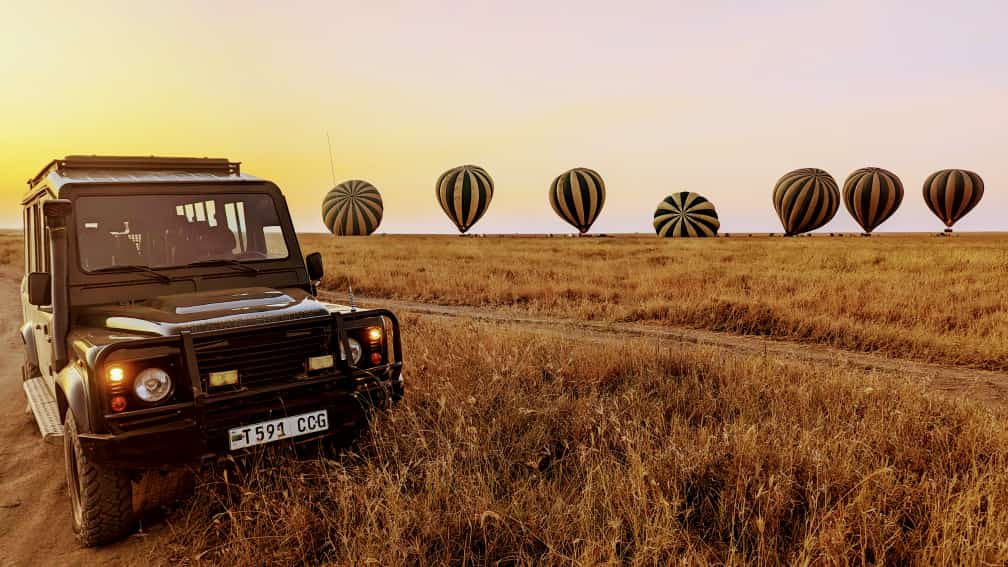
Game drives are conducted in private 4x4 safari vehicles, typically with a professional, English-speaking guide who possesses extensive knowledge of the reserve's wildlife and ecosystems. Vehicles are specially designed with open or pop-up roofs to provide unobstructed views and excellent photography opportunities. Most safari itineraries include early morning game drives (starting before sunrise) and afternoon/evening drives when animals are most active. Drives typically last 4-6 hours with breaks for refreshments. Your guide uses radio communication with other guides to share wildlife sightings and navigate to the best viewing locations. The private vehicle format allows for a personalized experience tailored to your interests.
The Mara River is one of the Masai Mara's most dramatic features and a focal point during the Great Migration season. During July to October, massive herds of wildebeest and zebras attempt to cross the river, creating one of nature's most spectacular events. Witnessing these river crossings—complete with crocodiles and predators—is an unforgettable experience. Even outside migration season, the river supports diverse wildlife including hippos, crocodiles, and various bird species. A safari experience typically includes time spent exploring river areas and potentially witnessing crossings or wildlife interactions. The timing and intensity of river activity depend on the season and migration patterns.
Safari package prices vary significantly based on accommodation level, season, and included services. A 3-day Masai Mara safari typically ranges from budget-friendly options to luxury experiences. Most packages include park entrance fees, accommodation, meals, game drives, and a professional guide, which represents good value. Peak season (July-October) is generally more expensive than shoulder or low seasons. International airfare, travel insurance, visas, and personal expenses are typically not included and should be budgeted separately. Alcoholic beverages, tips, and gratuities are also additional costs. For accurate pricing, contact safari operators directly as rates fluctuate based on demand, exchange rates, and specific package inclusions.
Bring a camera with a good zoom lens (at least 200-400mm is recommended) to capture distant wildlife without disturbing animals. Use fast shutter speeds to freeze action during predator hunts or animal movements. Shoot during golden hour (early morning and late afternoon) when lighting is soft and warm, creating stunning wildlife photographs. Beanbags or vehicle mounts help stabilize your camera during bumpy drives. Arrive early for game drives to position yourself for sunrise shots. Be patient and let your guide locate animals—rushing often results in missed opportunities. Respect wildlife by maintaining safe distances and following your guide's instructions. Consider bringing extra memory cards and batteries, as you'll capture hundreds of images. Remember to balance photography with simply observing and enjoying the experience.
 Inno Africa SafarisARUSHA, Tanzania
© 2026 SafariFind. All rights reserved.