 1 / 4
1 / 4 3 daysprivate
3-Day Fly in Fly out from Zanzibar to Serengeti & Crater
Highlights
- Big five game drive
- lion
Loading SafariFind...
1 / 4Zanzibar to Serengeti National Park
Serengeti National Park
Meals: Lunch, Dinner
Serengeti National Park to Ngorongoro Highlands
Ngorongoro Crater
Meals: Breakfast, Lunch, Dinner
Ngorongoro Crater to Zanzibar
Arusha Airport
Meals: Breakfast, Lunch
Year Round
Year-round
| Season | Solo traveler | 2 people | 3 – 4 people | 5 – 6 people | 7+ people | Child rate | Single suppl. |
|---|---|---|---|---|---|---|---|
Year Round Year-round | $3,540 | $2,360 | $2,120 | $2,010 | $1,890 | $1,650 | $710 |
Child rate applies to travelers under 12 years. Single supplement applies to solo travelers taking their own room.
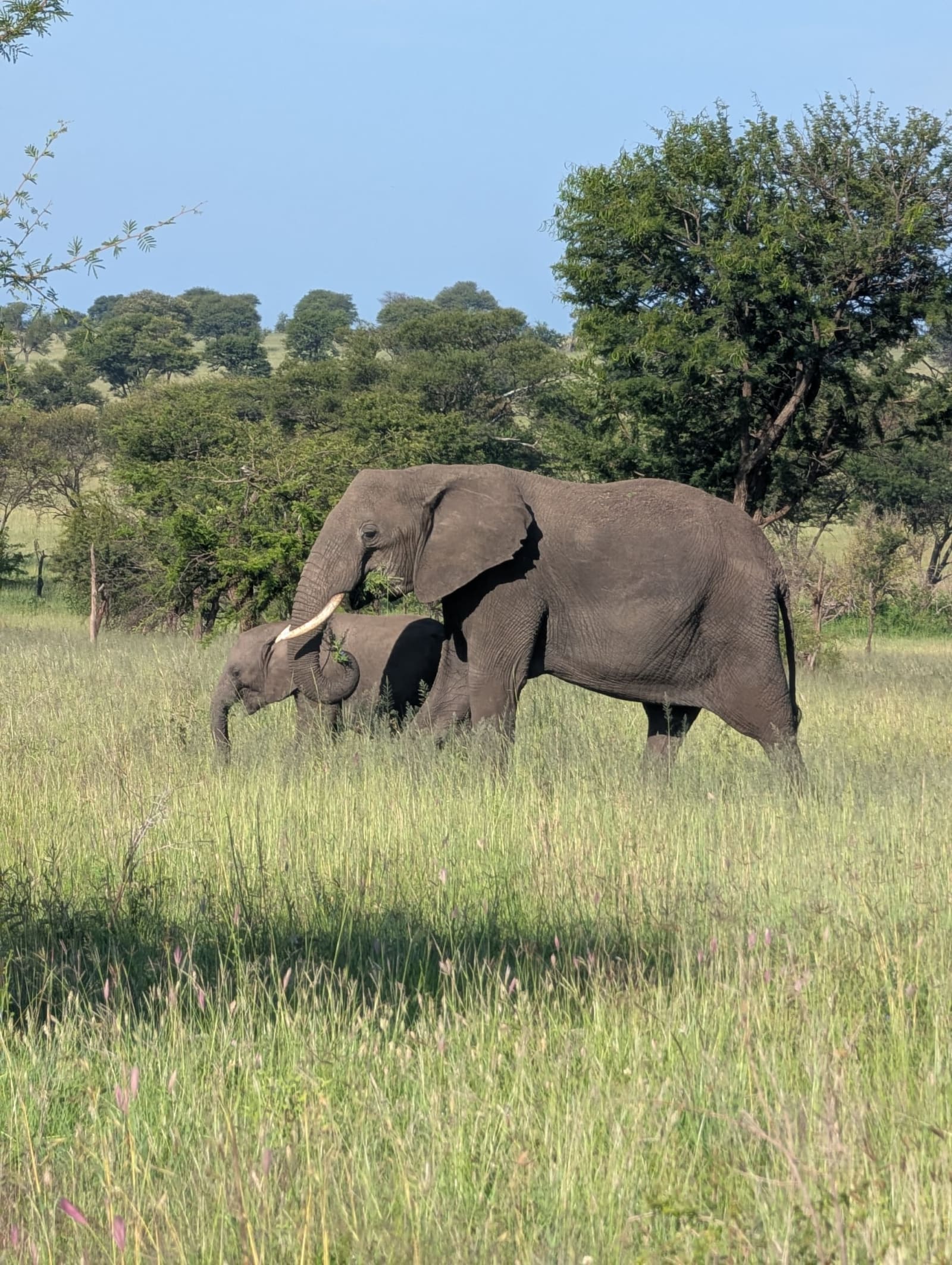
The Serengeti is home to an incredible diversity of wildlife, including the Big Five (lions, leopards, elephants, buffalo, and rhinoceros), as well as zebras, wildebeest, giraffes, hyenas, cheetahs, and numerous bird species. The park's ecosystem supports over 1.5 million large animals, making it one of Africa's most wildlife-rich destinations. Your chances of encountering these animals depend on the season and specific areas you visit within the park's 14,750 square kilometers.
The best time to visit is during the dry seasons: June to October (long dry season) and January to February (short dry season). During these periods, wildlife congregates around water sources, making sightings more frequent and easier. The dry season also offers better road conditions and clearer skies for photography. However, the Serengeti is rewarding year-round, with each season offering unique wildlife viewing opportunities and different migration patterns.
The Ngorongoro Crater is a UNESCO World Heritage Site and one of Africa's most spectacular natural wonders. It's the world's largest intact volcanic caldera, featuring a self-contained ecosystem with diverse wildlife including lions, elephants, buffalo, zebras, and flamingos. The crater's unique geography creates a natural amphitheater where animals concentrate, offering exceptional game viewing opportunities. It's also culturally significant as home to the Maasai people who have inhabited the area for centuries.
A 3-day safari is an excellent introduction to both destinations, allowing you to experience the highlights of Serengeti National Park and explore the Ngorongoro Crater. This duration provides sufficient time for multiple game drives, wildlife observation, and cultural experiences without being rushed. Many travelers find 3 days offers a good balance between experiencing the magic of these parks and fitting into a shorter vacation schedule, though longer safaris of 4-7 days allow for more extensive exploration.
Pack neutral-colored clothing (khaki, tan, green, brown) to blend with the environment and avoid disturbing wildlife. Bring lightweight, breathable fabrics for hot days and a warm jacket for early morning and evening game drives when temperatures drop. Essential items include a wide-brimmed hat, sunscreen, sunglasses, binoculars, a camera with extra batteries, and comfortable walking shoes. Don't forget personal medications, insect repellent, and a light rain jacket during the rainy seasons. Bring layers as temperatures vary significantly between day and night.
While specific vaccination requirements depend on your home country and medical history, the Tanzania Ministry of Health recommends vaccinations for Yellow Fever, Typhoid, Hepatitis A and B, and Polio. Malaria prophylaxis is strongly recommended for most safari regions, including Serengeti and Ngorongoro. Consult with a travel medicine clinic 4-6 weeks before your trip to discuss your individual health needs and receive personalized recommendations. Travel insurance that covers medical emergencies is also highly advisable.
A 3-day safari offers good opportunities to encounter the Big Five, though sightings are never guaranteed as wildlife is wild and unpredictable. The Serengeti and Ngorongoro Crater are excellent locations for Big Five viewing, with high concentrations of lions, elephants, and buffalo. Leopards and rhinoceros are more elusive and require patience and luck. Your experienced guide will use their knowledge to maximize sighting opportunities, and the combination of two different ecosystems (Serengeti and Crater) increases your chances of diverse wildlife encounters.
Fly-in safaris involve flying from Zanzibar to an airstrip near Serengeti National Park, typically taking 1-2 hours. This eliminates long road transfers and maximizes your time on safari. You'll be picked up at the airstrip and transferred to your accommodation, then begin game drives. At the end of your safari, you'll fly back to Zanzibar, allowing you to enjoy beach relaxation before or after your wildlife adventure. This option is ideal for combining a beach vacation with an authentic safari experience in a short timeframe.
Most safari packages include three meals daily: breakfast before early morning game drives, a packed lunch or lodge lunch during midday breaks, and a three-course dinner at your accommodation. Bottled water is provided throughout the day during game drives to keep you hydrated in the African heat. Many packages also include alcoholic beverages such as beer, wine, and spirits with meals. Coffee and tea are available in the mornings, and snacks are often provided during breaks. Dietary requirements can usually be accommodated with advance notice.
Safari costs vary significantly based on accommodation level, season, and operator. Budget safaris start around $1,500-$2,500 for 3 days, mid-range options range from $2,500-$5,000, and luxury safaris can exceed $5,000+ per person. Typical inclusions are park fees, accommodation, meals, game drives, and a professional guide. Additional costs to budget separately include international flights to Tanzania, travel insurance, visa fees, vaccinations, and gratuities for guides and staff. Booking during shoulder seasons (April-May or November) often offers better rates than peak season.
© 2026 SafariFind. All rights reserved.