Loading SafariFind...
Fly from Arusha to Kogatende Airstrip (Northen Serengeti)
Meals: Lunch, Dinner
Northern Hills to the Central Seronera Valley
Meals: Breakfast, Lunch, Dinner
Day 3: Sunrise in Seronera & Flight to Arusha
Meals: Breakfast, Lunch
The timing of river crossings in the Serengeti depends on seasonal migration patterns, which shift throughout the year as wildebeest and zebra herds follow rainfall and fresh grazing. The dry season typically offers the most predictable and dramatic crossing opportunities, particularly when large herds concentrate around river corridors like the Grumeti River in their desperate race to reach new feeding grounds. Your safari operator will advise on the optimal windows based on current migration positions and seasonal conditions. It's essential to book well in advance during peak crossing seasons to secure your spot, as demand is high for these extraordinary natural events.
On a typical Serengeti safari, you can expect 4–6 hours of game driving daily, usually split into morning and afternoon sessions. Morning drives typically begin before sunrise to catch wildlife at their most active, while afternoon game drives extend into the golden hour. Between sessions, you'll return to your accommodation for breakfast or lunch, rest, and refreshment. This structured rhythm allows you to maximize wildlife viewing opportunities while maintaining comfort and avoiding driver fatigue. The flexibility of private vehicle safaris means your guide can adjust timing based on animal activity and your preferences.
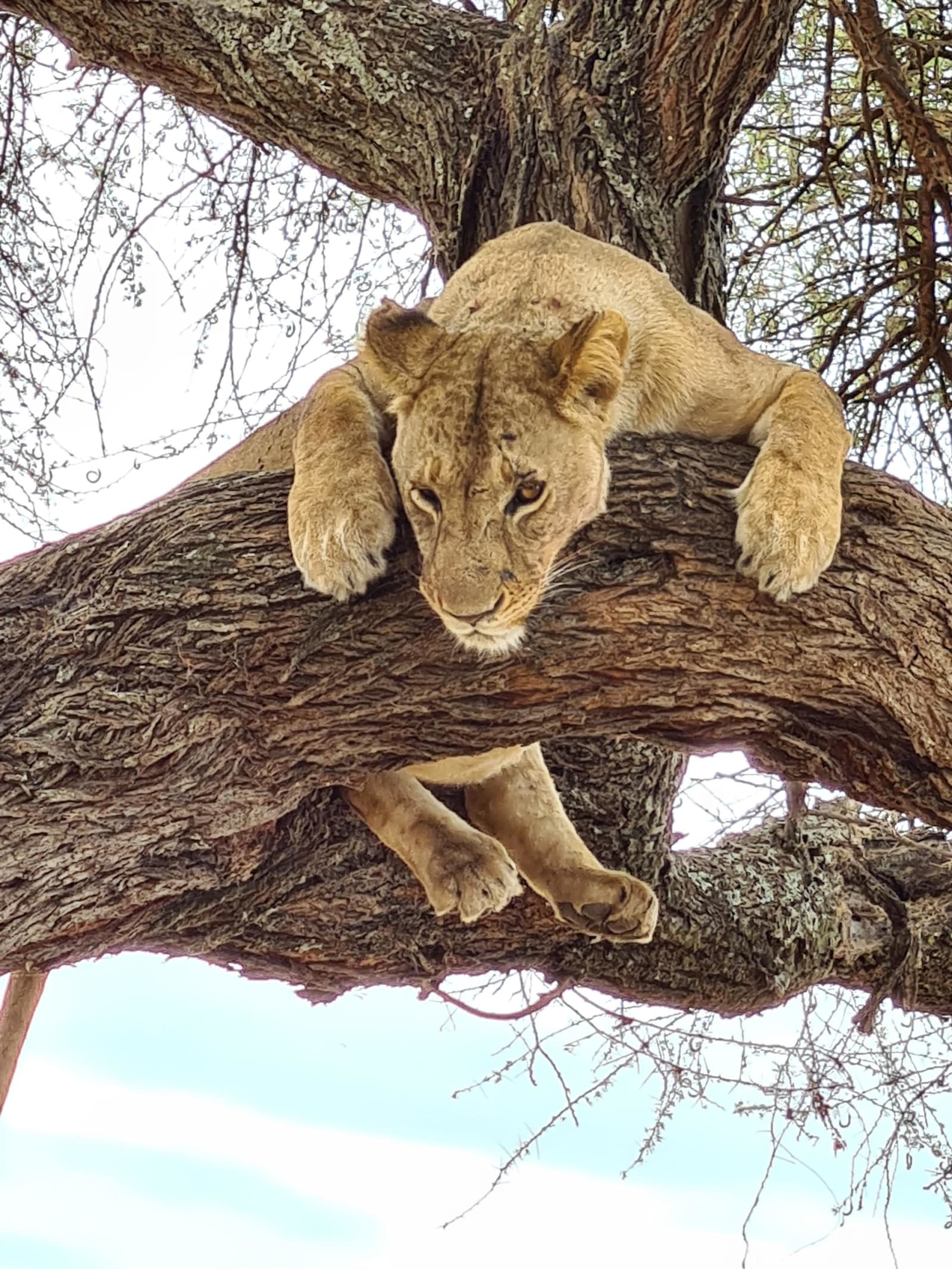
The Serengeti ecosystem is home to Africa's most iconic wildlife. Beyond the migration herds of wildebeest and zebra, you'll encounter lions, leopards, elephants, giraffes, buffalo, hyenas, and numerous antelope species including gazelles and impalas. The region is also a birdwatcher's paradise with over 500 bird species. Predator activity often intensifies around migration corridors as lions, crocodiles, and other carnivores position themselves to take advantage of crossing herds. Each season brings different concentrations of wildlife to different regions of the Serengeti, so the specific animals you encounter will depend on timing and which valleys and plains your guide explores.
A 3-day safari is an excellent concentrated experience for witnessing the Great Migration, especially when combined with fly-in access that eliminates time spent on road transfers. By flying directly into the heart of the Serengeti, you maximize time in prime wildlife zones where migration herds congregate and river crossings occur. Three days provides sufficient time for multiple game drives and genuine opportunities to witness predator-prey interactions and crossing events. However, migration timing is unpredictable—there's no guarantee you'll see a crossing on any given visit. Your best chance comes from booking during peak crossing seasons and working with experienced operators who understand current herd movements. Many travelers find 3 days perfect for an intense, focused safari experience, while others prefer longer trips for more flexibility and backup opportunities.
Absolutely. A Serengeti safari is an ideal introduction to African safari experiences, particularly a focused 3-day program. The concentrated format means you spend maximum time viewing wildlife without lengthy road transfers, and the sheer abundance and diversity of animals in the Serengeti provide excellent sighting opportunities even for first-timers. Professional English-speaking guides are experienced at interpreting animal behavior and explaining ecosystem dynamics, enriching your understanding of what you're witnessing. The added thrill of potentially seeing the Great Migration makes the experience unforgettable. Mid-range luxury accommodations provide comfort without overwhelming complexity, and all logistics—transfers, meals, park fees—are handled seamlessly. First-time safari travelers often find that a well-organized Serengeti trip exceeds expectations and sparks a lifelong passion for African wildlife.
Pack neutral-colored, lightweight clothing suitable for warm days and cool mornings—earth tones like khaki, tan, and olive green help you blend into the landscape and avoid startling wildlife. Bring long-sleeved shirts and pants to protect against sun and insects, a warm fleece or jacket for early morning game drives, and a wide-brimmed hat and sunglasses. Sturdy, closed-toe hiking boots are essential for walking safely on uneven terrain. Include high-SPF sunscreen, insect repellent, and any personal medications. Binoculars significantly enhance wildlife viewing, and a camera with a good zoom lens is invaluable. Pack minimally for the flight into the Serengeti—luggage allowances on small aircraft are restricted. Toiletries, medications, and valuables should be in carry-on luggage. Your accommodation will provide most comfort items, so focus on practical safari essentials rather than unnecessary items.
Flying directly into the Serengeti offers significant advantages over overland travel. A fly-in safari eliminates 6–10 hours of road transfer time, allowing you to arrive in prime wildlife viewing areas immediately and spend your limited safari days focused entirely on game drives and wildlife encounters. This is particularly valuable on a 3-day trip where every hour counts. Fly-in access also positions you in the heart of migration corridors and wildlife concentrations, increasing your chances of witnessing dramatic events like river crossings. The trade-off is cost—fly-in safaris are more expensive than road-based alternatives. However, for serious wildlife enthusiasts and those with limited time, the concentrated experience and premium positioning justify the investment. Small aircraft flights also offer spectacular aerial views of the Serengeti's vast landscapes and animal concentrations, adding another dimension to your safari experience.
A typical Serengeti safari package includes park entrance fees, accommodation, all meals (breakfast, lunch, and dinner), a private 4x4 safari vehicle, a professional English-speaking guide, bottled water during game drives, airport transfers, and government taxes and VAT. This comprehensive coverage means most safari logistics are handled seamlessly. However, packages typically exclude international airfare, visa fees, travel insurance, tips and gratuities for guides and staff, optional activities beyond the standard itinerary, travel vaccinations, and personal expenses. It's important to clarify exactly what's included when booking and budget separately for items like visas, travel insurance (highly recommended), vaccinations, and gratuities for your guide and support staff, which are customary in African safari culture. Ask your operator about any optional activities you might want to add, such as walking safaris or special experiences.
Visa requirements for Tanzania depend on your nationality. Many countries' citizens can obtain a visa on arrival at Tanzanian airports, while others must apply in advance through a Tanzanian embassy or online. It's essential to check current visa requirements for your specific country well before your trip, as regulations can change. Most travelers will need a valid passport with at least 6 months of validity remaining. Your safari operator can often provide guidance on visa processes and may have established relationships with visa services if you need assistance. Additionally, Tanzania requires proof of yellow fever vaccination for entry if you're arriving from certain countries. Check with your country's health authority and the Tanzanian embassy for current health requirements and recommendations, and consult your doctor about vaccinations appropriate for the region you're visiting.
A Serengeti safari is generally low to moderate in physical demand. Most of your time is spent seated in a comfortable 4x4 vehicle during game drives, requiring minimal physical exertion. However, expect early morning starts (often before sunrise) and full days in the vehicle, which can be tiring. The terrain is mostly flat savanna, though some areas have gentle hills. If your accommodation includes optional walking safaris or short nature walks, these involve moderate walking on uneven terrain—always optional and guided by professionals. The main physical challenge is adapting to the African heat, dust, and the intensity of early starts. Travelers of varying fitness levels can enjoy a Serengeti safari comfortably, though those with mobility issues should discuss accessibility with their operator in advance. Stay hydrated, use sunscreen, and pace yourself. If you have specific health concerns or physical limitations, inform your operator before booking so they can arrange appropriate accommodations.
 ALOITO SAFARISArusha, Tanzania
© 2026 SafariFind. All rights reserved.