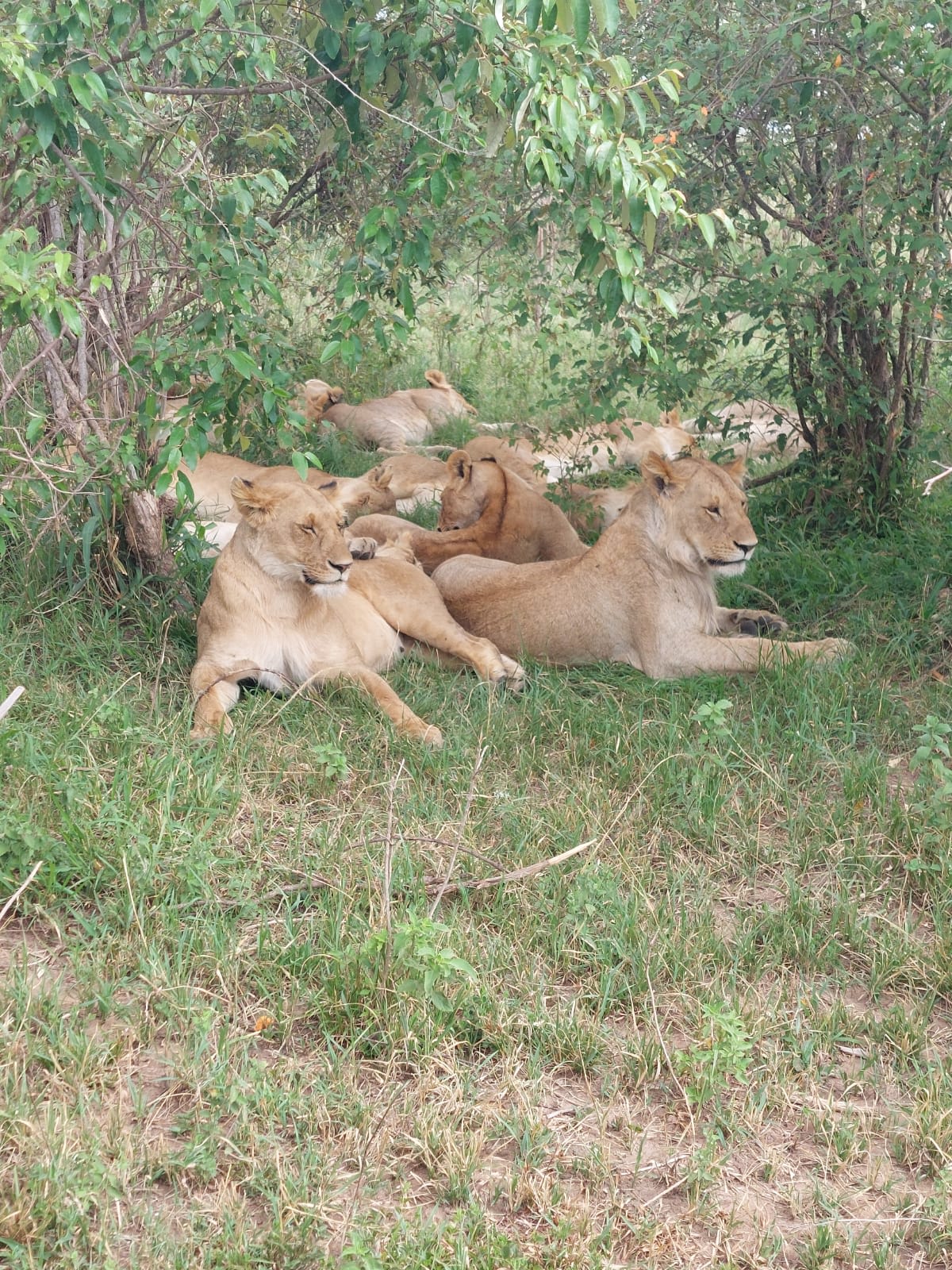
 1 / 4
1 / 4 3 daysshared
3-Day Group Quest Mara Signature Wildlife Encounters
byHideaway safaris & expeditions
Highlights
- Big Five game drives in Maasai Mara National Reserve
Loading SafariFind...
1 / 4byHideaway safaris & expeditions
Arrival - Nairobi - Masai Mara National Reserve
Masai Mara National Reserve
Meals: Dinner
Masai Mara Full Day Experience
Masai Mara National Reserve
Meals: Breakfast, Lunch, Dinner
Masai Mara NR - Nairobi
Nairobi
Meals: Breakfast
Year Round
Year-round
| Season | Solo traveler | 2 people | 3 – 4 people | 5 – 6 people | 7+ people | Child rate | Single suppl. |
|---|---|---|---|---|---|---|---|
Year Round Year-round | $1,500 | $1,000 | $900 | $850 | $800 | $700 | $300 |
Child rate applies to travelers under 12 years. Single supplement applies to solo travelers taking their own room.
The Masai Mara is renowned for offering excellent opportunities to spot the Big Five—lions, leopards, elephants, buffalo, and rhinoceros. Beyond these iconic species, you'll encounter a diverse array of wildlife including zebras, giraffes, wildebeest, gazelles, hyenas, cheetahs, and numerous bird species. The reserve's varied ecosystems support over 450 bird species and countless other mammals. Your chances of wildlife encounters are particularly high during game drives, especially in early morning and late afternoon when animals are most active. The density and variety of wildlife in the Masai Mara make it one of Africa's premier safari destinations.
Yes, 3 days is a practical timeframe for a meaningful safari experience, particularly for first-time visitors or those with limited time. A 3-day itinerary typically includes one full day of game drives in the reserve, allowing you to experience diverse landscapes and encounter significant wildlife. While longer safaris (5-7 days) offer more extensive exploration and increased wildlife sighting opportunities, a well-organized 3-day safari provides excellent value and genuine adventure. You'll benefit from multiple game drives, accommodation in the reserve, and immersive experiences without requiring an extended time commitment. This duration is ideal for travelers combining a safari with other Kenya destinations like Nairobi or coastal areas.
The Masai Mara is excellent year-round, but the best times depend on what you want to experience. The dry seasons—June to October and January to February—offer optimal wildlife viewing because animals congregate around water sources, making them easier to spot. July to October is particularly spectacular as the Great Migration moves through the reserve, featuring dramatic river crossings and massive herds of wildebeest and zebras. The green season (November to May) brings lush landscapes, fewer tourists, and excellent birdwatching, though wildlife is more dispersed. December to February offers good weather and moderate crowds. Consider your wildlife priorities and crowd preferences when planning your visit, as each season offers unique advantages for your safari experience.
Pack neutral-colored, lightweight clothing in khaki, tan, and olive tones to blend with the savannah environment—avoid bright colors and white. Bring long-sleeved shirts and pants for sun protection and insect defense, plus a warm layer for early morning game drives when temperatures drop. Essential items include a wide-brimmed hat, quality sunscreen (SPF 50+), sunglasses, and comfortable walking shoes. Pack binoculars for wildlife spotting and a camera with a good zoom lens. Toiletries, medications, and any prescription drugs should be brought from home. Consider bringing a lightweight rain jacket even in dry seasons, as weather can be unpredictable. Don't forget a reusable water bottle, though bottled water is typically provided during game drives. Check with your operator about specific recommendations based on the season of your visit.
Yellow fever vaccination is recommended for travel to Kenya and may be required depending on your country of origin and recent travel history. Malaria prophylaxis is strongly advised, particularly for the Masai Mara region, as it's a malaria-endemic area. Consult with a travel health clinic or your doctor at least 4-6 weeks before your trip to discuss vaccinations and preventative medications tailored to your medical history and itinerary. Common recommendations include typhoid, hepatitis A and B, and tetanus boosters. Your healthcare provider can assess your individual risk factors and provide personalized medical advice. Additionally, ensure your routine vaccinations (MMR, polio) are current. Travel insurance that covers medical emergencies is also highly recommended for safari travel.
A comprehensive safari package typically includes park entrance fees, accommodation within or near the reserve, all meals (breakfast, lunch, and dinner), transportation via private 4x4 safari vehicle, services of a professional English-speaking guide, bottled water during game drives, and airport transfers from Nairobi. These inclusions ensure you have a hassle-free experience with meals provided, comfortable lodging, and expert guidance throughout your safari. However, packages vary by operator, so review what's covered before booking. Commonly excluded items are alcoholic beverages, tips and gratuities, personal expenses, optional activities, travel insurance, international flights, and visa fees. Clarify inclusions and exclusions with your safari operator to budget accurately and avoid surprises.
Masai Mara safari costs vary widely based on accommodation quality, group size, season, and operator. Budget safaris with basic lodging typically range from $800-$1,500 per person for 3 days, while mid-range options with comfortable accommodations cost $1,500-$3,000. Luxury safaris with premium lodges can exceed $3,000-$5,000+ per person. Group safaris are generally more cost-effective than private safaris because expenses are shared among participants. Traveling during shoulder seasons (March-May, November) often offers better rates than peak periods (July-October). Package inclusions significantly impact pricing—ensure park fees, meals, and transfers are covered. Book directly with reputable operators or through established travel agencies to find competitive rates. Remember that lower prices should not compromise on safety, guide quality, or wildlife experience.
The drive from Nairobi to the Masai Mara National Reserve typically takes 4.5 to 5.5 hours, covering approximately 280 kilometers (175 miles) depending on road conditions and traffic. The journey follows the scenic Nairobi-Nakuru highway before heading toward the reserve. Road quality varies—some sections are well-maintained while others may be rougher, particularly during rainy seasons. Most safari operators depart early in the morning to maximize time in the reserve and arrive before sunset. The drive itself offers opportunities to experience Kenya's landscapes, including views of the Great Rift Valley. Your safari operator will arrange comfortable transportation with experienced drivers. It's advisable to rest well before departure and bring snacks or entertainment for the journey, though many operators provide stops for refreshments.
Yes, you can potentially witness the Great Migration during a 3-day safari, but sightings depend heavily on timing and seasonal movement. The migration typically passes through the Masai Mara between July and October, when massive herds of wildebeest, zebras, and gazelles move across the reserve. If you visit during these months, your chances of witnessing this natural spectacle—including dramatic river crossings—are excellent. However, the exact timing and location of herds vary yearly based on rainfall patterns. A 3-day itinerary with a full day of game drives provides reasonable opportunity for sightings, though longer safaris increase your chances. Book your safari during peak migration months (August-September) and confirm current herd movements with your operator before traveling. Even if you don't see the main migration, the Mara's resident wildlife ensures memorable encounters.
Beyond its exceptional wildlife, the Masai Mara is renowned for its authentic Maasai cultural heritage and stunning landscapes. The reserve offers genuine opportunities to engage with Maasai communities, learning about their traditional pastoralist way of life, customs, and cultural practices. You can visit Maasai villages, interact with local people, and gain insights into their deep connection to the land and animals. The landscape itself is breathtaking—vast rolling savannahs, dramatic escarpments, seasonal rivers, and diverse ecosystems create a visually stunning environment ideal for photography. The reserve is also a birdwatcher's paradise with over 450 bird species. The combination of world-class wildlife viewing, cultural immersion, and natural beauty makes the Masai Mara a uniquely enriching safari destination that appeals to diverse traveler interests beyond pure wildlife observation.
 Hideaway safaris & expeditions Nairobi, Kenya
© 2026 SafariFind. All rights reserved.