 1 / 31 / 3
Loading SafariFind...
1 / 3Maasai Mara National Reserve
Maasai Mara National Reserve
Meals: Lunch, Dinner
Maasai Mara National Reserve
Maasai Mara National Reserve
Meals: Breakfast, Lunch, Dinner
Return to Nairobi
Nairobi
Meals: Breakfast
Year Round
Year-round
| Season | Solo traveler | 2 people | 3 – 4 people | 5 – 6 people | 7+ people | Child rate | Single suppl. |
|---|---|---|---|---|---|---|---|
Year Round Year-round | $2,150 | $1,430 | $1,290 | $1,220 | $1,140 | $1,000 | $430 |
Child rate applies to travelers under 12 years. Single supplement applies to solo travelers taking their own room.
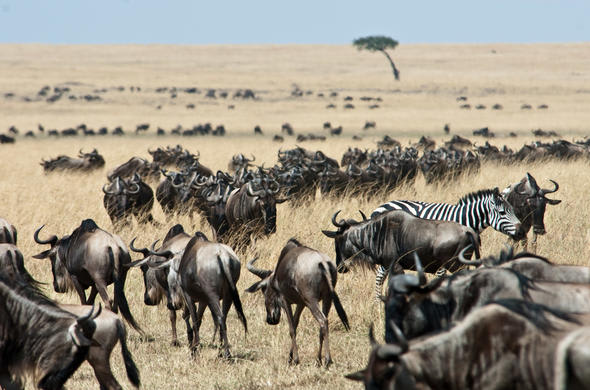
The Masai Mara is renowned for its exceptional wildlife viewing opportunities. You can expect to see the Big Five—lions, elephants, buffaloes, leopards, and rhinoceros—along with countless other species including giraffes, zebras, wildebeest, antelopes, hyenas, cheetahs, and warthogs. The reserve is also a birdwatcher's paradise with over 450 bird species. The abundance and diversity of wildlife make it one of Africa's premier safari destinations. Your chances of seeing these animals are significantly enhanced with multiple game drives across different areas of the reserve.
The Masai Mara offers excellent wildlife viewing year-round, but the best times depend on what you want to experience. The dry seasons—July to October and January to February—offer the best general wildlife viewing with easier game spotting due to sparse vegetation. July to October is particularly special as this is when the Great Migration occurs, with massive herds of wildebeest and zebras crossing the Mara River in dramatic fashion. The green season (November to June) is wetter but features lush landscapes, fewer tourists, and excellent bird watching. Consider your priorities: migration spectacle, general wildlife, or a balance of both.
A typical 3-day Masai Mara safari includes multiple game drives to maximize your wildlife viewing opportunities. You can expect morning and afternoon game drives each day, allowing you to experience the reserve during peak animal activity times when wildlife is most active and visible. Morning drives typically start at sunrise, while afternoon drives begin in the late afternoon and continue into early evening. This schedule provides six full game drive experiences over your three days, with professional guides who know the best locations and animal behavior patterns.
A comprehensive luxury Masai Mara safari typically includes all park entrance fees, accommodation at a premium lodge, all meals (breakfast, lunch, and dinner), private 4x4 safari vehicle with a professional English-speaking guide, bottled water during game drives, and airport transfers. These inclusions ensure a seamless experience where you can focus entirely on wildlife viewing and relaxation without worrying about logistics. Some packages may offer additional experiences such as cultural visits to Maasai villages, bush picnics, or special excursions, depending on the operator and your preferences.
Yes, many Masai Mara safaris offer the option to visit a local Maasai village, providing a rich cultural experience that complements your wildlife adventure. During these visits, you can interact with community members, learn about their traditional customs, see their traditional homes (manyattas), and understand their pastoral way of life and relationship with the land. These cultural experiences are typically conducted respectfully and often support local communities directly. It's best to confirm whether this experience is included in your package or available as an add-on, and to inquire about the specific community you'll be visiting.
The most efficient way to reach the Masai Mara from Nairobi is by domestic flight, which takes approximately one hour and offers stunning aerial views of the landscape during the journey. This fly-in option is ideal for luxury safaris as it maximizes your time in the reserve rather than spending an entire day driving. Alternatively, you can drive from Nairobi, which takes approximately 5-6 hours depending on road conditions and your route. The scenic flight allows you to appreciate the geography of Kenya and arrive refreshed and ready for your safari experience. Most luxury packages include airport transfers both in Nairobi and at the Mara airstrip.
For a Masai Mara safari, pack neutral-colored, lightweight clothing suitable for warm days and cool mornings and evenings—think khakis, greens, and earth tones that blend with the environment and don't disturb wildlife. Bring a warm layer or fleece jacket for early morning and evening game drives when temperatures drop. Essential items include a wide-brimmed hat, high-SPF sunscreen, sunglasses, and insect repellent. Comfortable walking shoes or boots are important for lodge activities and any walking safaris. Don't forget binoculars, a camera with extra batteries and memory cards, and any personal medications. Pack toiletries and a small first-aid kit, though luxury lodges typically provide amenities. Check your airline's baggage allowance as soft-sided luggage is preferred for small aircraft used on internal flights.
Visa requirements for Kenya depend on your nationality. Many countries' citizens can obtain a visa on arrival at Nairobi's Jomo Kenyatta International Airport or apply online through Kenya's e-visa portal before travel. Some nationalities may qualify for visa-free entry for short visits. It's essential to check the current requirements with the Kenyan embassy or official government website well in advance of your trip, as regulations can change. Ensure your passport is valid for at least six months beyond your intended stay. Additionally, you may need proof of vaccination against certain diseases like yellow fever, depending on where you're traveling from and Kenya's current health requirements.
The cost of a luxury Masai Mara safari varies significantly based on several factors including the lodge's star rating, season of travel, package duration, and what's included. A 3-day luxury fly-in safari typically ranges from mid-range to premium pricing depending on the specific lodge and operator. High-end luxury lodges command higher rates, particularly during peak migration season (July-October). Costs generally include accommodation, meals, game drives, and park fees, but international airfare, travel insurance, visa fees, and tips are usually separate. It's advisable to compare multiple operators, understand what's included in each package, and consider traveling during shoulder seasons for better value without compromising on experience.
While not legally required, travel insurance is highly recommended for any safari trip to Kenya and the Masai Mara. Comprehensive travel insurance should cover medical emergencies, evacuation (which can be expensive in remote areas), trip cancellation, lost luggage, and travel delays. Given that safaris involve travel to remote locations and potentially unpredictable wildlife encounters, having adequate coverage provides peace of mind and financial protection. Look for policies that specifically cover adventure activities and safari operations. Check whether your existing health insurance provides international coverage, but don't rely solely on it—dedicated travel insurance offers broader protection tailored to safari travel.
 Spoton VacationsNairobi , Kenya
© 2026 SafariFind. All rights reserved.