3 daysshared
3-Day Maasai Mara Camping Safari
Highlights
- Airport/Hotel Transfers
- Big Five game drives
Loading SafariFind...
Arrival in Nairobi & Transfer to Maasai Mara
Maasai Mara National Reserve
Meals: Dinner
Maasai Mara Full Day
Maasai Mara National Reserve
Meals: Breakfast, Lunch, Dinner
Maasai Mara to Nairobi
Nairobi
Meals: Breakfast
Year Round
Year-round
| Season | Solo traveler | 2 people | 3 – 4 people | 5 – 6 people | 7+ people | Child rate | Single suppl. |
|---|---|---|---|---|---|---|---|
Year Round Year-round | $810 | $540 | $490 | $460 | $430 | $380 | $160 |
Child rate applies to travelers under 3 years. Single supplement applies to solo travelers taking their own room.
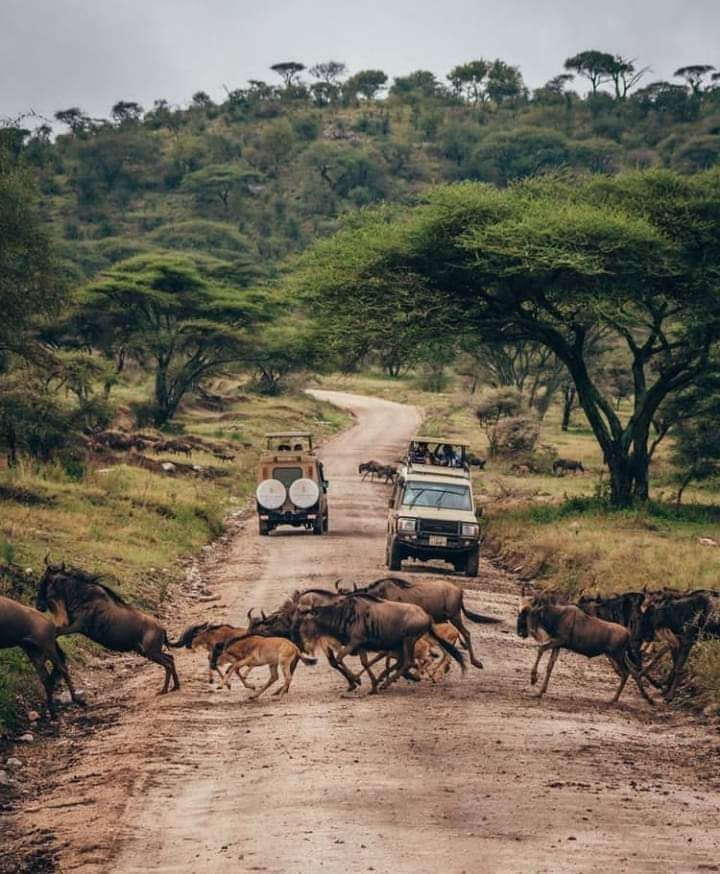
The Masai Mara is home to an incredible diversity of wildlife, including the famous Big Five—lions, elephants, buffalo, leopards, and rhinoceros. You'll also encounter zebras, giraffes, wildebeest, antelopes, hyenas, cheetahs, and numerous bird species. The reserve's varied ecosystems support over 95 mammal species and 450+ bird species, making it one of Africa's premier wildlife destinations. Game drives are conducted in open-roof safari vans, providing unobstructed viewing and photography opportunities as you track animals across the rolling savannahs.
The Masai Mara can be visited year-round, but the best times depend on what you want to experience. The dry seasons—June to October and January to February—offer the best game viewing as animals congregate around water sources, making wildlife easier to spot. July to October is particularly spectacular for witnessing the Great Migration, when massive herds of wildebeest and zebras cross from the Serengeti into the Mara. The rainy seasons (March to May and November to December) see fewer tourists, lush landscapes, and excellent birdwatching, though some roads may be challenging.
A 3-day Masai Mara camping safari typically includes accommodation, all meals, professional guiding, game drives, and park fees. Pricing varies based on the season, accommodation type, and operator, but budget safaris generally range from $800 to $2,000+ per person. Be aware that certain activities like hot air balloon safaris (approximately $500 per person) and beverages are usually excluded from the base package price. Personal travel insurance, visa fees, and tips for guides are also additional costs to factor into your budget.
Pack neutral-colored, lightweight clothing in layers—mornings and evenings are cool, but afternoons are warm. Essentials include a wide-brimmed hat, sunscreen, sunglasses, comfortable walking shoes, and closed-toe boots for game drives. Bring binoculars for wildlife viewing and a quality camera with extra batteries and memory cards. Don't forget toiletries, any personal medications, insect repellent, and a light jacket or fleece for early morning drives. While camping safaris are more rustic than lodge stays, most bush camps provide basic amenities. Check with your operator about specific accommodation facilities to pack accordingly.
Visa requirements for Kenya depend on your nationality. Citizens of many countries, including the US, UK, EU nations, Canada, and Australia, can obtain a visa on arrival or apply for an e-visa online before travel. The e-visa is typically processed within 3 business days and costs around $50 USD. Some nationalities enjoy visa-free entry for short stays. It's essential to check the current requirements with the Kenyan immigration website or your nearest Kenyan embassy well before your trip, as regulations can change. Ensure your passport is valid for at least six months beyond your travel dates.
The drive from Nairobi to the Masai Mara typically takes 5 to 6 hours, covering approximately 280 kilometers (170 miles) through varied landscapes. The journey includes sections of highway and rural roads, with the terrain becoming increasingly scenic as you approach the reserve. Most safari operators break up the journey with a lunch stop or brief rest. Road conditions can vary seasonally—dry season roads are generally better maintained, while rainy season travel may take slightly longer. Your safari package includes hotel or airport pickup and transportation in a safari van with an open hatch for optimal wildlife viewing during the drive.
A comprehensive safari package typically includes accommodation at a bush camp, all meals (breakfast, lunch, and dinner), professional guide services, all game drives with a safari vehicle, and park entrance fees. Transportation from your hotel or airport to the Masai Mara is also covered, along with statutory taxes. However, items like personal travel insurance, alcoholic beverages, soft drinks, optional activities (such as hot air balloon safaris), visa fees, and gratuities for guides are usually excluded. Always review your booking confirmation to understand exactly what's covered and what additional costs to expect.
Yes, camping on a safari is generally safe when done with reputable operators who maintain proper security measures. Bush camps in the Masai Mara are established in designated areas with experienced staff, guides, and security protocols. Camps are typically fenced, and guides accompany all activities outside the camp. While wildlife is present, dangerous animal encounters are rare when you follow your guide's instructions and stay in designated areas. Camping safaris offer a more immersive experience than lodge stays, allowing you to fall asleep to the sounds of the African bush while remaining secure. Choose operators with good safety records and positive reviews for peace of mind.
Yellow fever vaccination is recommended (and required if arriving from certain countries) for travel to Kenya. Malaria prophylaxis is strongly advised, particularly for the Masai Mara region, which sits at a lower altitude where malaria risk is moderate. Consult your doctor at least 4-6 weeks before travel to discuss vaccinations and medications tailored to your health profile. Common vaccinations like tetanus, typhoid, and hepatitis A are also recommended. Carry comprehensive travel insurance that covers medical evacuation. Pack a basic first-aid kit, any personal medications, and insect repellent. Check with your country's health authority and the Kenyan Ministry of Health for the latest health advisories before departure.
A typical 3-day Masai Mara safari includes multiple game drives spread across your stay. You'll usually have a game drive on your arrival day (afternoon), full-day game drives on your second day (morning and afternoon), and a morning game drive before departing on day three. This amounts to approximately 4-5 game drives during your 3-day package, providing ample opportunity to spot wildlife and experience the reserve's diverse ecosystems. Each game drive lasts 3-4 hours and is led by a professional guide in an open-roof safari van, maximizing your chances of wildlife encounters and photography opportunities.
 Cache Tours and SafarisNairobi, Kenya
© 2026 SafariFind. All rights reserved.