 1 / 81 / 8
Loading SafariFind...
1 / 8Arrival in Nairobi – Transfer to Maasai Mara
Meals: Lunch, Dinner
Day 2: Full Day in Maasai Mara
Meals: Breakfast, Lunch, Dinner
Day 3: Maasai Mara – Return to Nairobi
Meals: Breakfast
High Season
Jun 2026 – Oct 2026
Low Season
Nov 2026 – May 2027
| Season | Solo traveler | 2 people | 3 – 4 people | 5 – 6 people | 7+ people | Child rate | Single suppl. |
|---|---|---|---|---|---|---|---|
High Season Jun 2026 – Oct 2026 | $1,340 | $1,340 | $1,340 | $1,340 | $1,340 | $1,340 | $400 |
Low Season Nov 2026 – May 2027 | $1,340 |
Child rate applies to travelers under 12 years. Single supplement applies to solo travelers taking their own room.
The Maasai Mara is home to an exceptional variety of wildlife, including the Big Five—lions, leopards, elephants, buffalo, and rhinoceros. You'll also encounter zebras, giraffes, wildebeest, antelopes, hyenas, cheetahs, and numerous bird species. The reserve's diverse habitats, from riverine forests to open plains, support different animal populations throughout the year. Early morning and afternoon game drives maximize your chances of spotting active wildlife, as many animals are most visible during cooler parts of the day. While wildlife viewing is never guaranteed, the Maasai Mara has one of the highest concentrations of Big Five animals in Africa, making sightings highly probable during a three-day visit with experienced guides.
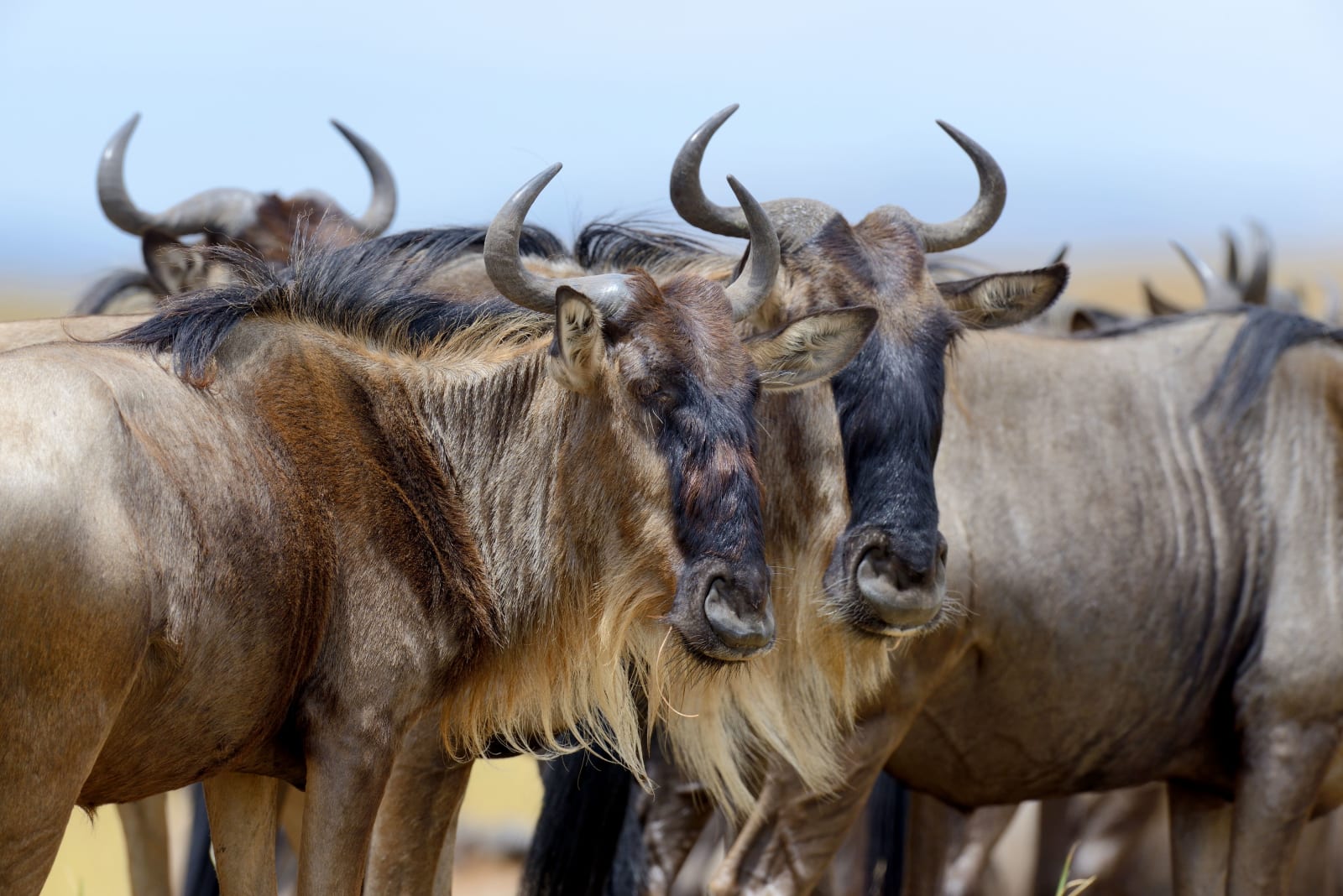
The wildebeest migration typically peaks between July and October, when massive herds cross the Mara River in one of nature's most dramatic spectacles. During these months, you'll witness the thundering hooves of hundreds of thousands of wildebeest moving across the landscape in search of fresh grazing lands. However, the Maasai Mara offers exceptional wildlife viewing year-round, so you're not limited to migration season. The reserve's diverse ecosystems and abundant wildlife ensure memorable encounters regardless of when you visit. If witnessing the migration is your priority, plan your trip for the July to October window, but any season provides outstanding safari experiences.
Three days is an ideal duration for a Maasai Mara safari. This timeframe strikes the perfect balance between experiencing genuine wildlife encounters and fitting efficiently into most travel schedules. Over three days, you'll complete multiple game drives—typically early morning and afternoon excursions—giving you diverse opportunities to spot animals during their most active periods. Three days provides ample time to experience the Mara's rhythms, witness varied wildlife behaviors, and significantly increase your chances of seeing the Big Five without rushing the experience. While longer safaris allow for even deeper exploration, three days is sufficient for an immersive and authentic African wilderness adventure.
Pack neutral-colored, lightweight clothing in earth tones (khaki, tan, olive) to blend into the landscape and avoid disturbing wildlife. Bring long-sleeved shirts and pants for sun protection and to guard against insects. Include a warm layer or light jacket for early morning game drives, which can be cool. Essential items include a wide-brimmed hat, sunglasses, high-SPF sunscreen, and insect repellent. Bring binoculars and a camera with a good zoom lens for wildlife photography. Comfortable, closed-toe hiking boots or sturdy walking shoes are important for uneven terrain. Pack personal medications, toiletries, and any necessary prescriptions. A small daypack is useful for carrying water and essentials during game drives. Check your accommodation's amenities to avoid overpacking, and remember that bottled water is provided during game drives.
While travel insurance is not mandatory, it is highly recommended for any African safari. Comprehensive travel insurance should cover medical emergencies, evacuation, trip cancellation, lost luggage, and personal belongings. Safari activities, while generally safe with professional guides, can involve unexpected situations where medical evacuation might be necessary—travel insurance ensures you're protected. Insurance also covers trip cancellations due to illness or unforeseen circumstances, which is valuable given the distance and cost of international travel. Additionally, some insurance policies cover adventure activities specific to safaris. Before purchasing, review the policy details to ensure it covers your destination, includes medical evacuation, and provides adequate coverage limits. Check with your travel provider for recommended insurance options.
Vaccinations are recommended for travel to Kenya and the Maasai Mara region. Consult your healthcare provider or a travel medicine clinic at least 4-6 weeks before your trip to discuss your specific health needs. Commonly recommended vaccinations include yellow fever, typhoid, and routine immunizations (measles, mumps, rubella, polio, tetanus). Malaria prophylaxis is typically advised for the Maasai Mara, as the region is in a malaria-endemic area. Your doctor will recommend the most appropriate antimalarial medication based on your health history and the specific areas you'll visit. Additionally, ensure you have comprehensive travel insurance that covers medical emergencies. Health requirements can change, so check official health advisories from your country's health department closer to your travel dates for the most current recommendations.
A typical Maasai Mara safari package includes comprehensive accommodations for your entire stay, all park entrance fees to access the reserve, professional game drives in a private 4x4 safari vehicle with an experienced English-speaking guide, three daily meals (breakfast, lunch, and dinner), bottled water during game drives, airport transfers, and government taxes and VAT. This all-inclusive approach means most of your major safari costs are covered upfront. However, packages may vary, so it's important to confirm specific inclusions when booking. Items typically not included are international airfare, travel insurance, visa fees, alcoholic beverages, tips and gratuities for guides and staff, personal expenses, optional activities beyond scheduled game drives, and travel vaccinations. Review your booking confirmation carefully to understand exactly what's covered and plan accordingly for additional expenses.
The cost of a three-day Maasai Mara safari varies depending on accommodation quality, season, and operator, but budget-friendly options provide exceptional value without compromising the quality of your wildlife experience. Budget packages typically range from moderate to mid-range pricing and include accommodation, all meals, game drives, park fees, and professional guiding. Peak season (July-October) and premium accommodations command higher prices, while shoulder seasons offer better rates. The investment covers significant value: expert guides, access to one of Africa's most productive wildlife viewing areas, multiple game drives, comfortable lodging, and comprehensive meals. Many operators offer flexible pricing based on accommodation choices. To get accurate quotes, contact safari operators directly with your travel dates and preferred accommodation level. Remember that budget-friendly pricing doesn't mean compromising on authentic safari experiences or professional service quality.
Your chances of seeing the Big Five—lion, leopard, elephant, buffalo, and rhinoceros—are highly probable on a three-day Maasai Mara safari. The Maasai Mara has one of the highest concentrations of Big Five animals in Africa, and experienced guides know the best locations and times to find them. Over three days with multiple early morning and afternoon game drives, you'll have numerous opportunities to encounter these iconic animals. Lions are particularly common, elephants are frequently spotted, buffalo congregate in herds, and leopards, though more elusive, are regularly sighted by skilled guides. However, it's important to remember that wildlife viewing is never guaranteed—animals are wild and unpredictable. The probability increases significantly with experienced guides, multiple game drives, and diverse habitats within the reserve. Many visitors successfully see all five within three days, though some may require longer stays for complete sightings.
The primary differences between budget and luxury safaris in the Maasai Mara lie in accommodation quality, amenities, and sometimes group size, rather than the core safari experience itself. Budget safaris offer comfortable, functional lodges or camps with basic amenities, while luxury safaris provide high-end resorts with premium facilities, gourmet dining, and personalized service. Both include professional guides, game drives in 4x4 vehicles, park access, and meals. Luxury safaris often feature smaller group sizes, allowing for more personalized attention and flexible game drive schedules. Accommodation differences are significant—budget options might be basic but clean lodges, while luxury includes exclusive camps with fine dining and spa facilities. The wildlife viewing experience is comparable; both benefit from the Maasai Mara's abundant animals and experienced guides. Your choice depends on your budget and preferences for comfort and amenities. Budget safaris deliver authentic, excellent wildlife experiences at exceptional value, while luxury safaris add premium comfort and personalized service. Either option provides memorable encounters with Africa's greatest wildlife.
© 2026 SafariFind. All rights reserved.
| $1,340 |
| $1,340 |
| $1,340 |
| $1,340 |
| $1,340 |
| $400 |