Loading SafariFind...
Depart from Nairobi to maasai mara
Meals: Lunch, Dinner
maasai mara full day
Meals: Breakfast, Lunch, Dinner
depart from maasai mara to Nairobi
Meals: Breakfast
Year Round
Year-round
| Season | Solo traveler | 2 people | 3 – 4 people | 5 – 6 people | 7+ people | Single suppl. |
|---|---|---|---|---|---|---|
Year Round Year-round | $1,440 | $960 | $860 | $810 | $770 | $290 |
Single supplement applies to solo travelers taking their own room.
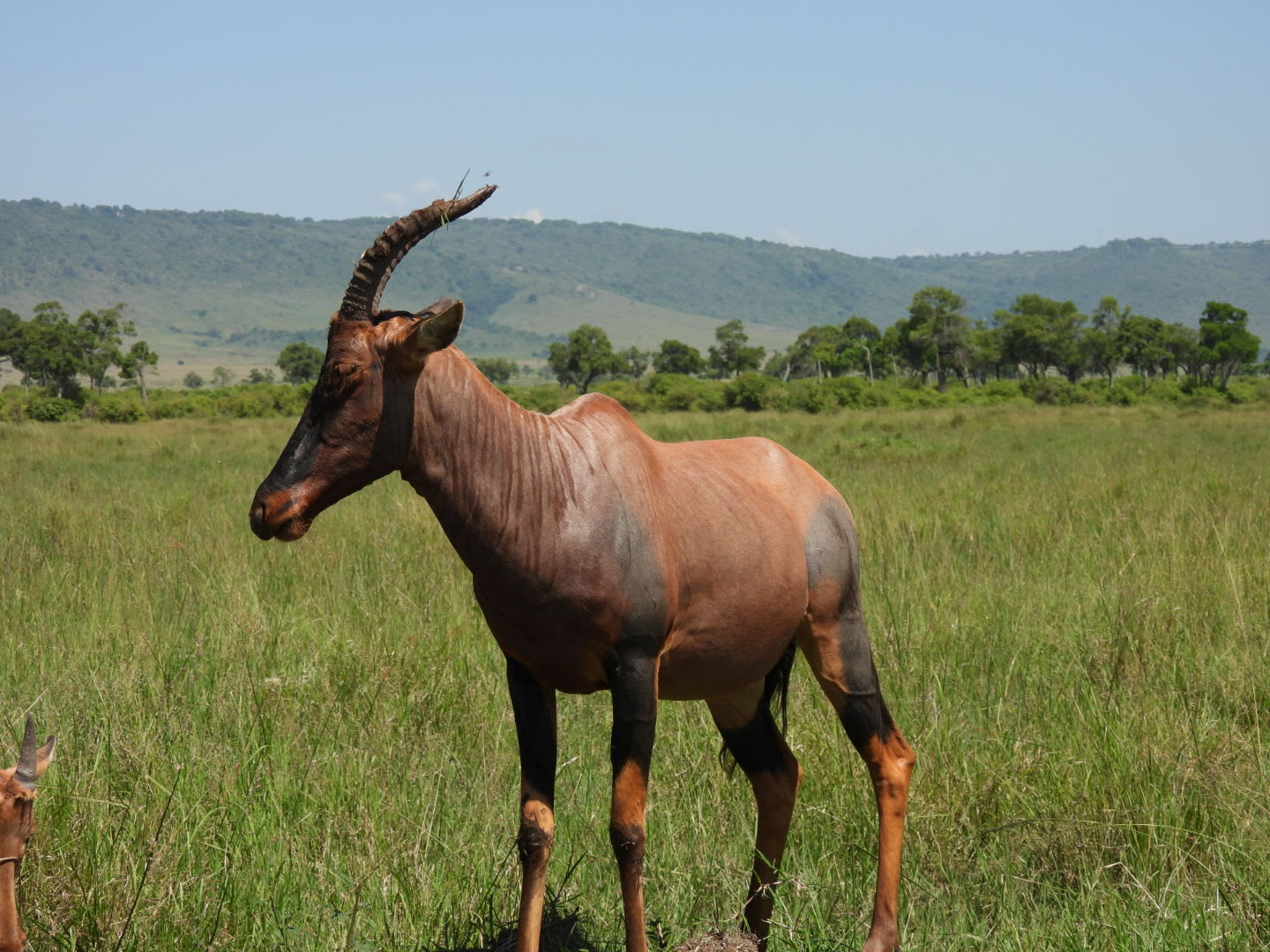
The Maasai Mara is home to an exceptional concentration of African wildlife. You can expect to see the Big Five—lions, elephants, leopards, buffalo, and rhinoceros—along with giraffes, zebras, wildebeest, and countless other herbivores. The park is also a birdwatcher's paradise, with numerous species of raptors and other birds visible throughout the day. The Mara's wildlife density means sightings are frequent, and most visitors encounter lions, elephants, and giraffes daily. While three days won't guarantee sightings of every species, the frequency of wildlife encounters in the Mara makes it one of Africa's most reliable destinations for seeing diverse animal life.
Yes, three days is an ideal introduction to the Maasai Mara. During a 3-day safari, you'll typically experience six game drives—usually two per day (early morning and afternoon)—which provides excellent wildlife viewing opportunities. Three days gives you enough time to witness the Mara's signature wildlife drama, experience the rhythms of the savanna, and capture unforgettable moments. While longer safaris allow for deeper exploration and increased chances of rare sightings, a 3-day safari captures the essence of the Maasai Mara and is particularly well-suited for travelers with limited time or those seeking their first safari experience.
The Maasai Mara can be visited year-round, but the best time depends on what you want to experience. The Great Migration typically occurs from July to October, when massive herds of wildebeest and zebra move through the park, creating dramatic river crossings and predator-prey interactions. However, the Maasai Mara hosts abundant resident wildlife throughout the year, providing exceptional viewing even outside migration season. The dry seasons (June-October and January-February) generally offer the best game viewing because wildlife congregates around water sources and vegetation is sparse, making animals easier to spot. The rainy seasons can be less predictable for sightings but offer lush landscapes and fewer tourists. When booking, confirm current wildlife patterns and migration timing to match your preferences.
Pack neutral-colored, lightweight clothing suitable for warm days and cool mornings—earth tones like khaki, tan, and olive green are ideal for both comfort and wildlife photography. Bring layers including a light jacket or sweater for early morning game drives when temperatures are cooler. Essential items include a wide-brimmed hat, sunglasses, high-SPF sunscreen, and insect repellent. Comfortable walking shoes and closed-toe shoes for vehicle travel are important. Don't forget binoculars for better wildlife viewing, a camera with a good zoom lens, and a small daypack. Toiletries, any personal medications, and a reusable water bottle are also recommended. While accommodations typically provide basic amenities, it's wise to bring any specific personal care items you prefer. Check with your operator for any specific recommendations based on the season of your visit.
Visa requirements for Kenya depend on your nationality. Many countries' citizens can obtain a visa on arrival at Jomo Kenyatta International Airport in Nairobi, or apply for an e-visa online before travel. However, visa policies vary significantly by country, so it's essential to check the official Kenyan government immigration website or contact your nearest Kenyan embassy well in advance of your trip. Additionally, ensure your passport is valid for at least six months beyond your intended stay. Some travelers may also need to provide proof of yellow fever vaccination, depending on where they're traveling from. Starting the visa process early ensures a smooth journey to your safari destination.
While specific vaccination requirements depend on your home country and medical history, travelers to Kenya are commonly advised to be up-to-date on routine vaccinations (MMR, tetanus, etc.). Yellow fever vaccination is often recommended, and some countries may require proof of vaccination for entry. Malaria is present in the Maasai Mara region, so antimalarial medication is typically advised—consult your doctor about options like chloroquine, doxycycline, or atovaquone-proguanil. Typhoid and hepatitis A vaccines are also frequently recommended. It's crucial to visit a travel health clinic at least 4-6 weeks before your departure to receive personalized medical advice based on your health profile and the current health situation in Kenya. Your healthcare provider can also recommend appropriate insect repellent and other preventative measures.
A 3-day Maasai Mara safari package typically falls into the mid-range luxury category, offering excellent value by balancing comfort with authenticity. Most packages include park entrance fees, accommodation in well-appointed lodges or camps, all meals, private 4x4 safari vehicle use, professional English-speaking guides, bottled water during game drives, and airport transfers from Nairobi. This positioning means you'll enjoy private or semi-private rooms with en-suite bathrooms and quality service without the premium pricing of ultra-luxury resorts. Costs typically exclude international airfare, visa fees, travel insurance, alcoholic beverages, personal expenses, tips and gratuities, and optional activities. The exact price varies based on accommodation choices, season, and operator. Mid-range luxury represents the sweet spot for most travelers seeking serious wildlife viewing with comfortable, authentic accommodations.
The main differences lie in accommodation quality, service level, and overall comfort. Budget safaris typically feature basic shared accommodations with limited amenities, simple meals, and minimal service. Mid-range luxury safaris offer private or semi-private rooms with en-suite bathrooms, quality meals, attentive service, and lodges with authentic character and personality. Both options use professional guides and game drives, but mid-range operators often have more experienced guides and better-maintained vehicles. Mid-range luxury accommodations enhance your safari experience without the ultra-premium pricing of high-end luxury resorts, which offer amenities like spas, fine dining, and exclusive camps. For most travelers, mid-range luxury represents the ideal balance—you get genuine comfort, excellent service, and quality wildlife viewing without unnecessary extravagance or excessive costs.
Whether you'll see the Great Migration depends on when you visit. The migration typically reaches the Maasai Mara between July and October, when massive herds of wildebeest and zebra move through the park, creating dramatic river crossings and intense predator-prey interactions. If you're visiting during these months and book accordingly, you have excellent chances of witnessing this natural spectacle. However, the migration timing can vary slightly year to year based on rainfall and grazing conditions. Even if you visit outside peak migration months, the Maasai Mara hosts abundant resident wildlife year-round, providing exceptional viewing experiences. When booking your safari, confirm current migration patterns and timing with your operator to ensure you travel during the season that matches your wildlife viewing priorities.
Game drives on a Maasai Mara safari are typically scheduled around wildlife activity patterns. Most 3-day safaris include six game drives total—usually two per day: an early morning drive starting before sunrise and an afternoon drive in the late afternoon. Early morning drives are particularly productive because wildlife is most active during cooler temperatures and many animals are feeding. You'll travel in open-sided 4x4 vehicles specifically designed for wildlife viewing and photography, allowing excellent visibility and photo opportunities. Professional guides with deep knowledge of animal behavior and the ecosystem lead the drives, helping you spot wildlife and explaining ecosystem dynamics. The carefully paced schedule balances intensive wildlife viewing with rest periods, allowing you to experience the Mara's rhythms without feeling rushed. This approach maximizes your chances of memorable encounters while maintaining comfort throughout your safari.
Yes, authentic cultural encounters with the Maasai people are typically included as part of a Maasai Mara safari experience. These interactions allow you to learn about Maasai traditions, customs, and way of life directly from community members. Visits might include Maasai villages (manyattas) where you can see traditional homes, learn about pastoralist culture, and sometimes participate in cultural activities. These experiences are designed to be respectful and mutually beneficial, often supporting local communities directly. Your professional guide can facilitate these encounters and provide context about Maasai history and contemporary life. The specific nature and extent of cultural interactions vary by operator and itinerary, so discuss your interests with your safari operator when booking. These encounters add a meaningful cultural dimension to your wildlife-focused safari adventure.
 Tukutane Kenya SafarisNairobi, Kenya4.8(13 reviews)
© 2026 SafariFind. All rights reserved.