Loading SafariFind...
Nairobi to Masai Mara
Maasai Mara
Meals: Lunch, Dinner
Full Day Masai Mara
Maasai Mara
Meals: Breakfast, Lunch, Dinner
Masai Mara to Nairobi
Nairobi County
Meals: Breakfast
High Season
Jun 2026 – Oct 2026
Low Season
Nov 2026 – May 2027
| Season | Solo traveler | 2 people | 3 – 4 people | 5 – 6 people | 7+ people | Child rate | Single suppl. |
|---|---|---|---|---|---|---|---|
High Season Jun 2026 – Oct 2026 | $2,820 | $1,880 | $1,690 | $1,600 | $1,500 | $1,320 | $560 |
Low Season Nov 2026 – May 2027 | $2,650 |
Child rate applies to travelers under 12 years. Single supplement applies to solo travelers taking their own room.
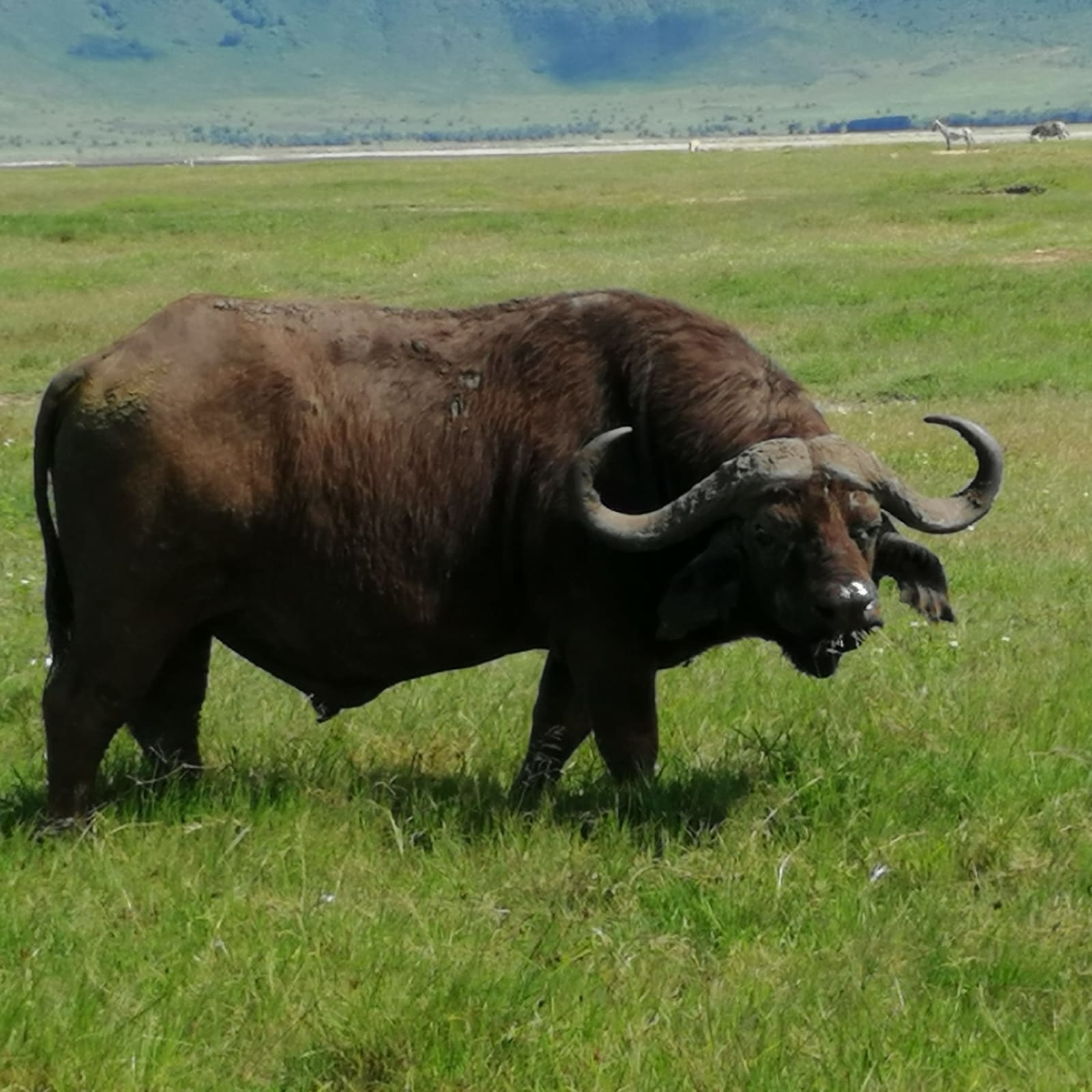
The Masai Mara is home to an incredible variety of wildlife. You'll encounter the Big Five—lions, leopards, elephants, buffalo, and rhinoceroses—along with cheetahs, giraffes, zebras, wildebeests, and numerous other species. The park is particularly famous for hosting vast herds during the Great Migration, when hundreds of thousands of wildebeests and zebras traverse the plains in search of fresh grazing grounds. Birdwatchers will also find over 450 bird species throughout the reserve. The density and diversity of wildlife in the Masai Mara make it one of Africa's premier safari destinations.
The best time to visit the Masai Mara depends on what you want to experience. For the Great Migration, July through October is ideal, when massive herds cross the plains and rivers, creating dramatic wildlife encounters. The dry season from June to October also offers excellent game viewing overall, as animals congregate around water sources, making them easier to spot. However, the Masai Mara is worth visiting year-round. The rainy season (November to May) brings lush landscapes, fewer tourists, and excellent bird watching. Consider your preferences for wildlife density, weather conditions, and crowd levels when planning your trip.
A 3-day Masai Mara safari package typically includes accommodation, all meals, park entrance fees, a private 4x4 vehicle, a professional guide, and bottled water during game drives. The total cost varies based on your choice of lodge or camp, season of travel, and specific operator. Budget safaris start at more affordable rates, while luxury accommodations command premium prices. Keep in mind that international airfare, travel insurance, visa fees, tips, and alcoholic beverages are usually not included and should be factored into your overall budget. It's worth comparing different operators to find the best value for your preferred level of comfort.
Pack neutral-colored, lightweight clothing in earth tones (khaki, tan, olive) to blend in with the landscape and avoid disturbing wildlife. Bring layers, as mornings and evenings can be cool despite daytime heat. Essential items include a wide-brimmed hat, sunglasses, high-SPF sunscreen, and insect repellent. Comfortable walking shoes and closed-toe boots are important for game drives and lodge activities. Don't forget binoculars, a camera with extra batteries and memory cards, and any personal medications. A light rain jacket is useful year-round. Most lodges provide bottled water, but you may want a reusable water bottle. Check with your operator for specific recommendations based on the season you're traveling.
The Masai Mara is generally a safe destination for tourists when you follow standard safari protocols and travel with reputable operators. Game drives are conducted in secure vehicles with experienced professional guides who understand animal behavior and safety procedures. Lodges and camps maintain good security standards. The main safety consideration is respecting wildlife—never approach animals on foot, and always follow your guide's instructions during game drives. Standard travel precautions apply, such as avoiding valuables displays and being aware of your surroundings in towns. Check current travel advisories from your government before booking, and consider travel insurance. Millions of tourists visit the Masai Mara safely each year by using licensed operators and following recommended guidelines.
Visa requirements for Kenya depend on your nationality. Many countries' citizens can obtain a visa on arrival or apply for an e-visa online before travel, which is the most convenient option. Some nationalities may qualify for visa-free entry for short stays. It's essential to check the current requirements with the Kenyan immigration authority or your nearest Kenyan embassy well before your trip, as regulations can change. Your passport must be valid for at least six months beyond your intended stay. Additionally, you may need proof of certain vaccinations (like yellow fever) depending on where you're traveling from. Start the visa process early to avoid any travel delays.
The drive from Nairobi to the Masai Mara typically takes between 5 to 7 hours, covering approximately 280 kilometers (175 miles) depending on road conditions and your exact destination within the reserve. The journey passes through diverse Kenyan landscapes, from urban areas to rural farmland and eventually to the expansive savannah. Most safari packages arrange this transfer as part of your itinerary, with your professional guide providing commentary along the way. The drive itself can be an enjoyable part of the safari experience, offering opportunities to see the Kenyan countryside. Road conditions vary seasonally, so travel times may be longer during rainy periods. Many operators break up the journey with a lunch stop or brief visits to points of interest.
A comprehensive Masai Mara safari package typically includes accommodation at a lodge or camp, all meals (breakfast, lunch, and dinner), park entrance fees, transportation in a private 4x4 safari vehicle, services of a professional English-speaking guide, and bottled water during game drives. These inclusions cover the core safari experience, ensuring you can focus entirely on wildlife viewing and enjoying the landscape. However, items like international flights, travel insurance, visa fees, alcoholic beverages, tips and gratuities for staff, personal expenses, and optional activities are usually not included. Some packages may offer additional perks like laundry services or Wi-Fi at your accommodation. Always review the specific inclusions and exclusions with your operator to understand exactly what's covered and budget accordingly for extras.
Yes, you can see the Great Migration on a 3-day Masai Mara safari, particularly if you visit during peak migration season from July to October. During these months, massive herds of wildebeests and zebras move across the Masai Mara plains in search of fresh grass and water, creating some of the most dramatic wildlife spectacles on Earth. Your chances of witnessing river crossings and large concentrations of animals are highest during this period. However, the exact timing and location of the migration can be unpredictable—herds move based on rainfall and grass availability. A 3-day safari provides sufficient time for multiple game drives to increase your chances of encountering the migration. Even outside peak season, you'll see abundant wildlife, though the massive herds won't be present. Your guide will use their expertise to position you in the best locations for sightings.
A game drive involves traveling in a vehicle (typically a 4x4) to search for and observe wildlife across the savannah. This is the primary method used in most Masai Mara safaris and allows you to cover large distances, see a wide variety of animals, and maintain a safe distance from predators. Game drives offer excellent photography opportunities and are suitable for all fitness levels. A walking safari, by contrast, involves exploring the landscape on foot with a guide, typically in smaller groups. This offers a more intimate, immersive experience and allows you to observe smaller details like insects, plants, and bird behavior that you might miss from a vehicle. Walking safaris require a reasonable fitness level and are often shorter in duration. Many safari packages focus on game drives, though some operators offer optional walking safaris as an additional experience. Both methods provide unique perspectives on the Masai Mara ecosystem.
Many Masai Mara safari experiences include opportunities to interact with the Maasai community, one of Kenya's most iconic indigenous groups. These interactions might include visits to Maasai villages, learning about their traditional customs, viewing their distinctive beadwork and crafts, and hearing stories about their pastoral lifestyle and deep connection to the land. However, the extent and nature of cultural experiences vary depending on your specific safari package and operator. Some packages include organized village visits, while others may offer informal interactions during game drives or at your lodge. It's important to engage respectfully with the Maasai people and support their communities fairly—many operators ensure that tourism benefits local families directly. Check with your operator about what cultural experiences are included in your package and whether additional cultural tours are available as optional activities.
 frenzy adventures limitedMombasa, Kenya
© 2026 SafariFind. All rights reserved.
| $1,770 |
| $1,590 |
| $1,500 |
| $1,410 |
| $1,320 |
| $560 |