3 daysprivate
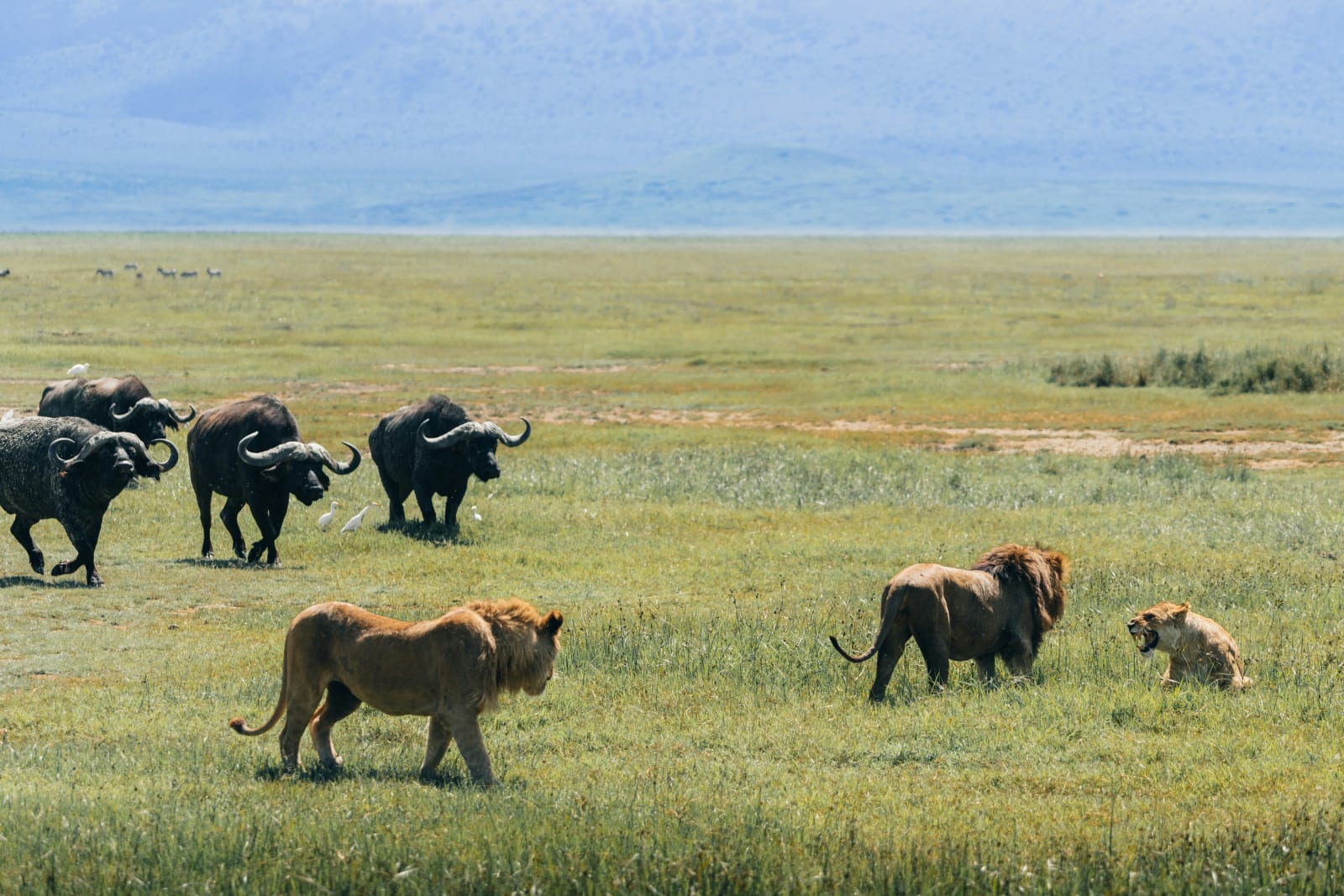
3-Day 3-Day Masai Mara Migration Wild Cats
Highlights
- Big Five Game Drives
- Wildebeest Migration
Loading SafariFind...
Nairobi- Masai Mara National Reserve
Maasai Mara
Meals: Lunch, Dinner
Full Day at Masai Mara
Maasai Mara
Meals: Breakfast, Lunch, Dinner
Masai Mara- Nairobi
Nairobi
Meals: Breakfast
High Season
Jun 2026 – Oct 2026
Low Season
Nov 2026 – May 2027
| Season | Solo traveler | 2 people | 3 – 4 people | 5 – 6 people | 7+ people | Child rate | Single suppl. |
|---|---|---|---|---|---|---|---|
High Season Jun 2026 – Oct 2026 | $1,610 | $1,070 | $970 | $910 | $860 | $750 | $320 |
Low Season Nov 2026 – May 2027 | $1,370 |
Child rate applies to travelers under 12 years. Single supplement applies to solo travelers taking their own room.
The Masai Mara is home to an incredible diversity of wildlife, including the Big Five (lions, leopards, elephants, buffalo, and rhinoceros), as well as giraffes, zebras, wildebeest, cheetahs, hyenas, and numerous bird species. The reserve is particularly famous for its big cat populations, making it one of Africa's premier destinations for viewing predators in their natural habitat. During the Great Migration season (July to October), you'll also witness massive herds of wildebeest and zebras crossing the Mara River in dramatic fashion.
The Masai Mara offers excellent wildlife viewing year-round, but the best times depend on what you want to experience. The dry seasons—July to October and January to February—provide the best game viewing as animals congregate around water sources. July to October is peak season for witnessing the Great Migration, when massive herds move between the Serengeti and Masai Mara. December to February offers excellent predator sightings and lush landscapes after the short rains. The shoulder seasons (March-June and November) are less crowded and offer good value, though wildlife viewing can be more unpredictable.
A 3-day safari is the minimum recommended duration to experience the Masai Mara meaningfully. This timeframe allows for approximately two full days of game drives plus travel time from Nairobi, giving you adequate opportunity to spot diverse wildlife and experience the reserve's landscapes. Three days provides a good balance between immersing yourself in the safari experience and managing travel logistics. For a more comprehensive experience, many travelers extend to 4-5 days, but a 3-day package is ideal for those with limited time who still want authentic safari encounters.
Pack neutral-colored, breathable clothing in earth tones (khaki, tan, olive green) to blend into the landscape and avoid disturbing wildlife. Bring layers as mornings and evenings can be cool despite daytime heat. Essential items include a wide-brimmed hat, sunscreen, sunglasses, and binoculars for spotting distant wildlife. Wear closed-toe hiking boots or sturdy walking shoes for comfort during long game drives and any walking excursions. Include a light rain jacket as weather can be unpredictable. Don't forget a camera with a good zoom lens, toiletries, any personal medications, and a headlamp or flashlight. Avoid bright colors, white, or heavily patterned clothing as these can startle animals.
Visa requirements for Kenya depend on your nationality. Many countries' citizens can obtain a visa on arrival or through online e-visa systems, while others may need to apply in advance at their nearest Kenyan embassy or consulate. It's essential to check the current requirements well before your trip on the official Kenya immigration website or with your travel provider, as regulations can change. Most visitors will need a passport valid for at least six months beyond their travel dates. Processing times vary, so apply early if required. Your safari operator can often provide guidance on visa requirements for your specific country.
While specific vaccination requirements depend on your home country and medical history, yellow fever vaccination is commonly recommended for travel to Kenya, and some countries require proof of vaccination for entry. Malaria prophylaxis is typically advised, as the Masai Mara region is in a malaria zone. Routine vaccinations (MMR, tetanus, etc.) should be up to date. Consult with a travel medicine clinic or your healthcare provider at least 4-6 weeks before your trip to discuss your individual health needs, as recommendations vary based on your vaccination history and any underlying conditions. Your safari operator can provide general health guidance, but medical professionals should determine your specific vaccination and prevention requirements.
The cost of a 3-day Masai Mara safari varies significantly based on accommodation quality, season, and operator. Budget options may range from $1,500-$2,500 per person, while mid-range safaris typically cost $2,500-$4,500, and luxury experiences can exceed $5,000 per person. A comprehensive 3-day package usually includes park entrance fees, accommodation, all meals, a private 4x4 vehicle, professional guiding, and airport transfers. Additional costs to budget separately include international flights, travel insurance, visa fees, vaccinations, tips for guides and staff, and personal expenses. Booking during shoulder seasons (March-June, November) often provides better value than peak season rates.
Yes, the Masai Mara is generally considered safe for tourists when proper precautions are followed. The reserve is well-established with experienced guides, professional operators, and clear safety protocols. Game drives are conducted in secure vehicles, and wildlife encounters are managed by knowledgeable professionals who understand animal behavior. Standard safety practices include staying in vehicles during game drives, following guide instructions, and avoiding solo exploration outside designated areas. Like any travel destination, it's wise to stay aware of your surroundings, avoid displaying valuables, and use reputable operators. Check current travel advisories from your government before booking, purchase comprehensive travel insurance, and follow all guidance provided by your safari operator and professional guides.
A comprehensive safari package typically includes park entrance fees, accommodation at a lodge or camp, three daily meals (breakfast, lunch, and dinner), game drives in a private 4x4 vehicle with a professional English-speaking guide, bottled water during drives, airport transfers, and government taxes. Some packages may also include guided nature walks or visits to Maasai villages, depending on the operator. However, packages usually exclude international flights, travel insurance, visa fees, vaccinations, alcoholic beverages, tips and gratuities for staff, and personal expenses. It's important to review the specific inclusions and exclusions of your chosen package, as offerings vary between operators and accommodation levels.
The drive from Nairobi to the Masai Mara typically takes 5-6 hours, covering approximately 280 kilometers (175 miles) through varied Kenyan landscapes. The journey includes traveling through the Great Rift Valley and passes through towns like Narok before reaching the reserve. Road conditions are generally good but can be affected by weather, particularly during rainy seasons. Most safari packages include airport transfers and transport to the reserve as part of the itinerary. Some travelers opt for domestic flights from Nairobi, which take approximately 1 hour but are more expensive. Departing early in the morning allows you to arrive with time for an afternoon game drive on your first day, maximizing your safari experience.
© 2026 SafariFind. All rights reserved.
| $910 |
| $820 |
| $780 |
| $730 |
| $750 |
| $320 |
