 1 / 21 / 2
Loading SafariFind...
1 / 2Arrival & Tarangire National Park Game Drive
Meals: Lunch, Dinner
Full Day Tarangire & Transfer to Ngorongoro Conservation Area
Meals: Breakfast, Lunch, Dinner
Ngorongoro Crater & Lake Manyara National Park Safari
Meals: Breakfast, Lunch
Year Round
Year-round
| Season | Solo traveler | 2 people | 3 – 4 people | 5 – 6 people | 7+ people | Child rate | Single suppl. |
|---|---|---|---|---|---|---|---|
Year Round Year-round | $2,510 | $1,670 | $1,500 | $1,420 | $1,340 | $1,170 | $500 |
Child rate applies to travelers under 12 years. Single supplement applies to solo travelers taking their own room.
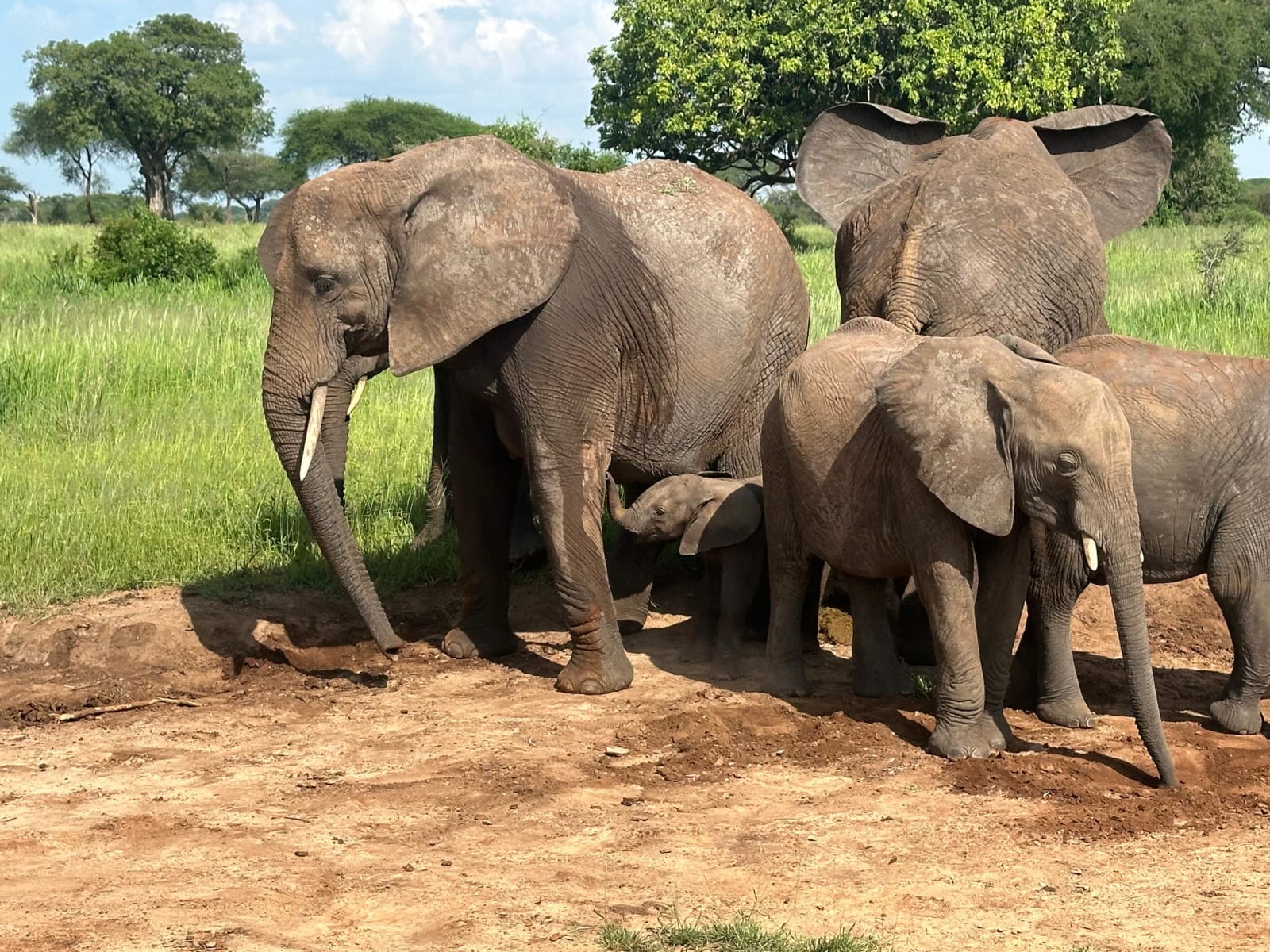
Tarangire National Park is renowned for its massive elephant concentrations—some of the largest herds in Africa. Beyond elephants, you'll encounter lions, leopards, buffalo, zebras, wildebeest, giraffes, and hyenas. The park is also characterized by ancient baobab forests that create a distinctive landscape. Birdwatchers will find over 500 bird species throughout the park. Wildlife viewing is particularly excellent during the dry season when animals concentrate around the Tarangire River, the only permanent water source in the region.
Yes, three days is sufficient for a meaningful safari experience, especially when visiting multiple distinct ecosystems. While longer safaris allow for deeper exploration, a well-planned three-day itinerary across different parks provides excellent wildlife viewing opportunities and time to genuinely experience each landscape. The key is maximizing your time in the field with early starts and full-day game drives led by professional guides who know where to find wildlife and understand animal behavior patterns.
The dry season from June to October is considered the best time for safari in Tanzania. During these months, vegetation is sparse, animals concentrate around water sources, and visibility for wildlife spotting is optimal. However, the wet season from November to May offers distinct advantages: lush green landscapes, fewer tourists, lower prices, and exceptional birdwatching opportunities. Your choice depends on priorities—choose dry season for maximum wildlife sightings, or wet season for scenic beauty and solitude.
The Ngorongoro Crater is one of Tanzania's best locations for viewing the Big Five: lions, leopards, elephants, buffalo, and rhinoceros. The crater's enclosed ecosystem concentrates wildlife, making sightings more likely than in many other reserves. The crater floor teems with predators, and the dramatic 2,000-meter caldera setting creates unparalleled viewing opportunities. However, wildlife sightings vary seasonally and are never guaranteed—this is nature, not a zoo. Professional guides maximize your chances by understanding animal movement patterns and habitat preferences.
Lake Manyara National Park is famous for its tree-climbing lions—a behavior rarely seen elsewhere in Africa where lions typically hunt on the ground. The park's shimmering alkaline lake attracts massive flocks of flamingos and other waterbirds, creating spectacular photographic opportunities. Manyara's diverse habitat includes acacia forests, groundwater forests, and the lake itself, supporting varied wildlife from elephants and giraffes to hippos and baboons. The park offers intimate wildlife encounters in a compact area, making it ideal for concentrated viewing within a short timeframe.
Visiting Tarangire, Ngorongoro, and Lake Manyara showcases the full spectrum of Tanzania's ecological diversity. Tarangire specializes in massive elephant herds and baobab-dotted plains. Ngorongoro's enclosed caldera concentrates predators and offers dramatic volcanic landscapes. Manyara features tree-climbing lions, abundant birdlife, and alkaline lake ecosystems. Together, these three parks provide diverse landscapes, distinct animal communities, and varied safari experiences that would take much longer to experience visiting a single reserve. You'll encounter the Big Five, numerous ungulates, prolific birdlife, and authentic African wilderness in concentrated form.
Pack neutral-colored, breathable clothing for game drives (khaki, tan, olive, and muted greens blend better with wildlife). Bring long sleeves and pants for sun protection and insect defense, along with a light jacket for early morning drives when temperatures are cool. Essential items include a wide-brimmed hat, quality sunscreen, sunglasses, and binoculars for wildlife spotting. A camera with a good zoom lens is invaluable. Bring any personal medications, toiletries, and a small flashlight. Comfortable walking shoes are important for lodge areas. Pack layers, as temperatures vary between early morning, midday, and evening. Since accommodations provide meals, you won't need extensive food supplies, but bringing snacks is optional.
Most international visitors require a visa to enter Tanzania. Visa requirements depend on your nationality—citizens of many countries can obtain a visa on arrival, while others must apply in advance through a Tanzanian embassy or consulate. The process is straightforward but varies by country. It's essential to check current requirements with the Tanzanian embassy or consulate in your country well before your trip. Additionally, ensure your passport is valid for at least six months beyond your travel dates. Some nationalities may also require proof of yellow fever vaccination, so consult your healthcare provider about recommended vaccinations for Tanzania.
The Ngorongoro Crater is a massive volcanic caldera located in the Ngorongoro Conservation Area in northern Tanzania. Formed when a giant volcano collapsed inward millions of years ago, it measures approximately 20 kilometers across and descends 2,000 meters to the crater floor. The crater is a UNESCO World Heritage Site and contains one of the largest intact calderas in the world. Its significance for safari lies in its enclosed ecosystem: the crater walls create a natural boundary that concentrates wildlife on the crater floor, resulting in exceptional animal density and viewing opportunities. The dramatic landscape combined with prolific wildlife makes it one of Africa's most spectacular safari destinations.
Game drives are typically conducted in open-sided or pop-up roof vehicles that maximize wildlife viewing and photography opportunities. Drives usually begin before dawn when animals are most active, continue through mid-morning, break for lunch and rest during the hottest hours, and resume in late afternoon until sunset. Professional English-speaking guides drive the vehicles and navigate based on their knowledge of animal behavior, habitat, and seasonal patterns. Expect to spend 6-8 hours daily in the vehicle across multiple drives. Guides communicate with other vehicles via radio to share wildlife sightings. Game drives involve patience—you may drive for hours without major sightings, or encounter multiple animals within minutes. The experience combines adventure, wildlife education, and natural history observation.
 ALOITO SAFARISArusha, Tanzania
© 2026 SafariFind. All rights reserved.