 1 / 21 / 2
Loading SafariFind...
1 / 2Nairobi to Samburu reserve
Buffalo Springs National Reserve
Meals: Lunch, Dinner
samburu full day
Buffalo Springs National Reserve
Meals: Breakfast, Lunch, Dinner
samburu- Nairobi
Nairobi County
Meals: Breakfast
Year Round
Year-round
| Season | Solo traveler | 2 people | 3 – 4 people | 5 – 6 people | 7+ people | Child rate | Single suppl. |
|---|---|---|---|---|---|---|---|
Year Round Year-round | $1,410 | $940 | $840 | $800 | $750 | $660 | $280 |
Child rate applies to travelers under 12 years. Single supplement applies to solo travelers taking their own room.
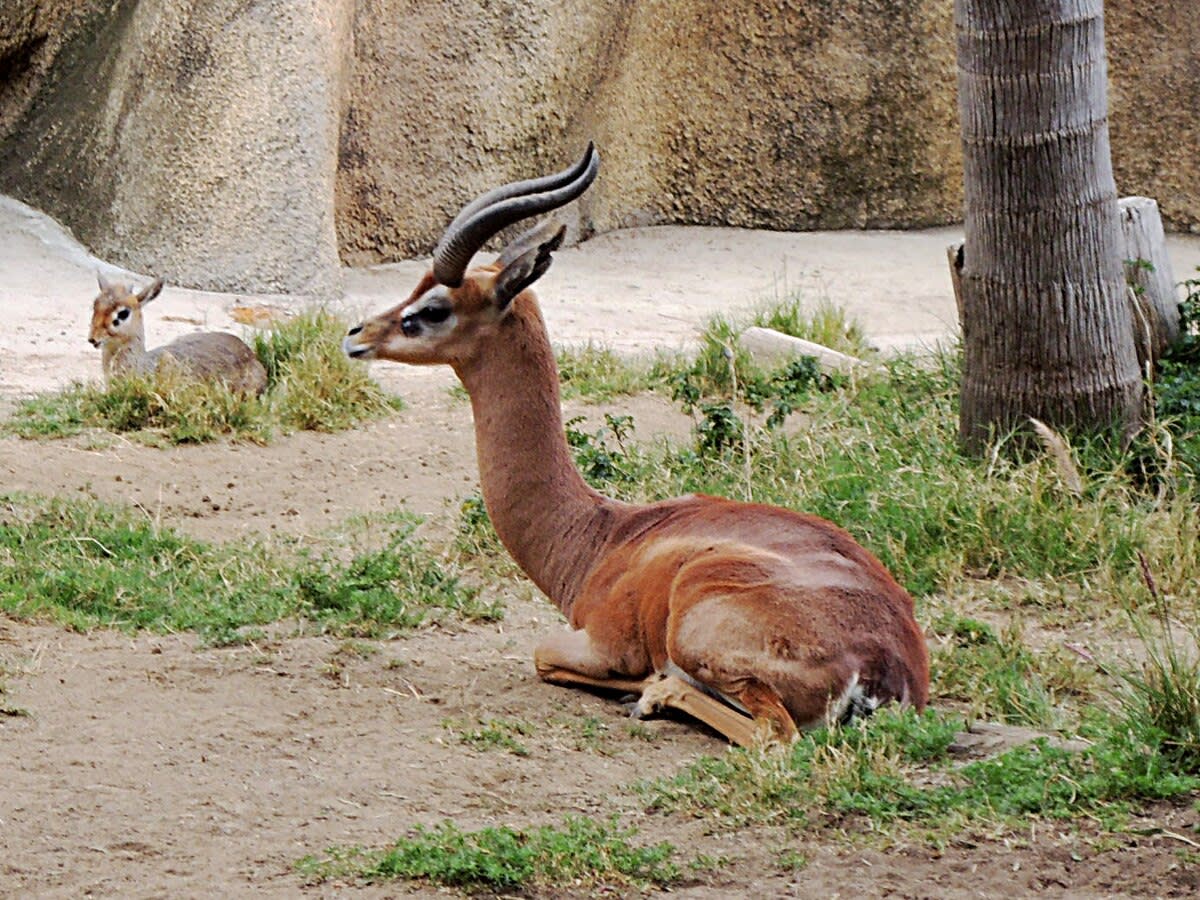
Samburu National Reserve is home to exceptional wildlife diversity, particularly species adapted to northern Kenya's semi-arid environment. You'll encounter the famous 'Samburu Special Five'—rare northern species found nowhere else in Kenya's major parks: Grevy's zebra, reticulated giraffe, Somali ostrich, beisa oryx, and the gerenuk (known as the 'giraffe antelope'). Beyond these iconic species, Samburu has strong populations of elephants, lions, and leopards. The reserve is also a birdwatcher's paradise with over 450 bird species recorded. The combination of these unique species and the rugged, semi-arid landscape makes Samburu one of Kenya's most distinctive safari destinations.
Yes, Samburu National Reserve is significantly less crowded than the Masai Mara, making it an excellent choice for travelers seeking a more authentic, intimate safari experience. While the Masai Mara attracts large numbers of visitors year-round, Samburu remains relatively wild and undiscovered. The reserve's location in northern Kenya and its semi-arid terrain mean fewer safari vehicles and more opportunities for uninterrupted wildlife encounters. This lower visitor volume also contributes to Samburu's reputation as offering a raw, genuine safari feel that many experienced travelers prefer over busier southern parks.
A 3-day Samburu safari is an ideal duration for experiencing the reserve's unique wildlife and landscape. This timeframe allows you to conduct multiple game drives across different areas of the reserve, increasing your chances of encountering the Samburu Special Five and other wildlife. Three days also provides enough time to appreciate the semi-arid scenery along the Ewaso Nyiro River and adjust to the rhythm of safari wildlife viewing. Longer safaris (4-7 days) would offer additional game drive opportunities and deeper immersion, but 3 days is sufficient for a meaningful Samburu experience.
The best time to visit Samburu National Reserve is during the dry seasons: June to October and January to February. During these periods, wildlife congregates around water sources, particularly the Ewaso Nyiro River, making animals easier to spot during game drives. The dry season also means more comfortable travel conditions and clearer skies for wildlife photography. The wet seasons (March to May and November to December) are less ideal due to muddy roads and reduced visibility, though the landscape becomes lush and birdlife is particularly active. Always check current conditions before booking, as weather patterns can vary.
The 'Samburu Special Five' refers to five rare northern species endemic to or predominantly found in Samburu National Reserve: Grevy's zebra (distinguished by narrow stripes), reticulated giraffe (with intricate geometric patterns), Somali ostrich, beisa oryx (a desert-adapted antelope), and the gerenuk or 'giraffe antelope' (known for standing on hind legs to browse trees). These species are uniquely adapted to the semi-arid, rugged environment of northern Kenya and are rarely encountered in other major Kenyan parks like the Masai Mara or Serengeti. Seeing all five is considered a special achievement for safari enthusiasts, making Samburu a bucket-list destination for wildlife lovers seeking species diversity beyond typical safari circuits.
For a Samburu safari, pack lightweight, neutral-colored clothing (khaki, tan, green) suitable for warm days and cool evenings. Bring a wide-brimmed hat, sunglasses, and high-SPF sunscreen—the semi-arid landscape offers minimal shade. Pack a light sweater or fleece for early morning and evening game drives, which can be cool. Sturdy, closed-toe hiking boots are essential for the rugged terrain. Include binoculars for wildlife viewing, a camera with extra batteries and memory cards, and any necessary medications. Don't forget insect repellent and a reusable water bottle (bottled water is provided during game drives). Avoid bright colors or patterns that might startle wildlife. Check with your operator about specific recommendations based on the season of your visit.
Visa requirements for Kenya depend on your nationality. Many countries' citizens can obtain a visa on arrival or apply for an e-visa online before travel, while some nationalities may qualify for visa-free entry for short stays. It's essential to check the current requirements with the Kenyan immigration authority or your nearest Kenyan embassy well before your trip, as regulations can change. Most travelers should apply for their visa at least 2-4 weeks before departure. Additionally, ensure your passport is valid for at least six months beyond your travel dates. Travel insurance covering medical emergencies is also highly recommended for safari travel.
A typical Samburu safari package includes comprehensive services designed for a hassle-free experience. Standard inclusions are park entrance fees, accommodation as specified in your itinerary, meals according to your schedule, a private 4x4 safari vehicle for game drives, a professional English-speaking guide, and bottled water during game drives. These inclusions ensure you have transportation, expert wildlife interpretation, lodging, and sustenance throughout your safari. However, items typically not included are international airfare, visa fees, tips and gratuities for guides and staff, optional activities beyond the standard itinerary, alcoholic beverages, and travel insurance. It's important to clarify exactly what's included with your operator and budget separately for excluded items.
Samburu National Reserve is an exceptional birdwatching destination with over 450 recorded bird species, making it one of Kenya's premier locations for avian enthusiasts. The reserve's diverse habitats—from the Ewaso Nyiro River to semi-arid scrubland—support a wide variety of species, including both resident birds and seasonal migrants. Birdwatchers can expect to encounter eagles, vultures, kingfishers, herons, and numerous smaller species adapted to arid environments. The best birdwatching occurs during early morning game drives when birds are most active. Whether you're a serious birder or a casual enthusiast, Samburu's avian diversity adds another rewarding dimension to your safari experience.
Samburu National Reserve offers a raw, authentic safari experience due to several factors. First, its location in northern Kenya's semi-arid landscape is distinctly different from the rolling grasslands of the Masai Mara or Serengeti—the terrain is rugged, dramatic, and less developed. Second, the reserve attracts fewer visitors than major southern parks, meaning less infrastructure, fewer safari vehicles, and more genuine wildlife encounters without crowds. Third, the wildlife is uniquely adapted to harsh northern conditions, creating a sense of encountering animals in their true, unmodified habitat. Finally, the presence of rare 'Samburu Special Five' species found nowhere else creates an exclusive, off-the-beaten-path feeling that appeals to experienced travelers seeking deeper safari immersion rather than conventional park experiences.
 Tukutane Kenya SafarisNairobi, Kenya4.8(13 reviews)
© 2026 SafariFind. All rights reserved.