 1 / 9
1 / 9 3 daysprivate
3-Day Tanzania Wildlife Private Safari: Serengeti & Ngorongoro Crater
byAquiline SafarisTrusted
Instant Booking
Loading SafariFind...
1 / 9byAquiline SafarisTrusted
Arusha – Serengeti National Park
Meals: Lunch, Dinner
Serengeti – Ngorongoro Highlands – Karatu
Meals: Breakfast, Lunch, Dinner
Ngorongoro Crater – Arusha
Ngorongoro Crater
Meals: Breakfast, Lunch
Year Round
Year-round
| Season | Solo traveler | 2 people | 3 – 4 people | 5 – 6 people | 7+ people | Child rate | Single suppl. |
|---|---|---|---|---|---|---|---|
Year Round Year-round | $2,160 | $1,540 | $1,460 | $1,390 | $1,540 | $1,080 | $460 |
Child rate applies to travelers under 12 years. Single supplement applies to solo travelers taking their own room.
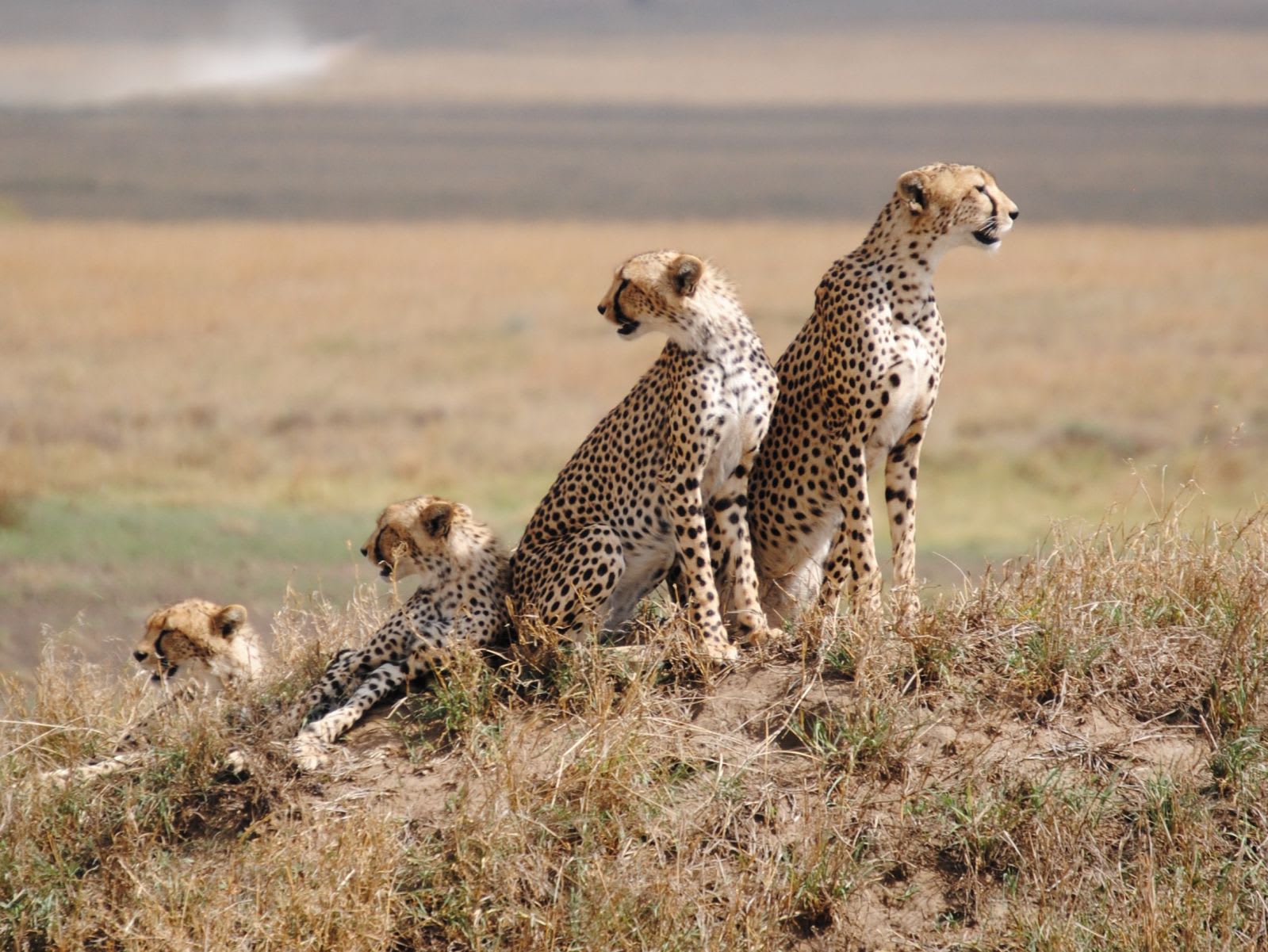
The Serengeti is home to one of the world's most diverse wildlife populations. You can expect to see the Big Five (lions, leopards, elephants, buffalo, and rhinoceros), along with zebras, wildebeest, giraffes, hyenas, cheetahs, and numerous antelope species. The park is also renowned for its birdlife, with over 500 bird species recorded. Wildlife viewing varies seasonally—during the dry season (June to October), animals concentrate around water sources, offering excellent sighting opportunities. The wet season (November to May) brings lush vegetation and offers different wildlife viewing experiences, including predator-prey interactions and calving season.
The best time to visit is during the dry seasons: June to October and January to February. These months offer the clearest skies, most comfortable temperatures, and optimal wildlife viewing as animals gather around remaining water sources. June to October is particularly recommended if you want to witness the Great Migration, when massive herds of wildebeest and zebras move across the Serengeti plains. The wet season (November to May) is less crowded, features dramatic skies, and offers lush landscapes, though some roads may be challenging and wildlife is more dispersed. December to February brings the short rains and is excellent for bird watching and photography.
Pack light, neutral-colored clothing in layers, as mornings and evenings can be cool while days are warm. Essential items include: a wide-brimmed hat, high-SPF sunscreen, insect repellent, comfortable walking shoes, and binoculars for wildlife viewing. Bring a lightweight rain jacket for unexpected showers, even during dry seasons. Pack any personal medications, toiletries, and a good camera with extra batteries and memory cards. Neutral colors (khaki, tan, green) are preferable to bright colors that may disturb wildlife. Consider a small daypack for game drives. Most lodges provide basic amenities, but it's wise to bring personal preferences like specific toiletries or medications. Check with your operator about laundry services, as most accommodations offer daily laundry.
Three days is a solid minimum for a meaningful safari experience that combines two major destinations. A 3-day itinerary allows you to spend quality time in each location while minimizing travel fatigue. With three days, you can typically enjoy multiple game drives in different areas, increasing your chances of diverse wildlife encounters. Many travelers find that three days provides a good balance between experiencing the highlights and maintaining a relaxed pace. However, if you have the time and budget, 5-7 days allows for deeper exploration, more extensive game drives, and better opportunities to witness wildlife behavior and natural interactions. Even a 3-day safari offers excellent value and memorable experiences, especially when visiting renowned parks like the Serengeti and Ngorongoro Crater.
A private safari vehicle offers several advantages. You have exclusive access to your guide and vehicle, allowing for flexible game drive schedules, personalized pacing, and the ability to stop longer at wildlife sightings without compromising other passengers' experiences. Private vehicles enable more intimate photography opportunities and the chance to ask your guide detailed questions without time pressure. You'll also enjoy greater comfort, privacy, and the ability to tailor the experience to your interests and physical capabilities. While private safaris typically cost more than shared group tours, many travelers find the personalized service, flexibility, and enhanced wildlife viewing opportunities justify the investment. For couples, families, or small groups, a private safari often provides better value per person while delivering a more customized experience.
The Ngorongoro Crater is a UNESCO World Heritage Site and one of the world's largest intact volcanic calderas. Formed approximately 2.5 million years ago, this natural wonder spans 8,292 square kilometers and descends about 610 meters below the surrounding rim. What makes it exceptional for safari is that it functions as a self-contained ecosystem with a permanent population of wildlife including lions, elephants, buffalo, zebras, hyenas, and numerous bird species. The crater's enclosed environment concentrates wildlife, making it one of the most reliable places in Africa to see diverse animals in a single location. The dramatic landscape offers spectacular photography opportunities, and the crater floor features lakes, grasslands, and forests that support varied habitats. The combination of accessibility, wildlife density, and stunning scenery makes the Ngorongoro Crater an unforgettable safari destination.
Visa requirements for Tanzania depend on your nationality. Many countries' citizens can obtain a visa on arrival at Tanzanian airports or apply for an e-visa online before travel. However, requirements vary significantly by country, and regulations can change. It's essential to check the official Tanzanian immigration website or contact your nearest Tanzanian embassy or consulate well in advance of your trip to confirm current requirements for your specific nationality. Most safari operators can provide guidance on visa procedures, but the responsibility for obtaining necessary travel documents rests with you. Additionally, ensure your passport is valid for at least six months beyond your intended stay. Processing times can vary, so apply early if you require a visa in advance. Some countries may have reciprocal visa agreements or visa exemptions, so individual verification is crucial.
While specific vaccination requirements depend on your medical history and nationality, certain vaccinations are commonly recommended for Tanzania. Yellow fever vaccination is frequently advised, and some countries require proof of yellow fever vaccination for entry if you're arriving from Tanzania. Malaria prophylaxis is typically recommended, particularly for lower-altitude areas and during rainy seasons. Consult with a travel medicine specialist or your healthcare provider at least 4-6 weeks before your trip to receive personalized recommendations based on your health status, vaccination history, and the specific regions you'll visit. They can advise on vaccinations for diseases like typhoid, hepatitis A and B, and tetanus. Additionally, discuss malaria prevention strategies, as the Serengeti and Ngorongoro regions are in malaria-endemic areas. Your doctor may recommend antimalarial medications alongside other preventive measures like insect repellent and protective clothing. Travel insurance that covers medical emergencies is also highly recommended.
Safari game drives are generally low-impact activities suitable for most fitness levels. You'll be seated in a comfortable 4x4 vehicle for extended periods, typically 4-6 hours daily split between morning and afternoon drives. The main physical demands are sitting for prolonged periods and tolerating vehicle movement over sometimes bumpy terrain. Most safari vehicles have good suspension to minimize discomfort. If you have mobility issues, back problems, or other physical limitations, inform your operator in advance so they can arrange appropriate seating or adjust your itinerary. Walking is minimal during game drives, though some operators offer optional walking safaris with your guide. The altitude in areas like the Ngorongoro Crater (around 2,286 meters) may affect those sensitive to elevation, but most people acclimate quickly. Travelers of various ages and fitness levels regularly enjoy safaris. If you have specific health concerns, discuss them with your safari operator and healthcare provider to ensure a comfortable experience.
An all-inclusive safari package typically covers park entrance fees, accommodation, meals (breakfast, lunch, and dinner), transportation in a private 4x4 vehicle, a professional guide, game drives, and airport transfers. Most packages also include bottled water during game drives and government taxes. However, several costs are usually not included: international airfare, travel insurance, visa fees, alcoholic beverages beyond what's provided, tips and gratuities for guides and staff (typically 10-15% of the tour cost), personal expenses like souvenirs or laundry, and optional activities such as hot air balloon rides or cultural visits. Health-related costs like vaccinations and antimalarial medications are your responsibility. Some operators offer optional add-ons like photography guides or extended activities at additional cost. It's essential to clarify exactly what's included in your quoted price before booking and budget for these extras. Travel insurance is highly recommended and should be purchased separately. Asking your operator for a detailed breakdown of inclusions and exclusions helps you plan your total budget accurately.
© 2026 SafariFind. All rights reserved.
