 1 / 7
1 / 7 3 daysprivate
3-Day 3-Day TARANGIRE & NGORONGORO
Highlights
- Big five game drive
Loading SafariFind...
1 / 7arrive to arusha transfer to Tarangire national park
Tarangire National Park
Meals: Lunch, Dinner
Early morning drive from marera lodge to the ngoromgoro creater
Ngorongoro Crater
Meals: Breakfast, Lunch, Dinner
late check out at marera lodge maasai visit and drive to arusha
Arusha Airport
Meals: Breakfast, Lunch
Year Round
Year-round
| Season | Solo traveler | 2 people | 3 – 4 people | 5 – 6 people | 7+ people | Child rate | Single suppl. |
|---|---|---|---|---|---|---|---|
Year Round Year-round | $2,060 | $1,380 | $1,310 | $1,270 | $1,170 | $960 | $410 |
Child rate applies to travelers under 12 years. Single supplement applies to solo travelers taking their own room.
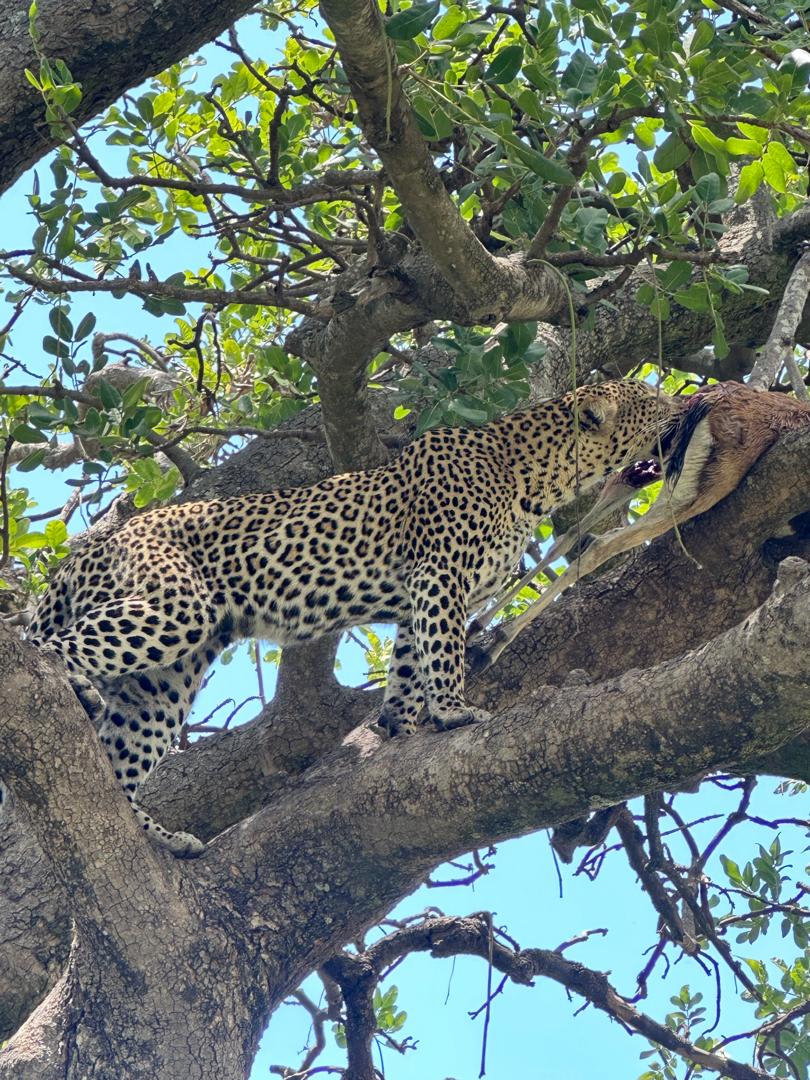
Tarangire National Park is renowned as one of Tanzania's premier wildlife destinations, offering excellent opportunities to spot a diverse range of animals. You can expect to see large elephant herds, zebras, wildebeest, giraffes, buffalo, and various antelope species. The park is also home to predators including lions, leopards, and African wild dogs. Tarangire is particularly famous for its seasonal elephant concentrations, especially during the dry season when animals gather around the Tarangire River. Birdwatchers will appreciate the park's over 500 bird species, making it one of Tanzania's most bird-rich areas.
Ngorongoro Crater is one of Africa's most iconic natural wonders and a UNESCO World Heritage Site. The crater floor is a self-contained ecosystem spanning approximately 260 square kilometers, home to an estimated 25,000 large animals. The crater is particularly renowned as one of the world's best places to spot black rhinos, which are endangered and rarely seen in other African reserves. The concentrated wildlife populations within the crater's walls—including lions, elephants, zebras, and buffalo—make for exceptional game viewing opportunities. The dramatic landscape and diverse habitats within the crater create an unforgettable safari experience unlike anywhere else in Africa.
The Tarangire and Ngorongoro region is home to exceptional elephant populations. Tarangire National Park alone hosts one of Tanzania's largest elephant concentrations, with herds that can number in the thousands, particularly during the dry season when elephants migrate to the river. The Ngorongoro Crater and surrounding conservation area are also significant elephant habitats. Combined, this region is estimated to support between 3,000 to 4,000 elephants, making it truly a world-class destination for observing these magnificent creatures in their natural habitat. The best time to see large elephant herds is typically during the dry season from June to October.
The best time to visit Tarangire National Park and Ngorongoro Crater depends on your wildlife viewing preferences. The dry season from June to October offers the best game viewing, as animals concentrate around water sources, making them easier to spot. During this period, the weather is cooler and rainfall is minimal, ideal for safari activities. The wet season from November to May brings lush green landscapes and excellent birdwatching opportunities, though wildlife viewing can be more challenging as animals disperse across the landscape. The shoulder months of April-May and October-November offer a good balance of wildlife viewing and fewer tourists. Consider visiting during the dry season if spotting the maximum variety of animals, including the famous black rhinos of Ngorongoro, is your priority.
For a 3-day safari in Tanzania, pack lightweight, neutral-colored clothing suitable for warm days and cool mornings and evenings—layers are essential. Include long-sleeved shirts and long pants for sun protection and insect protection. Bring a warm fleece or jacket for early morning game drives when temperatures can drop significantly. Pack sturdy, closed-toe hiking boots or safari shoes with good grip, a wide-brimmed hat, and high SPF sunscreen. Don't forget binoculars for wildlife viewing, a camera with extra batteries and memory cards, and any personal medications. Insect repellent is recommended, particularly for areas with mosquitoes. Bring a small daypack for game drives and remember that water and soft drinks are typically provided during safari activities. A headlamp or flashlight can be useful for evening activities.
Before traveling to Tanzania for a safari, it's advisable to consult with a travel health clinic at least 4-6 weeks before your trip. Yellow fever vaccination is recommended and may be required depending on your origin country. Malaria prophylaxis is typically recommended for the Tarangire and Ngorongoro regions, particularly during the wet season. Ensure your routine vaccinations (measles, mumps, rubella, tetanus, etc.) are up to date. Practice good hygiene, use insect repellent containing DEET, and wear long sleeves and pants during dawn and dusk to minimize mosquito exposure. Drink only bottled or purified water and avoid raw or undercooked foods. Travel insurance that covers medical evacuation is highly recommended. For the most current health recommendations, check with your country's health department or the CDC before your trip.
A comprehensive 3-day safari package to Tarangire and Ngorongoro typically includes all ground transportation and transfers between locations, accommodation at safari lodges, daily game drives with experienced guides, and meals at your lodge. Most packages provide complimentary water and soft drinks during activities to keep you hydrated in the African heat. All applicable taxes are usually included in the quoted price, ensuring transparency in your booking. Exclusions typically include tips for safari guides and lodge staff (which are appreciated but not mandatory), personal shopping, and any activities outside the standard itinerary. It's important to clarify exactly what's included in your specific package, as offerings can vary between operators. Some premium packages may include premium beverages, laundry services, or special experiences like Maasai cultural visits.
The drive from Arusha to Tarangire National Park typically takes approximately 2 to 2.5 hours, depending on road conditions and traffic. Arusha serves as the main hub for northern Tanzania safaris and is the starting point for most safari itineraries in the region. The journey offers scenic views of the Tanzanian landscape and is usually completed in a comfortable safari vehicle. Your driver will handle all transportation logistics, allowing you to relax and begin observing the landscape. If you're arriving at Kilimanjaro International Airport, which serves Arusha, transfers to Tarangire can be arranged as part of your safari package, typically taking 2.5 to 3 hours depending on your exact starting point.
Yes, cultural visits to Maasai communities are a popular and enriching addition to safaris in northern Tanzania. The Maasai are the indigenous people of the region surrounding Ngorongoro Crater and Tarangire, and many safari operators offer organized visits to Maasai villages where you can learn about their traditional way of life, customs, and culture. These visits typically include interactions with community members, opportunities to see traditional Maasai homes (bomas), and often include traditional dances and crafts. Such cultural experiences provide valuable context to your safari and support local communities through tourism revenue. Many 3-day itineraries include a Maasai visit as part of the experience, particularly on the final day before returning to Arusha. Always ensure that visits are conducted respectfully and that proceeds benefit the communities themselves.
Tarangire National Park and Ngorongoro Crater each offer distinct safari experiences. Tarangire is a vast national park known for its expansive landscapes, large elephant herds, and diverse wildlife spread across varied habitats including woodlands and grasslands. The park offers traditional safari game drives where you explore different areas in search of wildlife, with viewing experiences that depend on animal movements and seasonal patterns. Ngorongoro Crater, by contrast, is a unique enclosed ecosystem where wildlife is concentrated within the crater floor, making it easier to spot animals in a more compact area. Ngorongoro is particularly famous for black rhino sightings and offers dramatic scenic views of the crater walls. While Tarangire provides a classic African safari experience with vast horizons and varied landscapes, Ngorongoro offers a more intimate, concentrated wildlife viewing experience in one of the world's most remarkable geological formations. Combining both destinations, as most 3-day itineraries do, provides the best of both experiences.
 Safari Expert TanzaniaMoshi, Tanzania
© 2026 SafariFind. All rights reserved.