 1 / 3
1 / 3 3 daysprivate
3-Day the Ultimate Big Five Experience
Highlights
- Thrilling Big Five game drives in the Maasai Mara
- Expert tracking led by professional, local safari guides
Loading SafariFind...
1 / 3Day 1: Nairobi to Maasai Mara National Reserve
Nairobi
Meals: Dinner
Day 2: Full Day Exploration of Maasai Mara
Maasai Mara National Reserve
Meals: Breakfast, Lunch, Dinner
Day 3: Maasai Mara to Nairobi
Maasai Mara National Reserve
Meals: Breakfast
High Season
Jun 2026 – Oct 2026
Low Season
Nov 2026 – May 2027
| Season | Solo traveler | 2 people | 3 – 4 people | 5 – 6 people | 7+ people | Child rate | Single suppl. |
|---|---|---|---|---|---|---|---|
High Season Jun 2026 – Oct 2026 | $2,370 | $1,580 | $1,420 | $1,340 | $1,270 | $1,110 | $470 |
Low Season Nov 2026 – May 2027 | $2,250 |
Child rate applies to travelers under 12 years. Single supplement applies to solo travelers taking their own room.
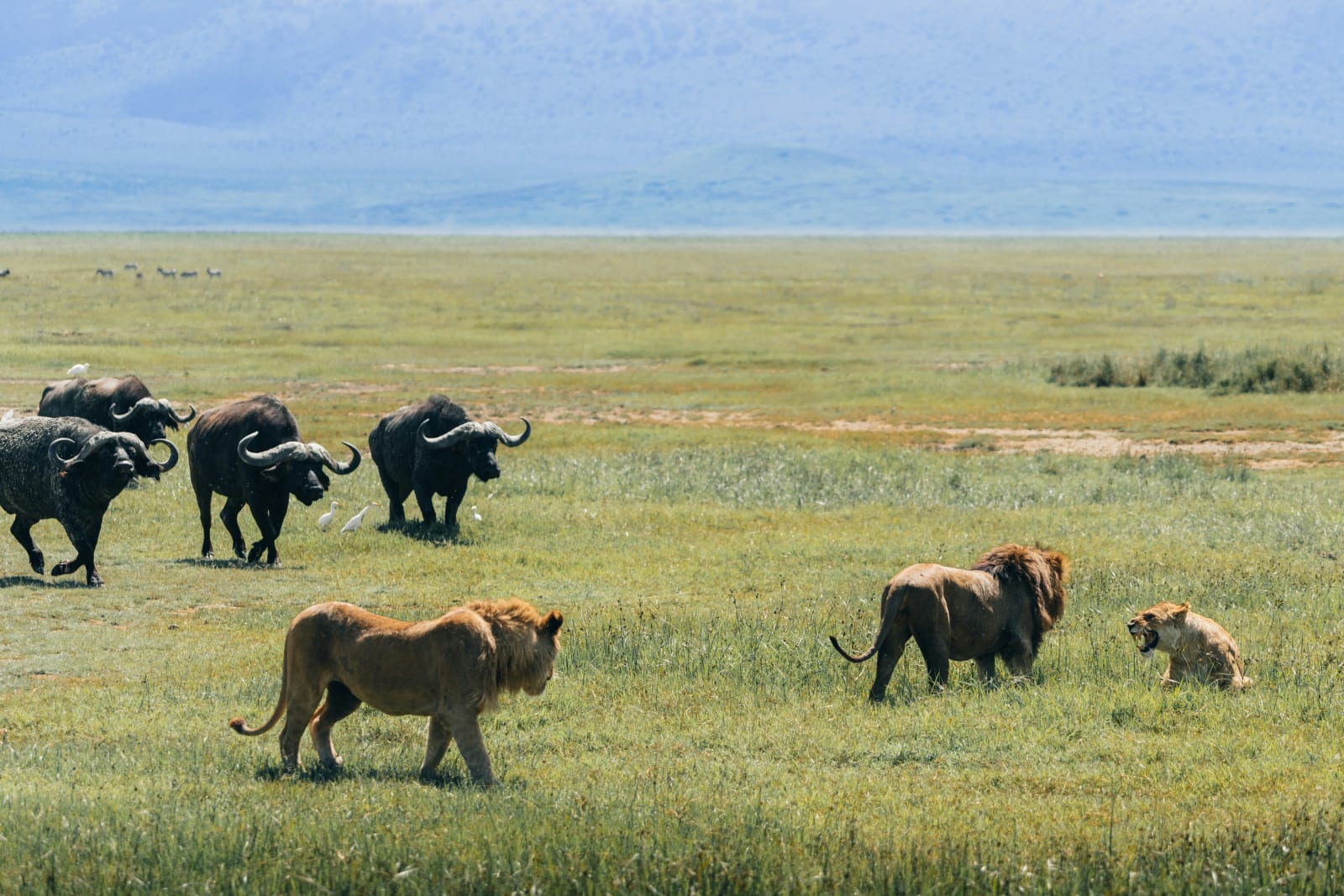
The Masai Mara is home to an incredible diversity of wildlife, most famously the Big Five: lions, elephants, buffalo, leopards, and rhinoceros. Beyond these iconic species, you'll encounter zebras, giraffes, wildebeest, antelopes, hyenas, cheetahs, and numerous bird species. The reserve's varied ecosystems—from grasslands to riverine forests—support over 95 large mammal species and 400+ bird species. During game drives, your professional guide will use their expertise to track and locate these animals, maximizing your chances of memorable encounters throughout the day.
The Masai Mara offers excellent wildlife viewing year-round, but the best periods are July to October and December to March. July to October coincides with the Great Migration, when massive herds of wildebeest and zebras move through the reserve, creating dramatic predator-prey interactions. December to March features calving season with newborn animals and concentrated wildlife around water sources due to the dry season. The dry seasons generally offer better game viewing as animals congregate near remaining water sources and vegetation is less dense, making wildlife easier to spot during game drives.
A 3-day safari is an ideal introduction to Kenya's wildlife and allows you to experience the Masai Mara's most iconic attractions. This duration provides sufficient time for multiple game drives to increase wildlife sightings, acclimatize to the pace of safari, and enjoy the landscape without excessive travel. Three days typically includes two full days of exploration plus travel days, giving you quality time in the reserve. Many travelers find this length strikes the perfect balance between experiencing authentic safari adventure and managing time and budget constraints. For more extensive exploration, 5-7 day safaris allow deeper immersion and visits to multiple reserves.
For a Masai Mara safari, pack neutral-colored clothing in earth tones (khaki, tan, green, brown) to blend with the landscape and avoid startling wildlife. Bring lightweight, breathable fabrics for warm days and a warm layer for cool mornings and evenings. Essential items include a wide-brimmed hat, sunglasses, high-SPF sunscreen, insect repellent, and binoculars for wildlife viewing. Sturdy, closed-toe hiking boots are important for uneven terrain. Don't forget a camera with a good zoom lens, medications, toiletries, and a reusable water bottle. Pack minimally as luggage space in safari vehicles is limited. Avoid bright colors, perfumes, and strongly scented products that may disturb wildlife or attract insects.
Visa requirements for Kenya depend on your nationality. Most visitors require a visa, which can be obtained on arrival, through an e-visa online, or at a Kenyan embassy before travel. The process is straightforward for most nationalities, though processing times and fees vary. Citizens of certain African nations and a few other countries may be exempt. It's essential to check the current requirements with the Kenyan immigration authority or your nearest Kenyan embassy well before your trip, as regulations can change. Ensure your passport is valid for at least six months beyond your travel dates, as this is a standard requirement for entry.
Yes, malaria is present in the Masai Mara region, so precautions are recommended. Consult with a travel health clinic or your doctor at least 4-6 weeks before travel to discuss malaria prophylaxis options suitable for your health profile. Antimalarial medications, combined with preventive measures, significantly reduce risk. Additional precautions include using insect repellent with DEET, wearing long sleeves and pants during dawn and dusk when mosquitoes are most active, and sleeping under mosquito nets in accommodations. Most safari lodges, including mid-range properties, have screened rooms and mosquito nets. While malaria risk exists, thousands of travelers visit the Masai Mara safely each year by following recommended health protocols.
A 3-day Masai Mara safari package typically ranges from $1,200 to $3,500 per person, depending on accommodation level, season, and what's included. Mid-range luxury options, which offer comfortable lodging and excellent service without premium pricing, generally fall in the $1,500 to $2,200 range per person. Budget safaris may cost less, while luxury lodges can exceed $4,000 per person. Most packages include accommodation, meals, park fees, game drives, and professional guides, which represents significant value. Costs vary by season, with peak migration periods (July-October) commanding higher prices than shoulder seasons. International flights to Kenya are additional and represent a major expense, so factor these into your overall budget planning.
A comprehensive safari package typically includes national park entrance fees, accommodation at a selected lodge or camp, all meals (breakfast, lunch, and dinner), transportation in a private 4x4 safari vehicle, and the services of a professional, English-speaking guide. Most packages also provide bottled water during game drives to keep you hydrated throughout the day. Some packages may include additional amenities like Wi-Fi, laundry services, or evening entertainment. However, packages usually exclude international flights, alcoholic beverages, tips and gratuities for staff, personal expenses, travel insurance, visa fees, and optional activities like hot air balloon rides or cultural visits. Always review the specific inclusions and exclusions of your chosen package to understand exactly what you're paying for.
Yes, seeing the Big Five (lion, elephant, buffalo, leopard, and rhinoceros) on a 3-day safari is quite possible, though not guaranteed—wildlife sightings depend on animal behavior, season, and location. The Masai Mara has healthy populations of all five species, and professional guides use their extensive knowledge to maximize sighting chances through strategic route planning and animal tracking. Many visitors do spot all five during a 3-day visit, while others may see four or fewer. The best strategy is to participate in multiple game drives, including early morning drives when animals are most active. Patience, flexibility, and realistic expectations enhance the experience—even if you don't see all five, the Masai Mara offers extraordinary wildlife encounters that make for an unforgettable safari.
The Great Rift Valley is a massive geological depression stretching over 4,000 miles through East Africa, formed by tectonic plate movements. In Kenya, it creates dramatic landscapes with escarpments, volcanic formations, and diverse ecosystems. The valley is crucial for safari travel because its varied terrain—including highlands, lakes, and grasslands—supports distinct wildlife populations and creates scenic routes between major reserves. The journey through the Great Rift Valley to the Masai Mara offers travelers stunning panoramic views and glimpses of different habitats and wildlife. The valley's geological features and biodiversity make it an integral part of the Kenya safari experience, providing both visual spectacle and ecological significance that enhances understanding of East Africa's natural heritage.
A game drive is the primary safari activity—a guided tour in a 4x4 vehicle through wildlife reserves to observe and photograph animals in their natural habitat. Game drives typically occur during early morning and late afternoon when animals are most active. Other safari activities include walking safaris (guided hikes for closer nature immersion), hot air balloon safaris (aerial views of wildlife and landscapes), cultural visits to Maasai villages, and bird watching expeditions. Most safari packages focus on game drives as the core experience because they cover large areas efficiently, provide comfort, and maximize wildlife viewing opportunities. Game drives are ideal for all fitness levels and ages, making them the most accessible way to experience African wildlife. Many travelers combine game drives with optional activities for a more diverse safari experience.
© 2026 SafariFind. All rights reserved.
| $1,500 |
| $1,350 |
| $1,280 |
| $1,200 |
| $1,110 |
| $470 |
