 1 / 41 / 4
Loading SafariFind...
1 / 4Arrival in Arusha
Arusha
Meals: Dinner
Arusha – Tarangire National Park
Tarangire National Park
Meals: Breakfast, Lunch, Dinner
Tarangire – Central Serengeti National Park
Serengeti National Park
Meals: Breakfast, Lunch, Dinner
Full-Day Safari in Central Serengeti
Serengeti National Park
Meals: Breakfast, Lunch, Dinner
Central Serengeti – Northern Serengeti
Serengeti National Park
Meals: Breakfast, Lunch, Dinner
Full-Day Mara River Crossing Safari
Mara River
Meals: Breakfast, Lunch, Dinner
Northern Serengeti – Ngorongoro Conservation Area
Ngorongoro Crater
Meals: Breakfast, Lunch, Dinner
Ngorongoro Crater – Arusha – Flight to Zanzibar
Zanzibar Island
Meals: Breakfast, Lunch, Dinner
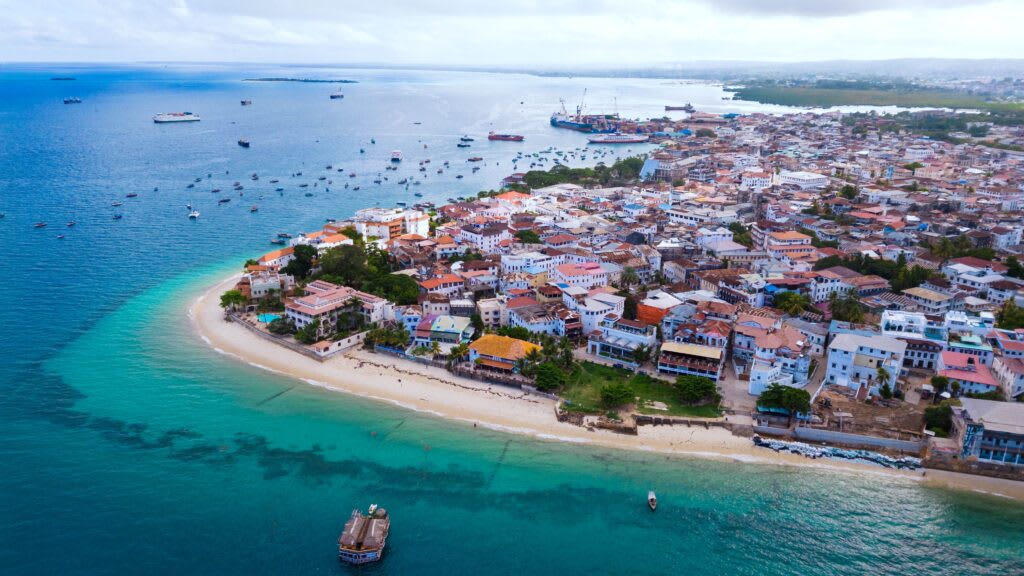
Zanzibar Beach Relaxation
Zanzibar Island
Meals: Breakfast, Lunch, Dinner
Explore Zanzibar
Zanzibar Island
Meals: Breakfast, Lunch, Dinner
Zanzibar Leisure Day
Zanzibar Island
Meals: Breakfast, Lunch, Dinner
Departure
Arusha
Meals: Breakfast
Year Round
Year-round
| Season | 2 people |
|---|---|
Year Round Year-round | $5,250 |
The Serengeti is home to one of the largest concentrations of wildlife in Africa. You can expect to see the Big Five—lions, leopards, elephants, buffalo, and rhinoceros—along with zebras, wildebeest, giraffes, antelopes, hyenas, and numerous bird species. The park's diverse ecosystems support over 1.5 million large mammals. During the Great Migration season (July to October), you'll witness massive herds of wildebeest and zebras moving across the plains in search of fresh grazing lands, creating dramatic predator-prey interactions throughout the landscape.
The dramatic Mara River crossings typically occur between July and October, during the Great Migration season. During these months, hundreds of thousands of wildebeest and zebras attempt to cross crocodile-infested rivers while predators like lions and hyenas wait nearby. The exact timing varies slightly year to year depending on rainfall and grass conditions, but late July through September generally offers the highest concentration of river crossing events. This period is considered the peak time for witnessing this spectacular natural phenomenon.
The Ngorongoro Crater is the world's largest intact volcanic caldera and a UNESCO World Heritage Site located in northern Tanzania. It's a natural wonder that descends about 600 meters and covers approximately 8,300 square kilometers at its base. What makes it exceptional for wildlife viewing is its remarkable animal density—the crater floor supports an estimated 25,000 large mammals year-round, including lions, elephants, buffalo, zebras, and the endangered black rhino. The crater's enclosed ecosystem creates a self-contained wildlife sanctuary where animals have limited migration routes, increasing your chances of seeing diverse species during a single game drive.
To properly experience the Great Migration and increase your chances of witnessing the dramatic river crossings, plan for at least 4-5 days in the Serengeti during migration season (July to October). This timeframe allows you to explore multiple sections of the park—Central and Northern Serengeti—where different migration events occur at different times. A longer safari of 6-8 days in the Serengeti region provides even better opportunities to witness multiple crossings and observe the vast herds moving across the plains. Keep in mind that wildlife viewing is never guaranteed, so flexibility and patience are essential.
For your safari portion, pack neutral-colored, lightweight clothing (khaki, tan, green, and brown) that blends with the landscape and doesn't attract insects. Include long sleeves and pants for sun protection and insect prevention, especially during early morning and evening game drives. Bring a warm layer for cool mornings, comfortable walking shoes, and binoculars for wildlife viewing. Sun protection essentials include sunscreen, a wide-brimmed hat, and sunglasses. For the Zanzibar beach portion, pack light summer clothing, swimwear, reef-safe sunscreen, and casual evening wear. Throughout your trip, bring any personal medications, a basic first-aid kit, and a universal power adapter. Consider a lightweight camera or telephoto lens if you're interested in wildlife photography.
Malaria is present in Tanzania, particularly in lower-altitude areas like the Serengeti and Zanzibar. It's important to consult with a travel health clinic or your doctor at least 4-6 weeks before your trip to discuss malaria prophylaxis options. In addition to antimalarial medication, take preventive measures including using insect repellent with DEET, wearing long sleeves and pants during dawn and dusk when mosquitoes are most active, and sleeping under mosquito nets in your accommodation. Zanzibar, being a coastal island, may have different malaria risk levels than inland areas. Always check current health advisories from your government's travel health authority before departure, as conditions and recommendations can change.
Most comprehensive Tanzania safari packages include park entrance fees, accommodations throughout your stay, all meals (breakfast, lunch, and dinner), transportation in a private 4x4 safari vehicle with a professional guide, bottled water during game drives, and airport transfers. Many packages also cover government taxes and VAT. However, international airfare, travel insurance, visa fees, alcoholic beverages, tips and gratuities, and optional activities like hot air balloon rides or cultural visits are typically not included. It's important to review your specific package details carefully and ask your tour operator for a complete breakdown of what's covered to avoid unexpected costs.
Absolutely! Tanzania offers the perfect combination of world-class safari experiences and pristine beach relaxation. After spending several days exploring the wildlife-rich parks of northern Tanzania—including the Serengeti, Ngorongoro Crater, and Tarangire—you can fly to Zanzibar, an idyllic Indian Ocean island known for its white-sand beaches and crystal-clear waters. Zanzibar provides an ideal contrast to the safari portion, offering opportunities to unwind, swim, snorkel, dive, or explore the island's rich cultural heritage through visits to Stone Town and spice plantations. This combination allows you to experience the best of Tanzania in a single trip, appealing to both adventure seekers and those looking for relaxation.
Visa requirements for Tanzania depend on your nationality. Many countries' citizens can obtain a visa on arrival at Julius Nyerere International Airport in Dar es Salaam or apply for an e-visa before travel through the official Tanzanian immigration website. However, requirements vary significantly by country, and some nationalities may need to apply in advance. It's essential to check the current visa requirements for your specific country at least 2-3 months before your trip by consulting the Tanzanian embassy or official government immigration resources. Ensure your passport is valid for at least six months beyond your intended stay, as this is a standard requirement for entry into Tanzania.
The Serengeti is distinguished by several unique characteristics that set it apart from other African safaris. First, it hosts the world's largest terrestrial mammal migration—the Great Migration—where up to 2 million wildebeest and zebras move across the plains in a dramatic annual cycle. Second, the Serengeti's vast ecosystem spans approximately 30,000 square kilometers with diverse habitats ranging from short-grass plains to acacia woodlands and riverine forests, each supporting different wildlife. Third, the park's exceptional predator-prey dynamics mean you're likely to witness natural hunting behavior and interactions between animals. Finally, the Serengeti's remote, untouched wilderness character and lower tourist density in many areas compared to other East African parks provide a more intimate safari experience. The combination of scale, wildlife diversity, and the Great Migration makes it one of the world's most remarkable natural phenomena.
 Pumba ReisenArusha, Tanzania
© 2026 SafariFind. All rights reserved.