Loading SafariFind...
Arrival at Victoria Falls & Falls Exploration
Victoria Falls
Meals: Dinner
Wildlife Safari Game Drive & Helicopter Flight
Victoria Falls
Meals: Breakfast, Lunch, Dinner
Full Day Safari Adventure & Sunset Boat Cruise
Victoria Falls
Meals: Breakfast, Lunch, Dinner
Departure from Victoria Falls
Victoria Falls
Meals: Breakfast
Year Round
Year-round
| Season | 2 people |
|---|---|
Year Round Year-round | $2,420 |
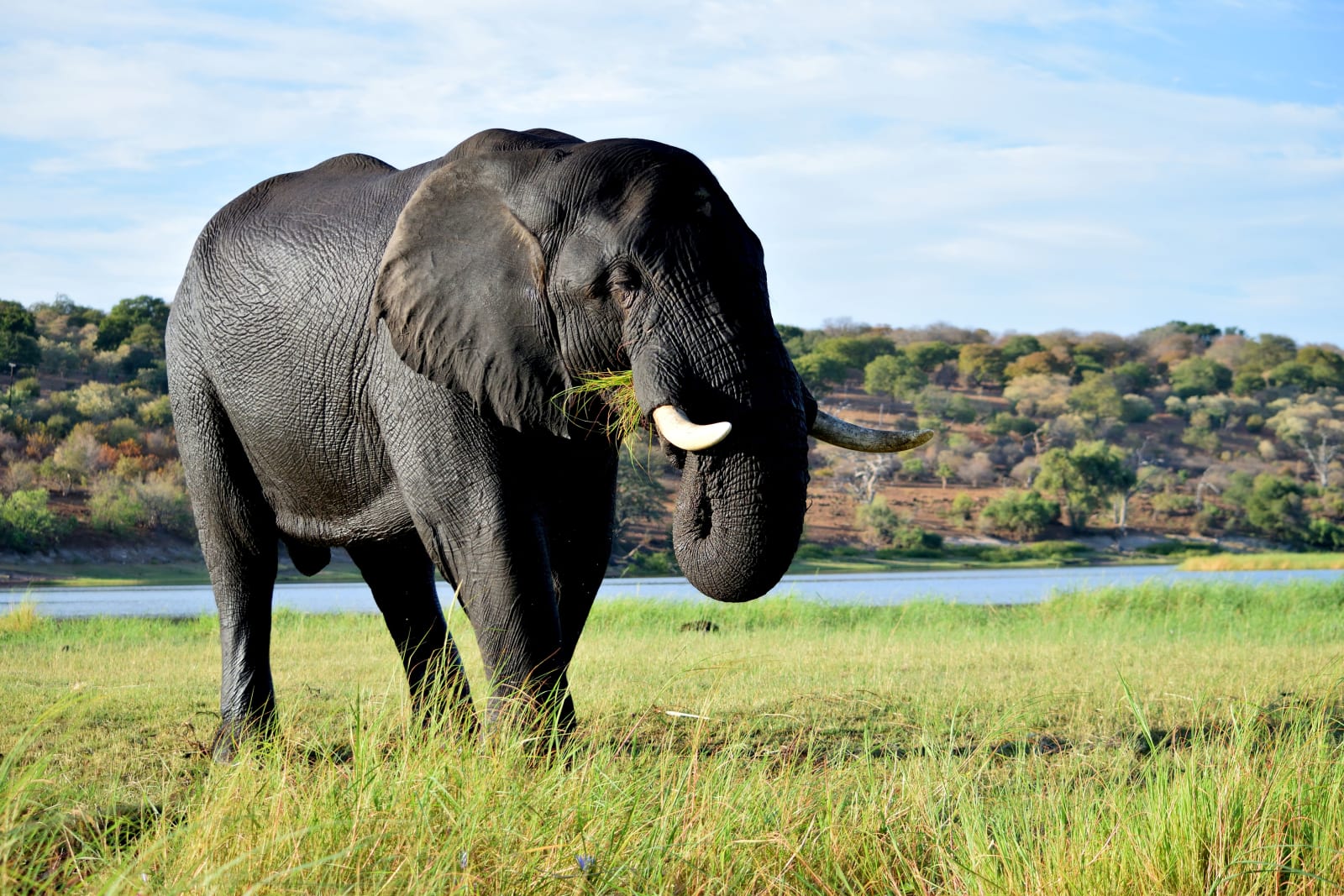
Victoria Falls and its surrounding ecosystems are home to an incredible diversity of wildlife. You can expect to see members of the Big Five—lions, elephants, buffalo, leopards, and rhinoceros—along with zebras, giraffes, hippos, and numerous antelope species. The region is particularly renowned for its birdlife, with over 400 bird species recorded in the area, making it a paradise for bird watchers. The specific animals you encounter depend on the season and the particular reserves or national parks visited during your safari. Experienced guides know the best locations and times of day to maximize your chances of wildlife sightings.
The best time to visit Victoria Falls depends on your priorities. The dry season, running from May to October, offers optimal conditions for wildlife viewing because animals congregate around water sources, making them easier to spot. Temperatures are also comfortable during this period, and skies are generally clear. However, the wet season from November to April transforms the landscape into lush green scenery and is exceptional for birdwatching, with migratory species arriving in large numbers. Some areas may be less accessible during heavy rains, but the dramatic thundering of the falls is most impressive during the wet season when water levels are highest. Consider your wildlife priorities and comfort preferences when choosing your travel dates.
Yes, absolutely. A Victoria Falls safari is an excellent choice for first-time safari travelers. The combination of the iconic natural wonder of the falls with wildlife viewing provides a well-rounded introduction to safari experiences without being overwhelming. The mid-range luxury positioning ensures you have comfortable accommodations and quality amenities while still experiencing authentic African wilderness. Professional English-speaking guides handle all the logistics and provide excellent wildlife education, ensuring your safety and enhancing your understanding of the ecosystem. The four-day duration is ideal for first-timers—long enough to have meaningful wildlife encounters and adjust to the safari rhythm, but not so extended that it becomes physically demanding. Many travelers find this balance makes for a perfect inaugural safari experience.
Four days is an ideal timeframe to experience Victoria Falls comprehensively. This duration allows you to move beyond the typical single-day tourist experience and genuinely immerse yourself in both the natural wonder of the falls and the wildlife ecosystems surrounding them. In four days, you can dedicate time to viewing the falls from multiple vantage points—including sunrise and evening perspectives—while also conducting multiple game drives to increase your wildlife viewing opportunities. This timeframe also provides enough flexibility to adapt to wildlife movements and weather conditions. While shorter visits (1-2 days) allow you to see the falls, a four-day safari gives you the depth of experience that creates lasting memories and meaningful wildlife encounters.
Yes, a professional guide is essential for wildlife viewing at Victoria Falls, and it's included in safari packages for good reason. Experienced guides possess invaluable knowledge about animal behavior, seasonal patterns, and the best locations for specific species. They understand the ecosystems intimately and know where to find wildlife during different times of day and seasons. Beyond wildlife spotting, guides provide crucial safety expertise—essential when in proximity to dangerous animals like lions, elephants, and buffalo. They also enhance your experience tremendously through their storytelling, ecological insights, and ability to interpret animal behavior and tracks. A knowledgeable guide transforms a safari from simple sightseeing into an educational and deeply enriching experience. Most reputable operators, like those offering Victoria Falls safaris, employ professional English-speaking guides trained in both wildlife knowledge and guest safety.
Packing for a Victoria Falls safari requires consideration of both wildlife viewing and the falls' environment. Bring neutral-colored, lightweight clothing for game drives—earth tones like khaki, beige, and olive green help you blend into the landscape and don't startle wildlife. Include long sleeves and pants for sun protection and insect defense. A waterproof jacket is essential, especially if visiting during the wet season or for activities near the falls where mist is significant. Comfortable, sturdy walking shoes and closed-toe safari boots are important for game drives and walking safaris. Don't forget a wide-brimmed hat, sunscreen, and sunglasses. Binoculars are invaluable for bird watching and distant wildlife viewing. Pack a camera with extra batteries and memory cards. Bring any personal medications and a basic first-aid kit. Light layers are useful as mornings and evenings can be cool despite daytime heat. While bottled water is provided during game drives, a reusable water bottle is helpful. Check with your operator for any specific recommendations based on the season of your visit.
Yes, Victoria Falls serves as an excellent gateway for broader Southern African exploration. Its strategic location makes it relatively easy to combine with visits to other regional highlights. You can extend your trip to include Botswana's Okavango Delta, known for its unique water-based safari experiences and exceptional wildlife viewing. Zambia's South Luangwa National Park, famous for walking safaris and pristine wilderness, is also accessible. Zimbabwe's other national parks and reserves can be incorporated for additional wildlife experiences. The proximity to these destinations means you can create multi-country itineraries that provide diverse safari experiences and landscapes. Many travelers use Victoria Falls as either a starting or ending point for longer Southern African journeys. When planning such combinations, consider travel times between destinations, visa requirements for multiple countries, and how different seasons affect accessibility and wildlife viewing in each location. Working with experienced safari operators can help you design an itinerary that maximizes your time and creates a cohesive travel experience.
A Victoria Falls safari involves moderate physical activity that can be adjusted to your fitness level and preferences. Game drives are conducted in a private 4x4 vehicle, which requires minimal physical exertion—you're seated and driven to wildlife viewing locations. However, you'll need to be comfortable sitting for extended periods (typically 2-4 hours per drive) and moving between the vehicle and lodge. Walking safaris, if included, involve hiking through natural terrain at a pace set by your guide, typically covering a few kilometers. Viewing the falls themselves may involve walking along designated paths and viewpoints, which can range from easy strolls to more moderately challenging walks depending on which vantage points you visit. The terrain can be uneven in places. Most safari operators accommodate various fitness levels by offering options—you can choose more or less strenuous activities based on your capability. If you have specific physical limitations or health concerns, inform your operator in advance so they can customize your experience. Generally, a reasonable level of fitness and mobility is helpful but not required for enjoying a Victoria Falls safari.
A comprehensive Victoria Falls safari package typically includes accommodations, all meals (breakfast, lunch, and dinner), professional guide services, transportation in a private 4x4 vehicle, park entrance fees, airport transfers, and government taxes. Bottled water during game drives is usually provided. However, several important costs are typically not included. International airfare to the region is your responsibility, as are visa fees if required for entry. Travel insurance, while highly recommended, is not included and should be arranged separately. Personal expenses such as souvenirs, phone calls, and laundry are not covered. Alcoholic beverages beyond what's provided at meals are typically excluded. Tips and gratuities for guides and staff, while not mandatory, are customary and should be budgeted separately. Travel vaccinations required for the region are your responsibility. Before booking, carefully review the specific inclusions and exclusions of your chosen package, as different operators may have varying terms. Clarify what's covered regarding activities, special experiences, and any optional excursions you're interested in.
Victoria Falls is accessible via several routes, with the main gateway being Victoria Falls Airport, which receives international flights primarily through connections in major African hubs like Johannesburg, Harare, or Lusaka. From your home country, you'll typically fly to one of these hubs before connecting to Victoria Falls. Alternatively, you can fly into nearby cities and drive to the region, though this takes longer. The falls straddle the Zimbabwe-Zambia border, so your specific entry point depends on which side you're visiting and your itinerary. Entry requirements vary by nationality and include a valid passport (typically requiring 6+ months validity) and potentially a visa, depending on your citizenship and the country you're entering. Many nationalities can obtain visas on arrival, while others must apply in advance—check the official government websites for your specific country's requirements. Some nationalities enjoy visa-free entry for short stays. Travel insurance is highly recommended, though not always required. Vaccinations, particularly for yellow fever, malaria prophylaxis, and routine immunizations, are often recommended; consult your healthcare provider or a travel clinic for current health advisories. Your safari operator can provide guidance on logistics and help arrange airport transfers.
© 2026 SafariFind. All rights reserved.