 1 / 7
1 / 7 3 daysshared
3-Day Victoria Falls & Chobe Wildlife Getaway
Highlights
- Visit to Majestic Victoria falls
Loading SafariFind...
1 / 7The Thundering Smoke to Botswana's Waterways
Majestic Victoria falls
Meals: Breakfast, Lunch, Dinner
Deep Into Chobe National Park
Chobe National Park
Meals: Breakfast, Lunch, Dinner
Final Safari Tracking & Optional Adventures
Victoria Falls
Meals: Breakfast
Year Round
Year-round
| Season | Solo traveler | 2 people | 3 – 4 people | 5 – 6 people | 7+ people | Child rate | Single suppl. |
|---|---|---|---|---|---|---|---|
Year Round Year-round | $1,300 | $980 | $780 | $740 | $700 | $610 | $260 |
Child rate applies to travelers under 12 years. Single supplement applies to solo travelers taking their own room.
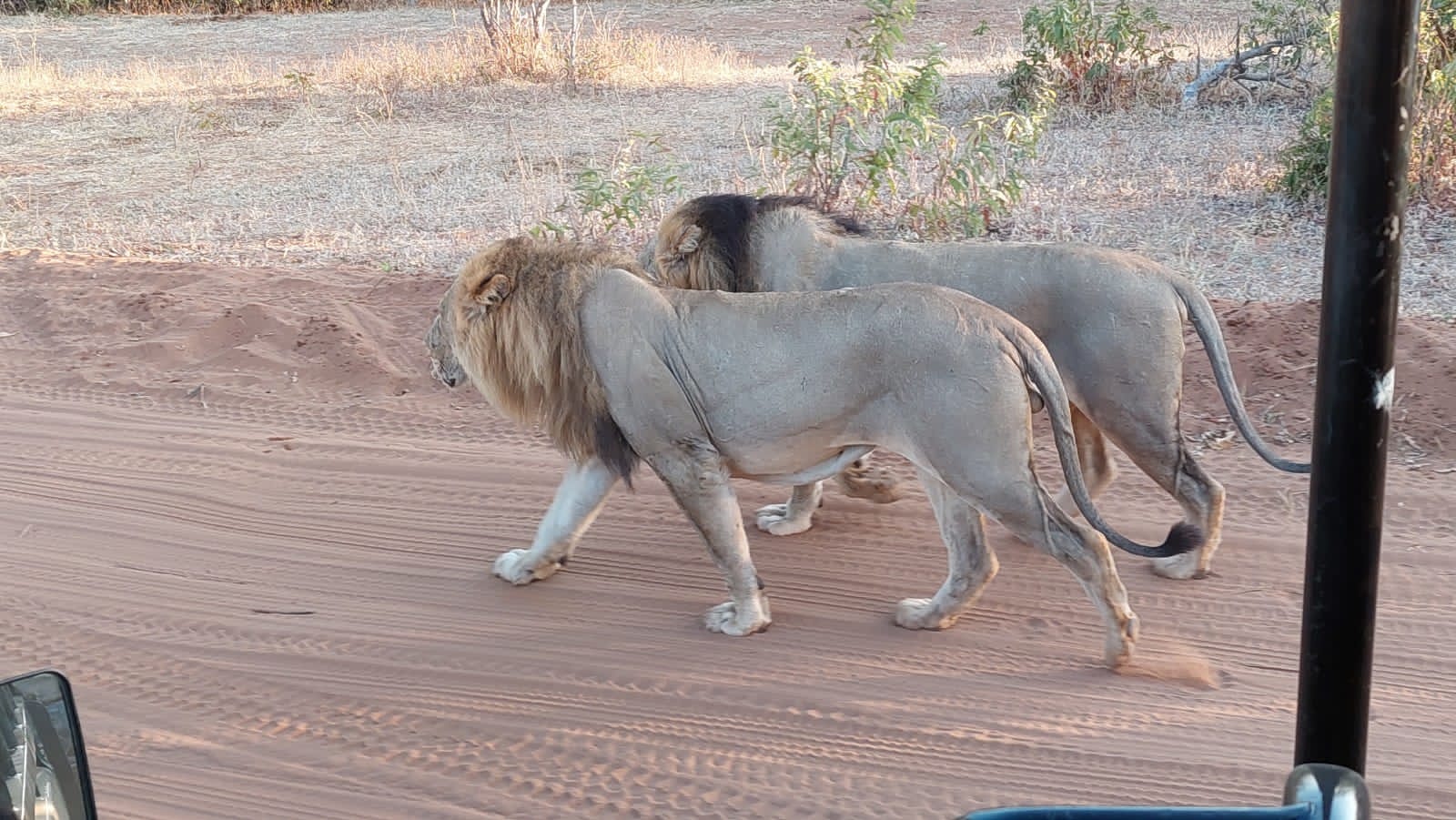
Chobe National Park in Botswana is one of Africa's premier wildlife destinations, home to the largest elephant population on the continent. You can expect to see African elephants, buffalo, lions, leopards, giraffes, zebras, antelopes, and numerous bird species. The park's diverse habitats—from riverine forests to savanna grasslands—support an incredible array of fauna. River cruises along the Chobe River are particularly rewarding for spotting elephants, hippos, and crocodiles during their evening drinking hours. Game drives with experienced guides significantly increase your chances of encountering predators and rare species.
Absolutely. Victoria Falls is one of the Seven Natural Wonders of the World and is genuinely awe-inspiring in person. Located on the border between Zimbabwe and Zambia, the waterfall spans over 1,700 meters and drops 108 meters, creating a thunderous roar and spectacular mist visible from miles away. The sheer scale and power of the falls—particularly during the rainy season when water flow is at its peak—create an unforgettable experience. Beyond viewing the falls themselves, the area offers adventure activities, cultural experiences, and serves as an excellent gateway to exploring the broader Southern African region, making it a must-see destination for most travelers.
The ideal time to visit depends on your priorities. For wildlife viewing in Chobe, the dry season (May to October) is best, as animals concentrate around water sources, making them easier to spot. July to September offers the most reliable predator sightings and comfortable temperatures. For Victoria Falls, the rainy season (November to March) produces the most dramatic water flow and misty spectacles, though the falls can be partially obscured by spray. April to June offers a good balance—substantial water flow with clearer views and pleasant weather. Consider that May to September is cooler and drier overall, making it the most popular (and busiest) period for safari tourism in the region.
Pack neutral-colored, breathable clothing in earth tones (khaki, brown, green) to blend in during game drives—avoid bright colors and white. Essentials include a wide-brimmed hat, high-SPF sunscreen, insect repellent, binoculars, and a camera with extra batteries. Bring layers for early morning and evening game drives, which can be cool even in warm seasons. Closed-toe hiking boots or sturdy shoes are important for walking safaris and uneven terrain. Don't forget personal medications, a basic first-aid kit, and any prescription glasses or contacts. A light rain jacket is useful year-round. Since bottled water is provided during game drives, you can travel light on water, but consider a reusable bottle for your accommodation. Check your destination's specific requirements for any additional items.
Visa requirements depend on your nationality and are subject to change, so it's essential to check current regulations with the official government websites or your nearest embassy before traveling. Many nationalities can obtain visas on arrival in Zimbabwe, though this can be time-consuming and unpredictable. Botswana typically offers visa-free entry or visas on arrival for most Western nationalities for tourism purposes. However, requirements vary significantly by country of origin. We strongly recommend obtaining any necessary visas before departure to avoid complications at the border. Allow at least 4-6 weeks before your trip to apply for visas if required. Your travel insurance provider may also have specific documentation requirements, so coordinate with them as well.
While a single day of safari can provide memorable wildlife encounters, 2-3 days in Chobe National Park is generally considered optimal for a meaningful experience. This duration allows you to participate in multiple game drives at different times of day—early morning and late afternoon/evening drives are when wildlife is most active. With 3 days, you can explore different areas of the park, increasing your chances of encountering diverse species and predators. A 3-day itinerary also provides flexibility if weather affects visibility or if you want to combine Chobe with other nearby attractions like Victoria Falls, creating a more well-rounded Southern African experience. Longer stays (5+ days) allow for deeper exploration and higher probability of rare sightings.
River cruises and game drives offer complementary wildlife viewing experiences. Game drives involve traveling in a 4x4 vehicle through savanna and bush terrain, allowing you to cover large distances and track animals across varied landscapes. This method is excellent for spotting predators, grazing herds, and birds in their natural habitats. River cruises, typically along the Chobe River, position you at water sources where animals congregate to drink, especially during evening hours. Cruises provide a unique vantage point and are particularly rewarding for viewing elephants, hippos, crocodiles, and water birds. Many travelers find that combining both methods—as done on a comprehensive safari itinerary—provides the most complete wildlife experience, as different animals and behaviors are best observed from different perspectives.
Most comprehensive safari packages include three daily meals—breakfast, lunch, and dinner—prepared at your accommodation or provided during game drives. Breakfast is typically served early before morning drives and includes options like eggs, fruits, cereals, and toast. Lunch may be a packed meal enjoyed in the field or at your lodge. Dinners are usually more substantial, featuring local and international cuisine. Bottled drinking water is typically provided throughout the day, especially during game drives, to keep you hydrated in the African heat. However, alcoholic beverages are often excluded from package inclusions and must be purchased separately. Coffee, tea, and soft drinks may or may not be included depending on the specific package terms. Always confirm meal inclusions and any dietary restrictions with your operator well in advance of your trip.
Safari costs vary significantly based on duration, accommodation quality, season, and operator. A budget 3-day safari combining Victoria Falls and Chobe typically ranges from $800 to $2,500 per person, depending on whether you choose basic lodge accommodations or more upscale options. Mid-range packages (the most popular choice) generally fall between $1,200 and $2,000 per person for 3 days, including accommodation, meals, and activities. Luxury safaris can exceed $3,000-$5,000+ per person daily. Off-season travel (November to April) is generally 20-30% cheaper than peak season (July-September). Your total cost will also include international flights, travel insurance, visa fees, tips, and optional activities—none of which are typically included in quoted package prices. Booking in advance and traveling during shoulder seasons can provide better value without significantly compromising your experience.
Vaccination requirements and recommendations depend on your medical history, current immunizations, and specific travel itinerary. Yellow fever vaccination is recommended for travel to Zimbabwe and Botswana, particularly if you're visiting Victoria Falls or Chobe. Malaria prophylaxis is strongly recommended for both destinations, as malaria is present year-round in these regions. Routine vaccinations (measles, mumps, rubella, tetanus, polio) should be current. Hepatitis A and typhoid vaccines are often recommended. Consult with a travel medicine clinic or your healthcare provider at least 4-6 weeks before departure to receive personalized recommendations based on your health status and specific itinerary. They can also prescribe appropriate malaria medications and provide guidance on other health precautions. Travel insurance that covers medical emergencies is highly advisable for peace of mind during your safari adventure.
 Africa Uncovered SafarisVictoria Falla, Zimbambwe
© 2026 SafariFind. All rights reserved.