4 daysprivate
4-Day Amboseli, Tsavo West, Tsavo East Safari
Highlights
- Big Five game drives
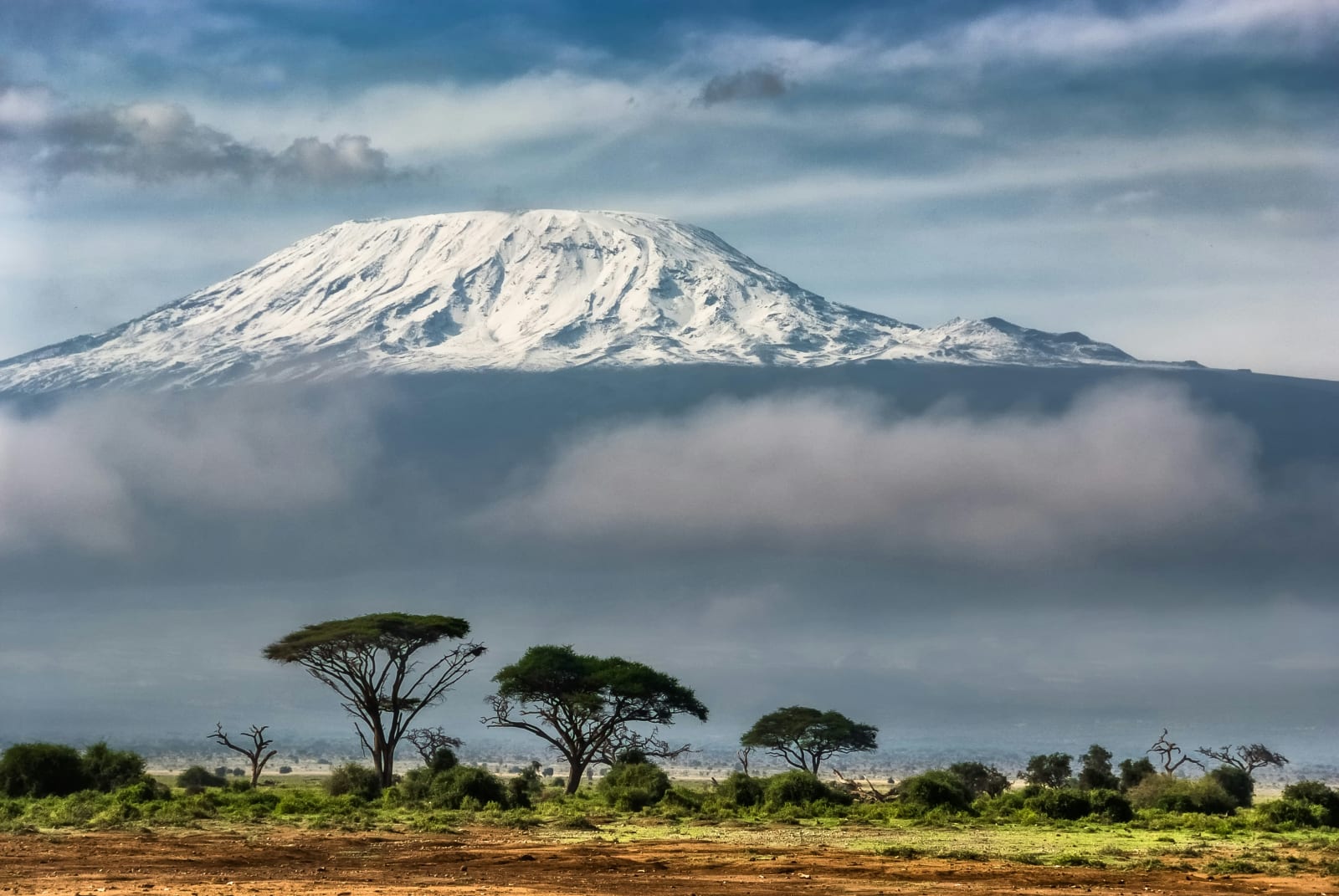
- Beautiful Views of Kilimanjaro
Loading SafariFind...
Nairobi-Amboseli National Park
Amboseli National Park
Meals: Lunch, Dinner
Amboseli-Tsavo West National Park
Tsavo West National Park
Meals: Breakfast, Lunch, Dinner
Tsavo West-Tsavo East National Park
Tsavo East National Park
Meals: Breakfast, Lunch, Dinner
Tsavo East-Nairobi
Nairobi
Meals: Breakfast
Year Round
Year-round
| Season | Solo traveler | 2 people | 3 – 4 people | 5 – 6 people | 7+ people | Child rate | Single suppl. |
|---|---|---|---|---|---|---|---|
Year Round Year-round | $2,280 | $1,520 | $1,370 | $1,290 | $1,210 | $1,060 | $460 |
Child rate applies to travelers under 12 years. Single supplement applies to solo travelers taking their own room.
Amboseli National Park is renowned for its exceptional wildlife viewing opportunities. You can expect to see large herds of African elephants, lions, leopards, cheetahs, zebras, and various antelope species including lesser kudus and dik-diks. The park is also home to crocodiles, mongooses, porcupines, and hyraxes. Amboseli boasts over 400 bird species, making it a paradise for birdwatchers. The park's diverse ecosystems—from swamps and marshes to plains and woodlands—support this incredible variety of wildlife.
The best time to visit Tsavo East and Tsavo West is during the dry seasons: June to October and January to February. During these periods, wildlife congregates around water sources, making game viewing more reliable and rewarding. The dry season also means easier road access and clearer skies for photography. The parks can be visited year-round, but the rainy seasons (April-May and November-December) may present challenging road conditions and reduced visibility, though wildlife is still present and the landscape is lush and green.
For a 4-day safari in Kenya, pack lightweight, neutral-colored clothing suitable for warm days and cool mornings and evenings. Bring long-sleeved shirts and pants for sun protection and insect defense. Essential items include a wide-brimmed hat, sunglasses, high-SPF sunscreen, and a good camera with extra batteries and memory cards. Pack binoculars for wildlife viewing, a light jacket or sweater for early morning game drives, comfortable walking shoes, and toiletries. Don't forget any prescribed medications, a basic first-aid kit, and a refillable water bottle. Neutral earth tones (khaki, tan, green) blend better with the landscape for photography.
Amboseli National Park is famous for having one of the largest concentrations of African elephants in Kenya. The park is home to several thousand elephants, and it's common to encounter large herds during game drives. Amboseli is particularly known for its research on elephant behavior and population dynamics. The park's swamps and water sources attract elephants year-round, providing excellent opportunities for close and frequent sightings. The backdrop of Mount Kilimanjaro with herds of elephants is one of Africa's most iconic safari experiences.
Visa requirements for Kenya depend on your nationality. Most visitors require a visa, which can be obtained on arrival at Jomo Kenyatta International Airport in Nairobi or through an online e-visa application before travel. The process is straightforward and typically takes a few minutes. It's advisable to check with the Kenyan immigration website or your nearest Kenyan embassy for specific requirements based on your country of origin. Ensure your passport is valid for at least six months beyond your travel dates. Visa fees are not included in safari packages and should be budgeted separately.
While specific vaccination requirements depend on your medical history and home country, yellow fever vaccination is commonly recommended for travel to Kenya, particularly if you're coming from certain regions. Malaria prophylaxis is typically advised, as malaria is present in the safari regions, especially at lower altitudes. Consult with a travel medicine clinic or your doctor at least 4-6 weeks before your trip for personalized recommendations. They may suggest vaccinations for diseases like typhoid, hepatitis A and B, and tetanus. Travel insurance that covers medical emergencies is highly recommended. Vaccination costs are not included in safari packages.
Tsavo East and Tsavo West are two distinct ecosystems within Kenya's largest national park complex. Tsavo West features more diverse landscapes including rocky ridges, volcanic terrain, woodlands, and the scenic Mzima Springs, with generally better wildlife concentration and easier access. Tsavo East is larger and more expansive, characterized by plains, grasslands, and sparser vegetation, offering a more remote and rugged safari experience. Tsavo West is known for its dramatic scenery and varied habitats, while Tsavo East is famous for its red soil, vast open spaces, and large populations of elephants and other wildlife. Both parks offer exceptional game viewing but provide distinctly different safari atmospheres.
Mount Kilimanjaro, Africa's tallest mountain at 5,895 meters (19,341 feet), is located just across the Tanzanian border and is clearly visible from Amboseli National Park on clear days. The mountain is approximately 40-50 kilometers away, creating a stunning backdrop for wildlife photography and game viewing. Amboseli's name actually means 'the place of dust' in the Maasai language, and the park's main attraction is the combination of exceptional elephant viewing with Kilimanjaro's snow-capped peaks in the background. The mountain is best photographed during the dry seasons when visibility is clearest.
Yes, malaria is present in Kenya's safari regions, particularly in the lower-altitude areas of Tsavo East, Tsavo West, and Amboseli. However, the risk varies by location, altitude, and season. Most safari lodges and camps are located in areas with moderate to lower malaria risk, and many take precautions such as screens and mosquito nets. It's strongly recommended to take malaria prophylaxis as prescribed by your doctor and use insect repellent, especially during dawn and dusk. Wearing long sleeves and pants in the evening also helps reduce mosquito bites. Consult a travel health professional before your trip for personalized malaria prevention advice.
A comprehensive Kenya safari package typically includes all national park entrance fees, professional English-speaking guide services, private 4x4 safari vehicle transportation, accommodation, all meals (breakfast, lunch, and dinner), airport transfers, and bottled water during game drives. Government taxes and VAT are usually included in the quoted price. However, items not typically included are international airfare, travel insurance, visa fees, tips and gratuities for guides and staff, optional activities beyond the itinerary, alcoholic beverages, travel vaccinations, and personal expenses. It's important to clarify exactly what's covered when booking to avoid unexpected costs during your safari.
© 2026 SafariFind. All rights reserved.
