 1 / 61 / 6
Loading SafariFind...
1 / 6Nairobi to Amboseli National Park
Amboseli National Park
Meals: Lunch, Dinner
Amboseli to Tsavo West National Park
Tsavo West National Park
Meals: Breakfast, Lunch, Dinner
Tsavo West to Tsavo East National Park
Tsavo East National Park
Meals: Breakfast, Lunch, Dinner
Tsavo East to Nairobi
Nairobi
Meals: Breakfast
Year Round
Year-round
| Season | Solo traveler | 2 people | 3 – 4 people | 5 – 6 people | 7+ people | Child rate |
|---|---|---|---|---|---|---|
Year Round Year-round | $2,020 | $1,360 | $1,190 | $1,010 | $940 | $1,160 |
Child rate applies to travelers under 12 years.
Amboseli National Park is world-renowned for its large elephant populations, and you'll have excellent opportunities to see these magnificent animals up close. Beyond elephants, Amboseli is home to lions, leopards, buffalo, giraffes, zebras, wildebeest, and numerous bird species. The park's diverse habitats—from swamps to acacia woodlands—support a wide range of wildlife. One of the unique aspects of Amboseli is that many animals gather around the seasonal swamps, making game viewing particularly rewarding, especially during the dry seasons.
The best time for safari in southern Kenya is during the dry seasons: June to October (long dry season) and January to February (short dry season). During these periods, vegetation is sparse, making wildlife easier to spot, and animals congregate around water sources. The dry season also offers the most comfortable weather for game drives. However, the wet seasons (November to December and March to May) can be rewarding too, with lush landscapes and fewer tourists, though some roads may be more challenging to navigate.
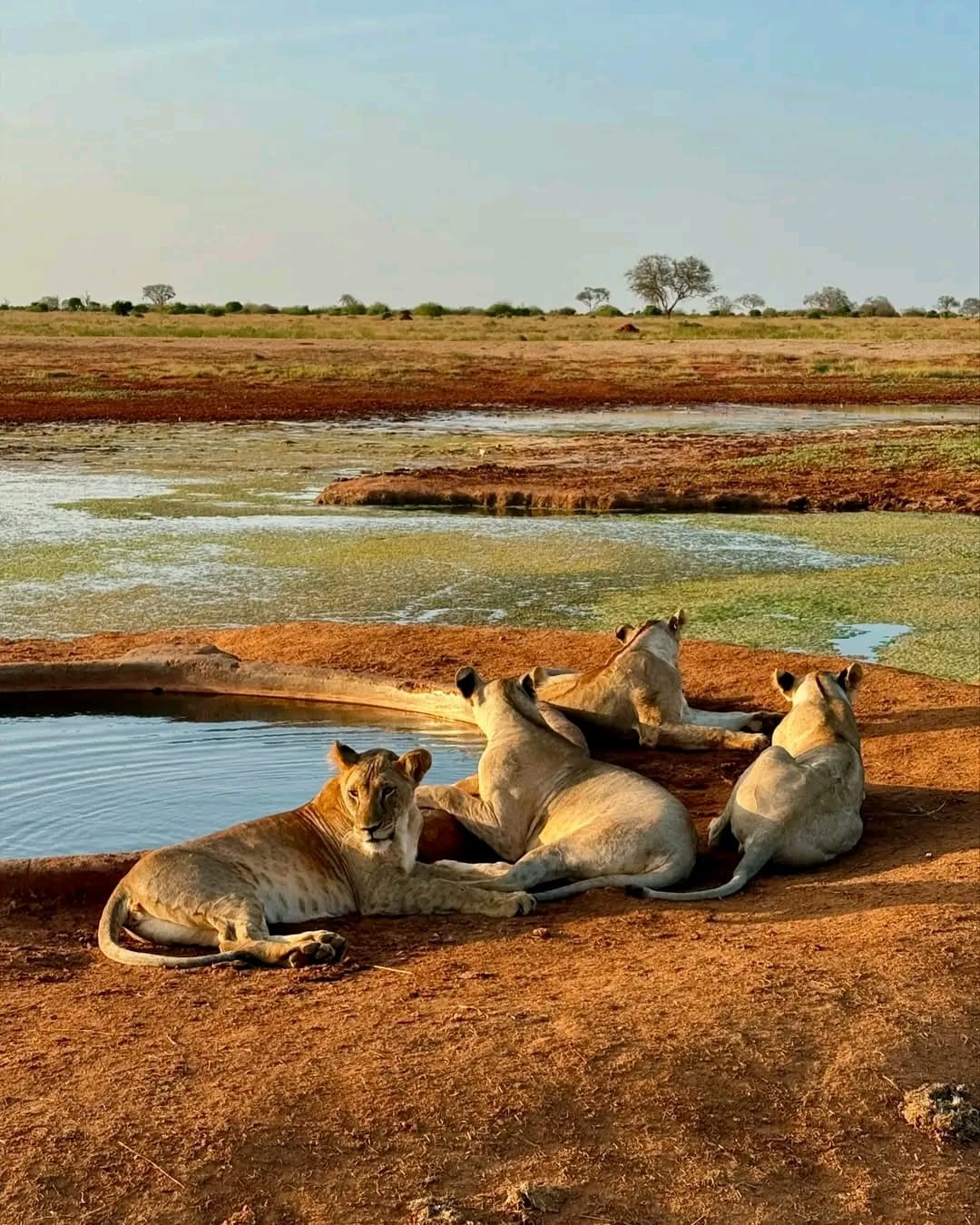
Tsavo East and Tsavo West are two distinct ecosystems within Kenya's largest national park. Tsavo West features scenic volcanic landscapes, natural springs (like Mzima Springs), and more varied terrain with rocky outcrops and dense vegetation, making it excellent for diverse wildlife viewing and photography. Tsavo East is larger, with vast open plains and semi-arid landscapes, and is famous for its distinctive red elephants—so named because they dust themselves in the red volcanic soil. Tsavo East offers expansive vistas and excellent opportunities to see large herds. Together, they provide contrasting safari experiences within one region.
A 4-day safari is an ideal duration for exploring multiple parks and getting a comprehensive wildlife experience. This timeframe allows you to spend meaningful time in each destination, increasing your chances of wildlife encounters while minimizing travel fatigue. A 4-day itinerary typically includes 3 nights of accommodation and multiple game drives, providing sufficient time to appreciate the landscapes and observe animal behavior. While shorter safaris (2-3 days) are possible, longer safaris (5-7+ days) allow for even deeper exploration and greater wildlife viewing opportunities.
Pack neutral-colored, breathable clothing in earth tones (khaki, tan, green, brown) to blend in with the environment and avoid disturbing wildlife. Bring lightweight layers for early morning and evening game drives when temperatures drop. Essential items include a wide-brimmed hat, sunglasses, high-SPF sunscreen, insect repellent, and comfortable walking shoes. Don't forget binoculars, a camera with a good zoom lens, and any personal medications. Bring a light rain jacket even during dry seasons, as weather can be unpredictable. A small backpack is useful for carrying items during game drives, and consider a headlamp or flashlight for evening activities.
Visa requirements for Kenya depend on your nationality. Many countries' citizens can obtain a visa on arrival or apply for an e-visa online before travel, while others may have visa-free entry for short stays. It's essential to check the current requirements with the Kenyan immigration authority or your nearest Kenyan embassy well in advance of your trip, as regulations can change. You'll also need a passport valid for at least six months beyond your travel dates. Additionally, consult your healthcare provider about recommended vaccinations, as yellow fever vaccination may be required or recommended depending on your origin country.
A comprehensive safari package typically includes accommodation at safari lodges or camps, all national park entrance fees, transportation in a dedicated 4x4 safari vehicle, and guided game drives with an experienced driver-guide. Most packages provide meals and drinking water during activities. Professional English-speaking guides are standard, offering expertise in wildlife identification and behavior. Some packages may exclude international flights, visas, tips and gratuities, travel insurance, and personal expenses. Always review the specific inclusions and exclusions of your chosen package to understand what is covered and plan accordingly for additional costs.
Wildlife viewing distances are regulated to protect both animals and visitors. Game drive vehicles typically maintain a safe distance of at least 20-25 meters from most animals, though this varies by species and animal behavior. Elephants, lions, and buffalo require greater distances for safety reasons. Your experienced driver-guide will position the vehicle to provide excellent viewing and photography opportunities while respecting wildlife boundaries and park regulations. The key to close encounters is patience and early morning or late afternoon drives when animals are most active. Professional guides are skilled at finding wildlife and maneuvering for optimal viewing angles without disturbing animals.
While a 4-day safari provides good opportunities to encounter the Big Five (lion, leopard, elephant, buffalo, and rhinoceros), spotting all five is never guaranteed—wildlife viewing depends on animal movements, seasonal patterns, and luck. However, southern Kenya's parks are excellent for Big Five sightings. Amboseli is particularly renowned for elephant viewing, and Tsavo regions host lions, buffalo, and leopards. Rhinoceros sightings are less common but possible. Your experienced guide will maximize your chances by knowing where animals are typically found and planning game drives strategically. Many visitors successfully see 4 of the 5 on a 4-day safari, making it a worthwhile timeframe for this classic African experience.
The red elephants of Tsavo East are not a different species—they're African elephants that appear reddish-brown due to their habit of dusting themselves with the red volcanic soil found throughout the region. This behavior serves multiple purposes: it provides sun protection, helps regulate body temperature, and offers some protection from insects and parasites. The red dust also creates a distinctive appearance that makes Tsavo elephants visually unique compared to elephants in other regions. This fascinating adaptation to their specific environment is one of the reasons Tsavo East is such a compelling safari destination, offering visitors a chance to observe these distinctive animals in their natural habitat.
 Sanaya Tours and SafarisNairobi, Kenya5.0(4 reviews)
© 2026 SafariFind. All rights reserved.