 1 / 41 / 4
Loading SafariFind...
1 / 4Arrival in Bale Mountains – Dinsho Headquarters
Bale Mountains
Meals: Dinner
Goba – Sanetti Plateau – Afro-Alpine Landscapes
Bale Mountains
Meals: Breakfast, Lunch, Dinner
Goba – Harenna Forest – Wildlife & Waterfalls
Bale Mountains
Meals: Breakfast, Lunch, Dinner
Bale Mountains – Addis Ababa | Departure
Addis Ababa
Meals: Breakfast
Year Round
Year-round
| Season | 2 people |
|---|---|
Year Round Year-round | $1,640 |
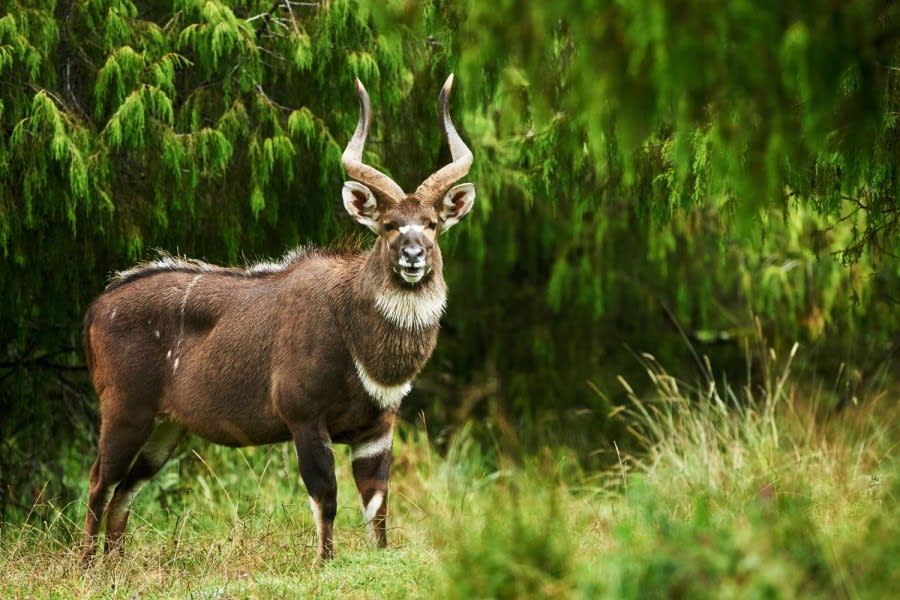
The Bale Mountains are home to some of Africa's rarest and most unique wildlife found nowhere else on Earth. The most iconic species is the Ethiopian wolf, Africa's rarest carnivore, which is critically endangered with only a few hundred individuals remaining in the wild. You'll also encounter mountain nyala, a large antelope species endemic to the Ethiopian highlands, and walia ibex, a wild goat species adapted to the steep mountain terrain. The region is also a birdwatcher's paradise, with numerous endemic bird species thriving in the Afro-alpine ecosystem. Wildlife sightings depend on seasonal patterns and specific locations within the mountains, but experienced guides are skilled at tracking these endemic species to maximize your viewing opportunities.
The Bale Mountains rise above 4,000 meters (13,000+ feet), making them one of Africa's highest mountain ranges. At this elevation, altitude acclimatization is important for most visitors. While the 4-day safari experience is designed to accommodate various fitness levels, a moderate level of physical fitness is recommended to fully enjoy the exploration. The itinerary balances trekking through moorland with wildlife observation and scenic viewing from accessible vantage points, so you don't need to be an experienced mountaineer. However, visitors should be prepared for the effects of high altitude, including potentially thinner air and cooler temperatures. If you have concerns about altitude or fitness, it's best to consult with your guide before the trip to plan activities that suit your capabilities.
The optimal seasons for visiting the Bale Mountains are October to November and February to March. During these periods, you'll experience the clearest skies, best visibility for wildlife viewing, and most comfortable weather conditions. October and November offer excellent conditions as the dry season begins, while February and March provide similar advantages as the dry season continues into early spring. That said, the Bale Mountains are accessible year-round, and each season offers unique advantages—the rainy seasons bring lush vegetation and different wildlife activity patterns. If you're specifically interested in maximizing wildlife sightings and photography opportunities, the dry seasons are ideal, but timing your visit should also consider your personal schedule and preferences.
The Bale Mountains remain one of Africa's least-visited safari destinations, offering genuine solitude and authentic wilderness adventure. This is genuinely remote travel—you'll be venturing far beyond typical tourist circuits into pristine alpine ecosystems with limited infrastructure. The experience is designed as mid-range luxury, meaning you'll stay in comfortable lodges and have professional guidance, but expect authentic, off-the-beaten-path exploration rather than heavily developed resort facilities. The remoteness is actually a key appeal of this destination, as it allows for intimate wildlife encounters and peaceful immersion in the natural landscape. If you prefer well-trodden safari routes with extensive amenities, this may not be ideal; however, if you're seeking genuine wilderness adventure with comfort and expert guidance, the remoteness is part of what makes this experience truly special.
Packing for the Bale Mountains requires preparation for high-altitude conditions and variable weather. Bring warm, layered clothing as temperatures drop significantly at 4,000+ meters elevation—include a fleece jacket, waterproof outer layer, and warm hat and gloves. Comfortable hiking boots are essential for trekking through moorland terrain. Sun protection is critical at high altitude, so pack high-SPF sunscreen, sunglasses, and a wide-brimmed hat. Bring a reusable water bottle (bottled water is provided during game drives, but staying hydrated at altitude is important). A camera with extra batteries is recommended for wildlife photography. Personal medications, any altitude sickness remedies you prefer, and a small first-aid kit are wise additions. Binoculars enhance bird watching and wildlife viewing. Avoid heavy luggage—a medium-sized backpack is ideal. Check with your operator for specific recommendations based on the exact season of your visit.
While travel insurance is not included in most safari packages, it is highly recommended for any international travel, particularly to remote destinations like the Bale Mountains. Comprehensive travel insurance should cover medical emergencies (especially important at high altitude), trip cancellation, lost luggage, and evacuation if needed. Given the remote nature of the Bale Mountains and limited medical facilities in the region, evacuation insurance is particularly valuable. Your insurance should cover activities like trekking at altitude. Before purchasing, review policy details to ensure they cover your specific itinerary, altitude range, and any pre-existing conditions. It's advisable to arrange insurance before your trip begins. Check with your travel operator for any specific recommendations or partnerships they may have with insurance providers familiar with Ethiopian safari travel.
Vaccination requirements and recommendations for Ethiopia vary depending on your home country and medical history. Generally, health authorities recommend vaccinations for yellow fever, typhoid, and routine immunizations before traveling to Ethiopia. Malaria prophylaxis may be recommended depending on which regions you're visiting and the season—the Bale Mountains at high altitude have lower malaria risk than lowland areas, but your doctor should assess your specific situation. It's essential to consult with a travel medicine clinic or your healthcare provider at least 4-6 weeks before your trip to receive personalized medical advice based on current health recommendations. They can review your vaccination history and provide guidance on malaria prevention if needed. Additionally, ensure your routine vaccinations (measles, tetanus, etc.) are current. Travel insurance typically requires proof of certain vaccinations, so check those requirements as well.
A typical Bale Mountains safari package includes comprehensive support for your on-the-ground experience: all national park entrance fees, accommodation as per the itinerary, three meals daily (breakfast, lunch, and dinner), private 4x4 safari vehicle transportation, a professional English-speaking guide, bottled water during game drives, airport transfers, and government taxes and VAT. This means your meals, lodging, wildlife viewing, and ground transportation are covered. However, several costs are typically not included: international airfare to Ethiopia, visa fees, personal expenses like souvenirs or phone calls, tips and gratuities for guides and staff, travel insurance, optional activities beyond the core itinerary, alcoholic beverages, and travel vaccinations. Before booking, clarify exactly what's covered with your operator, as inclusions can vary. Budget separately for these exclusions, particularly international flights and travel insurance, which represent significant expenses. Tips for guides and staff are customary and should be factored into your budget.
A 4-day safari is a solid foundation for experiencing the Bale Mountains' key highlights, allowing three full days of exploration after your arrival. This timeframe permits a good balance of wildlife tracking, trekking through diverse ecosystems, cultural immersion with highland communities, and scenic exploration without feeling rushed. Four days gives your body time to acclimatize to the 4,000+ meter elevation while still maintaining energy for activities. If you have more time available, extending to 5-7 days allows for deeper exploration of different areas within the mountains, increased chances of wildlife encounters, and more leisurely pacing at altitude. However, if time is limited, 4 days provides a meaningful introduction to this remote wilderness. Consider your fitness level and altitude tolerance when deciding on duration—some travelers prefer longer trips at high altitude to allow fuller acclimatization and more relaxed activity schedules.
The Bale Mountains are accessed from Addis Ababa, Ethiopia's capital, which is the main international gateway. Airport transfers are typically included in safari packages, meaning you'll be picked up from Addis Ababa airport and transported to the mountains. The journey from Addis Ababa to the Bale Mountains takes approximately 6-8 hours by road, depending on specific road conditions and your final destination within the mountains. You'll travel through diverse Ethiopian landscapes, transitioning from the capital's urban environment through rural highlands to the dramatic alpine terrain of the Bale Mountains. The drive itself offers cultural and scenic interest as you pass through traditional highland communities. Most packages include this transfer in the itinerary, so you won't need to arrange separate transportation. It's advisable to arrive in Addis Ababa with enough time to rest before your mountain transfer, as the drive is long and you'll immediately be at high altitude upon arrival.
© 2026 SafariFind. All rights reserved.
